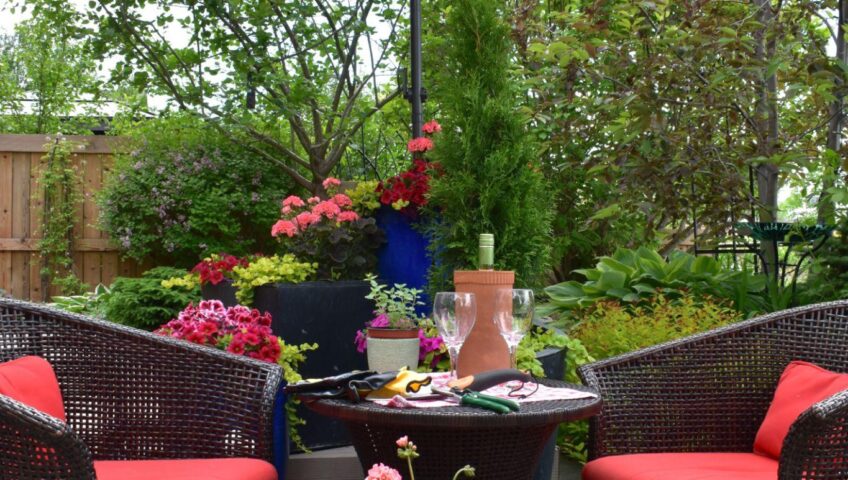
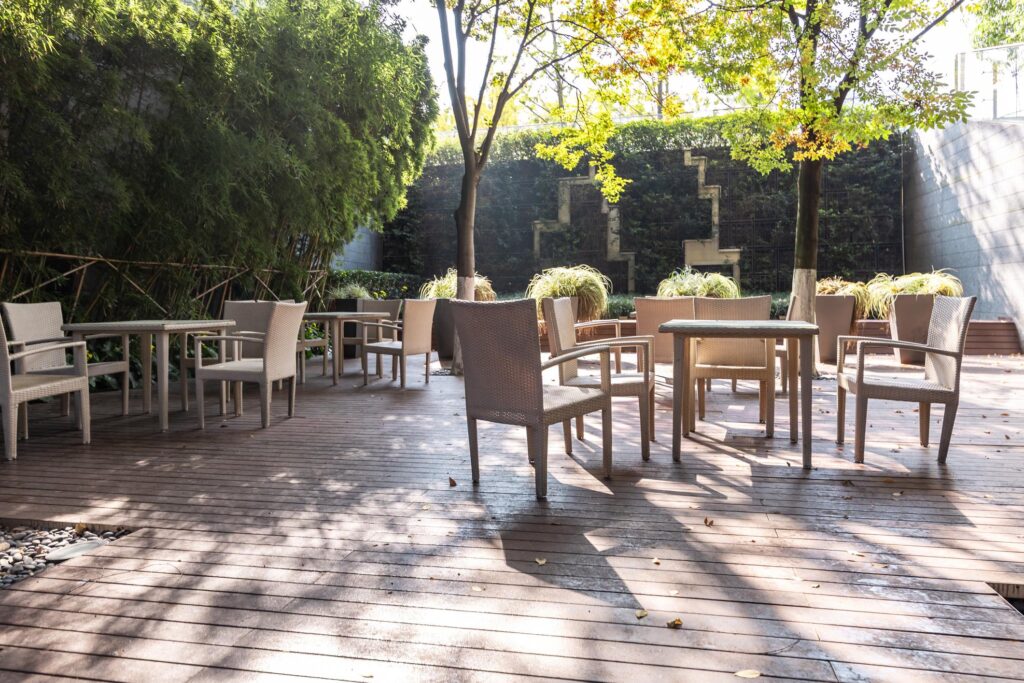
Creating shade in your backyard improves comfort, protects surfaces, and extends how you use your space. Direct sun raises temperatures fast and limits when you can sit, cook, or entertain. A few well-chosen shade features fix this and add structure to your yard.
Start with trees. They give the most natural coverage and reduce heat over a wide area. Place shade trees on the south or west side of patios and seating zones. Fast-growing options like maple or hybrid poplar give quick results. Native species adapt better and need less care. Plan for mature size so roots and canopy fit the space.
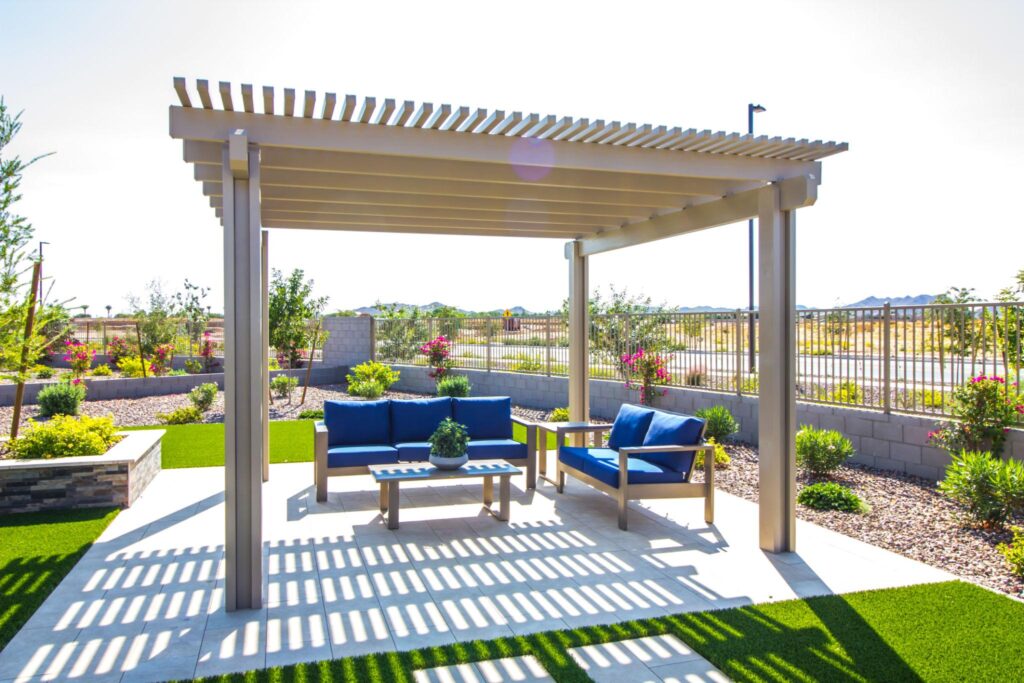
Add built structures where you need immediate shade. Pergolas define a space and cut direct sun while keeping airflow. You can train climbing plants like wisteria or grape for added cover. A solid roof structure gives full protection and works well over outdoor kitchens and dining areas. Place posts outside main traffic paths to keep the layout clean.
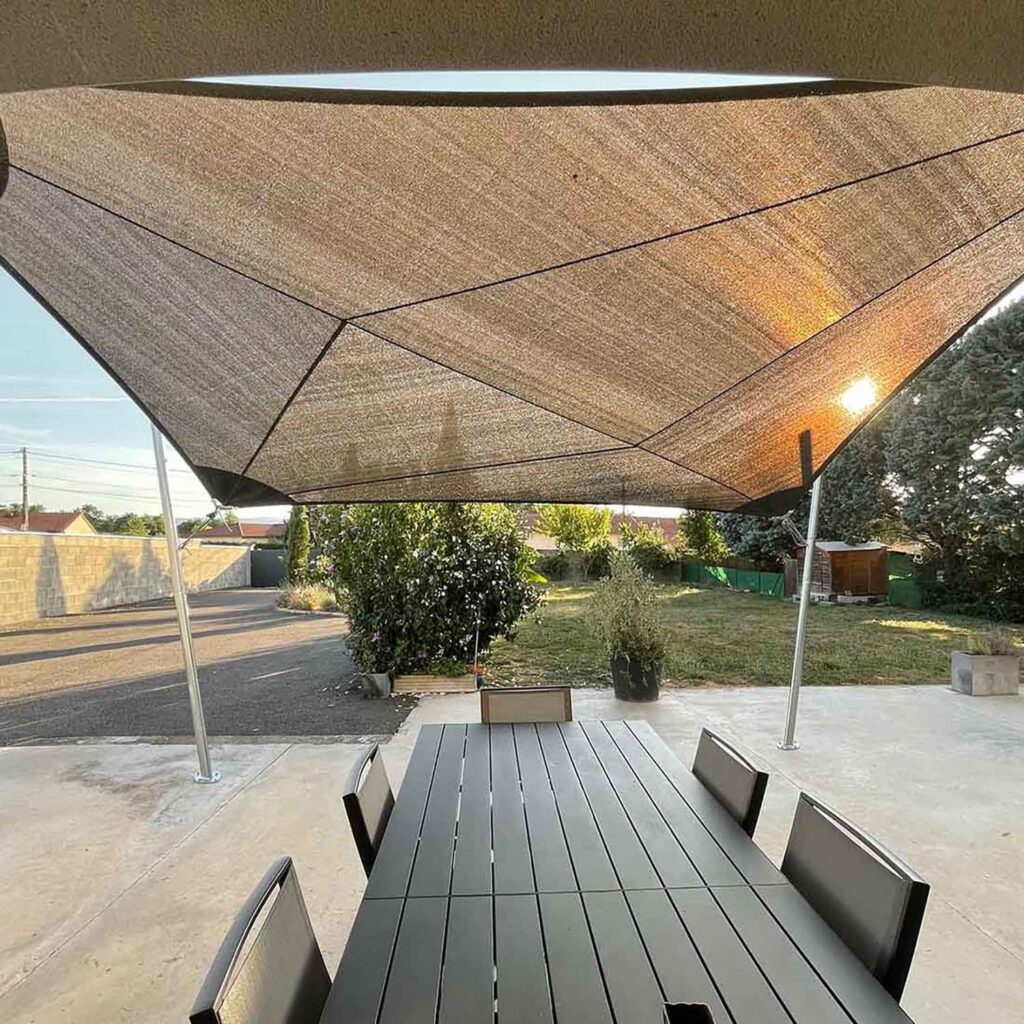
Use flexible options for control. Shade sails stretch between anchor points and cover irregular areas. They install fast and cost less than permanent builds. Large patio umbrellas work for smaller zones and move with the sun. Retractable awnings attach to the house and extend when needed, then retract to bring light back in.
Combine methods for best results. Trees cool the area overall, while structures target specific zones. Light-colored materials reflect heat and keep surfaces cooler. Permeable pavers and ground cover reduce heat buildup compared to dark, solid surfaces.
Plan drainage and maintenance from the start. Shade increases moisture retention, so ensure water flows away from foundations and seating areas. Choose durable fabrics and hardware rated for wind. Trim trees to maintain clearance and healthy growth.
A shaded backyard stays usable through more of the day and across more of the season. You gain a cooler, more functional space without major changes to your home.