Landscape Maintenance & Design
22 May 2026

Here’s How to Prepare Your Irrigation System for the Summer!

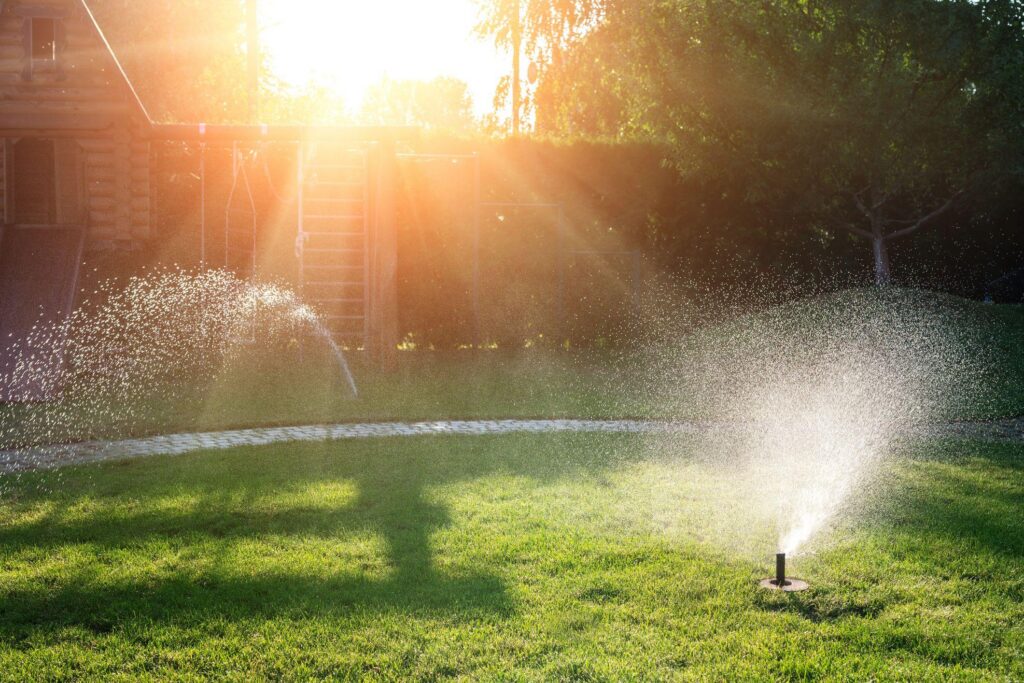
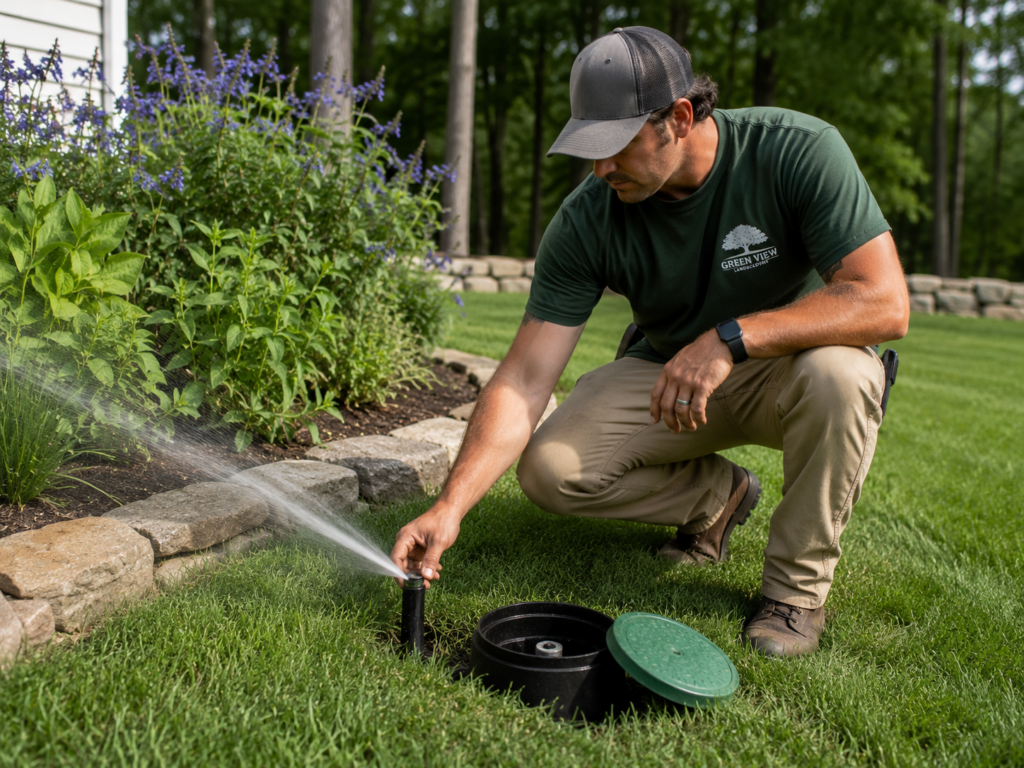
Getting your irrigation system ready before summer starts is one of the best ways to keep your lawn healthy while avoiding wasted water and expensive repairs. After a long New Hampshire winter, sprinkler systems can develop small leaks, cracked heads, or pressure issues that are easy to miss at first. Taking the time to inspect your system early helps prevent dry spots, overwatering, and higher water bills once the hotter weather arrives. According to the EPA and water conservation studies, as much as 50% of outdoor irrigation water is wasted due to leaks, broken sprinkler heads, overwatering, and poor system maintenance. Let’s avoid these issues!


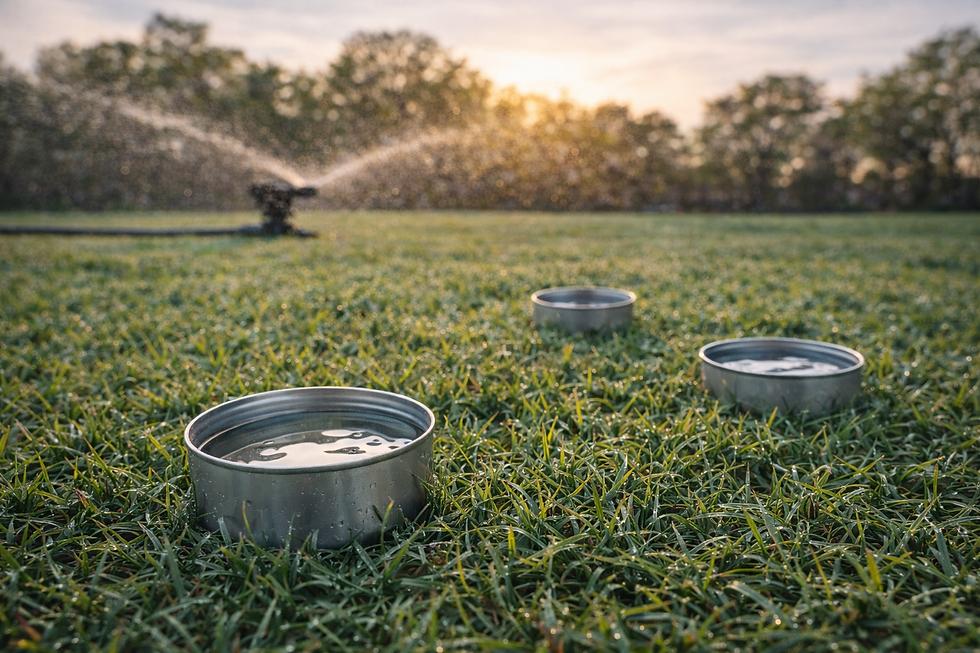
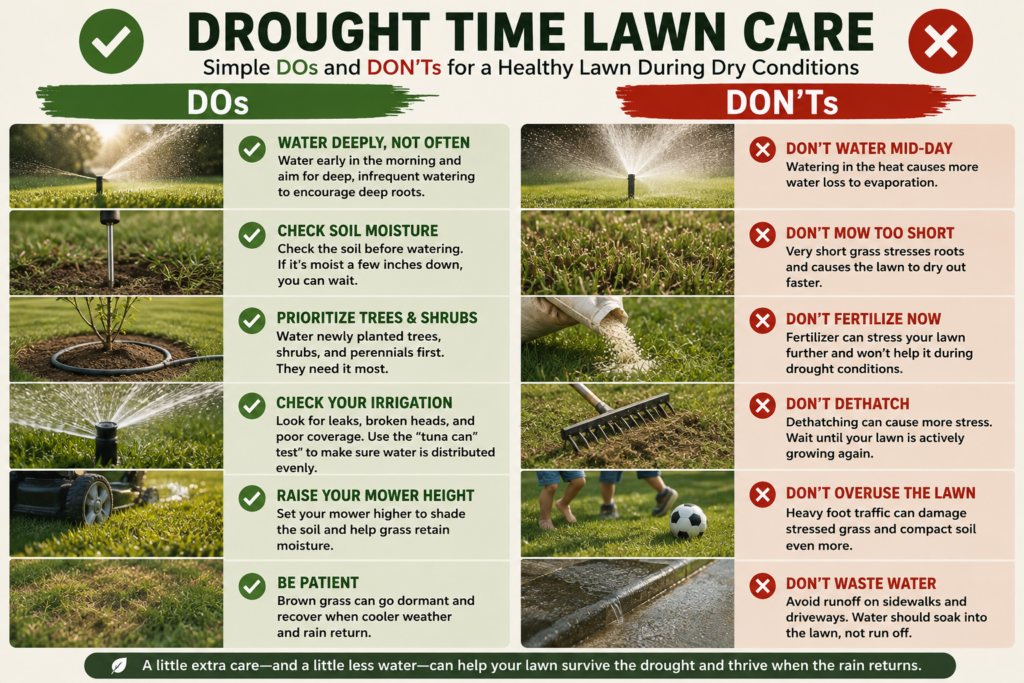
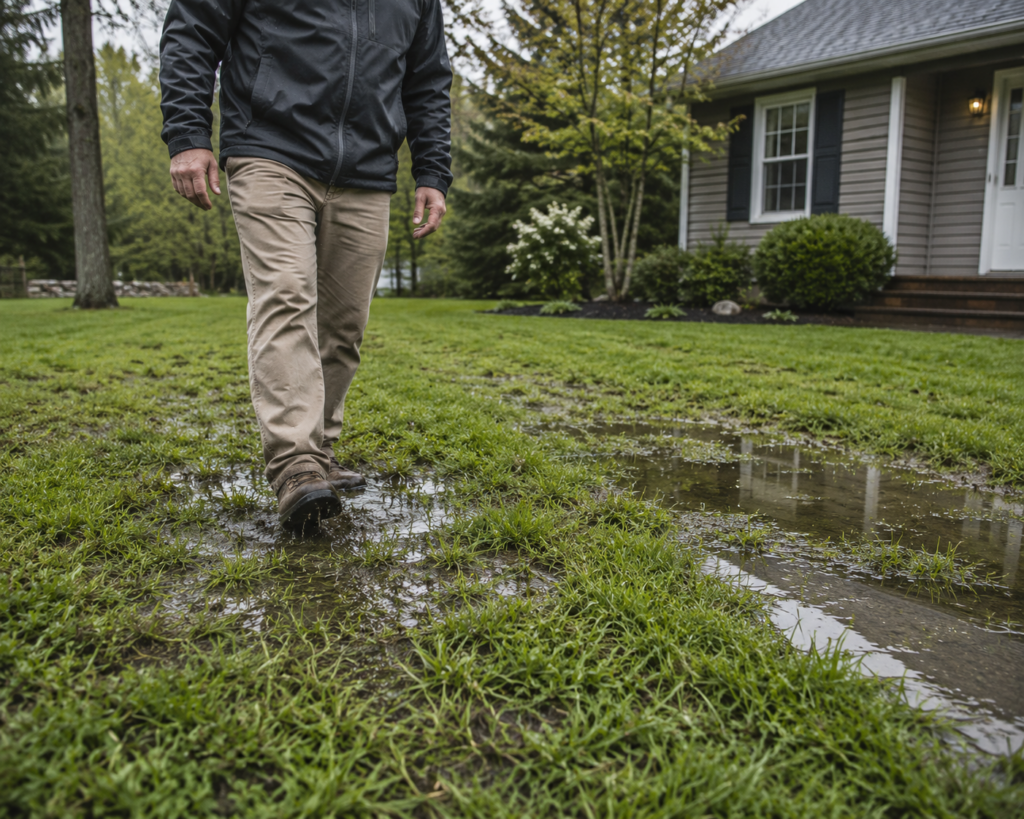
Start by running each irrigation zone one at a time and watching how the system performs. Look for sprinkler heads spraying sidewalks, leaking valves, uneven coverage, or heads that do not pop up correctly. One easy trick is to place a few empty tuna cans or small containers around the lawn while the system runs. If some containers fill much faster than others, your coverage may need adjustment. This simple test helps beginners quickly spot watering problems like a professional.


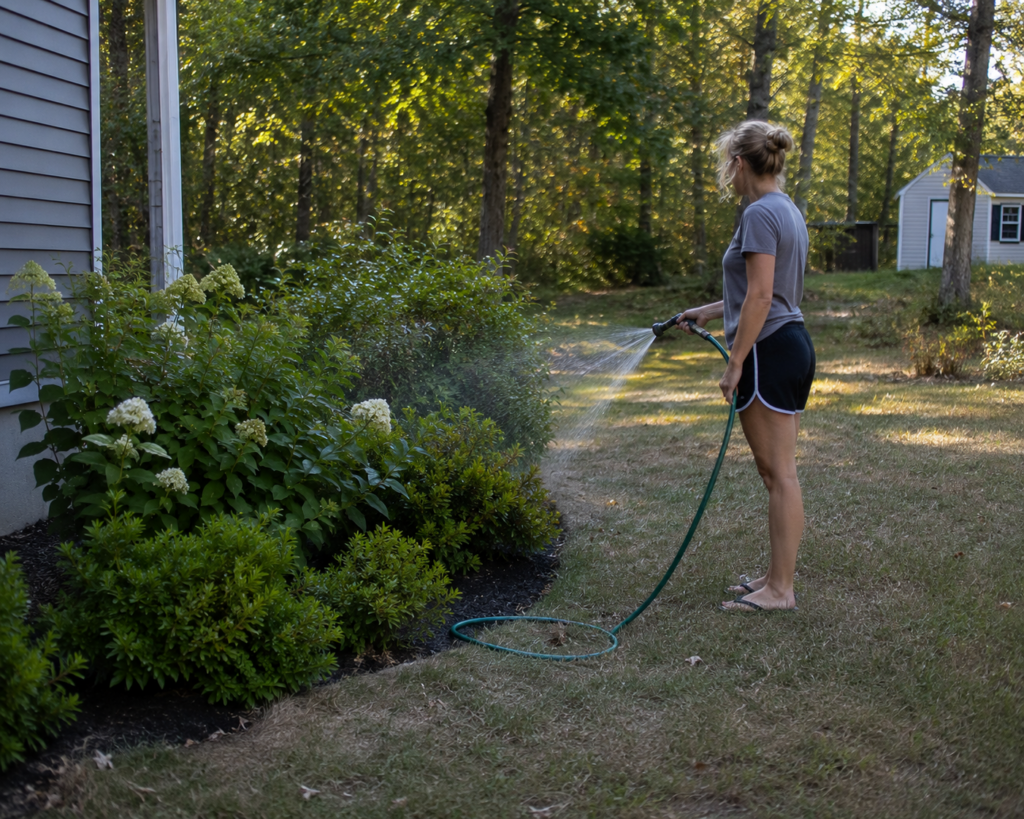
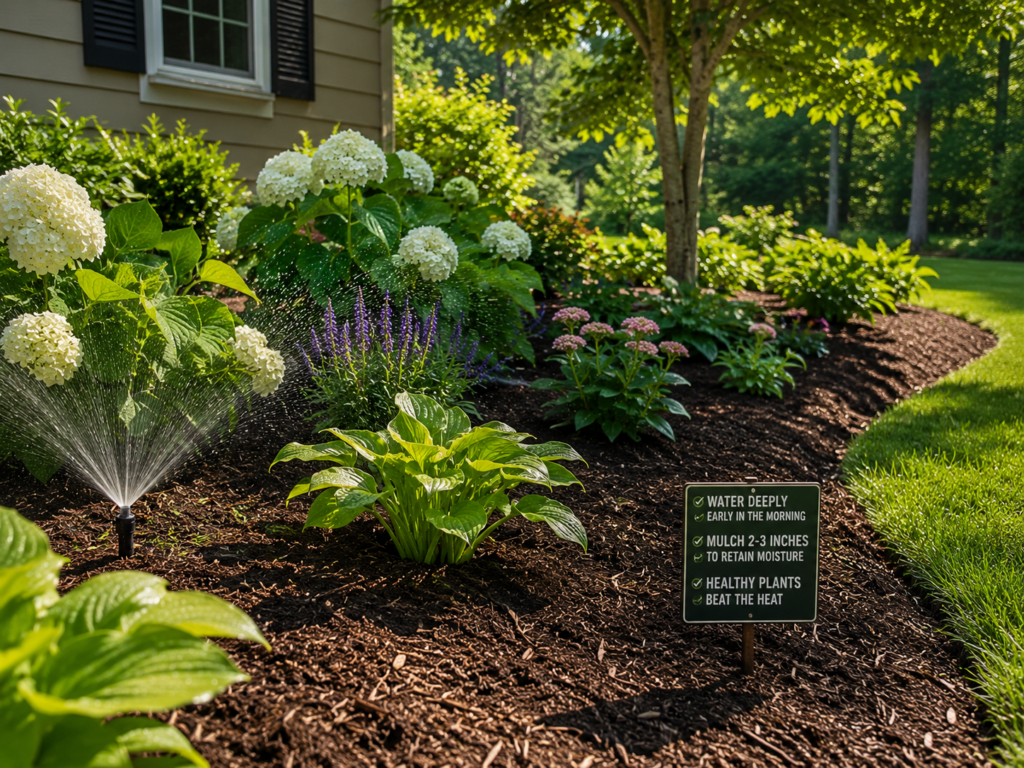
Another important step is checking your watering schedule. Many homeowners water too often, which can weaken grass roots and create fungus problems during humid summer weather. Lawns usually respond better to deeper watering a few times per week instead of light daily watering. In New Hampshire summers, watering at night can actually increase the chance of fungal lawn diseases because moisture sits on the grass blades for hours without drying in the morning sun. Early morning is also the best time to run an irrigation system because less water evaporates and the lawn has time to dry before nightfall.


Do not forget to inspect your planting beds and drip irrigation lines as well. Mulch can shift over time and cover emitters or sprinkler heads without homeowners realizing it. Make sure water is reaching shrubs, flowers, and garden areas evenly. A helpful tip is to clean sprinkler nozzles and filters at the start of the season. Dirt and debris can build up over time and reduce performance without being obvious from a distance.


A well maintained irrigation system keeps your landscape healthier, improves water efficiency, and saves money throughout the summer. Most problems are small and easy to fix when caught early. With a simple inspection, a few adjustments, and smarter watering habits, even beginners can keep their irrigation system running like a pro all season long.


For more information about preparing your yard for the summer, refer to some of our other posts about springtime maintenance! Also, check out these Low Water Landscaping Tips to help optimize both your Irrigation System, and the DIY watering of your Lawn and Garden!

14 May 2026

Common Landscaping Mistakes to Avoid

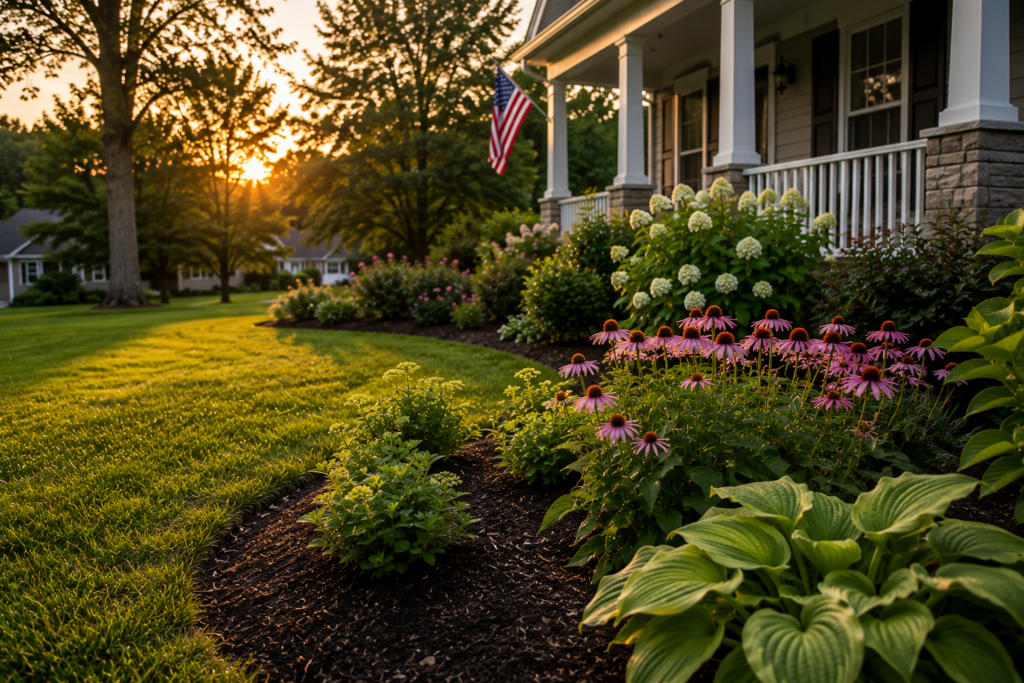
Many homeowners want a beautiful yard, but landscaping can become overwhelming without the right knowledge. In fact, a recent survey found that 25% of Americans lack confidence in their ability to properly maintain their lawns and landscaping. Here are a few “Do’s and Dont’s” to help you develop the Lawn and Garden of your DREAMS!


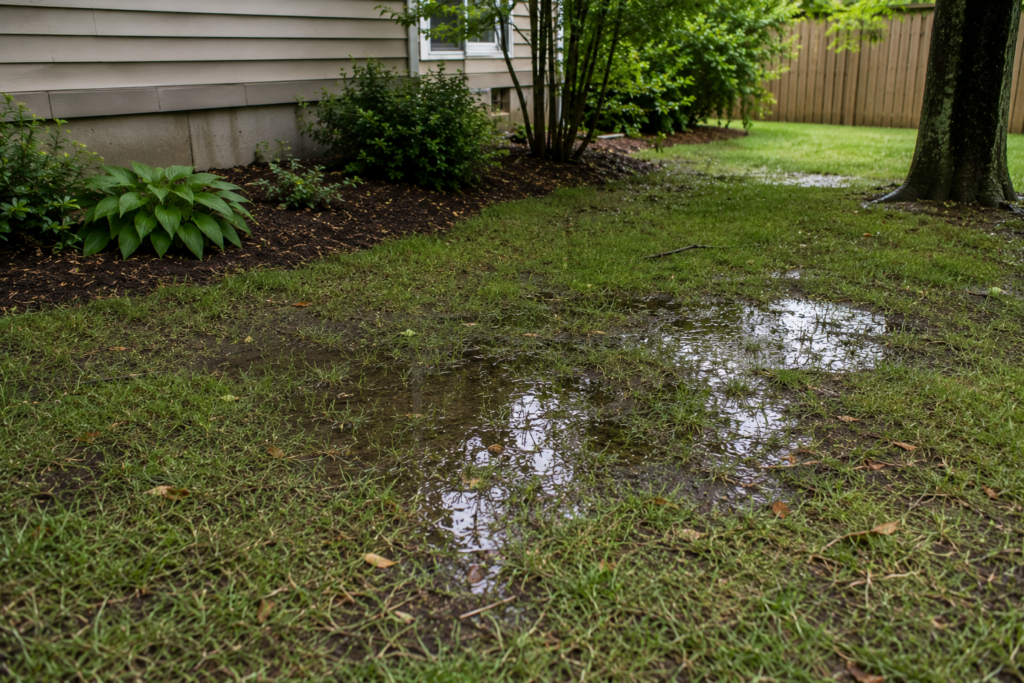
Landscaping can completely change the look of a home, but a few common mistakes can make yards harder to maintain and more expensive over time. One of the biggest issues we see is overwatering. Many homeowners assume more water means a healthier lawn, but too much water can weaken roots and create disease problems. Most lawns do better with deeper watering a few times a week instead of daily watering.


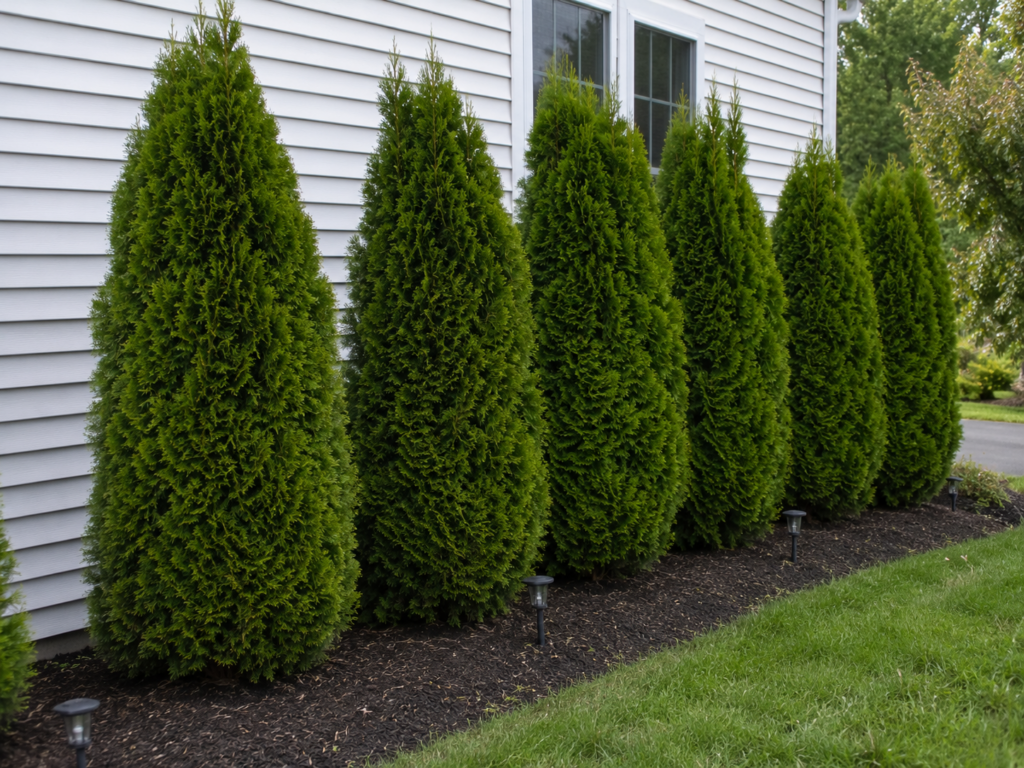
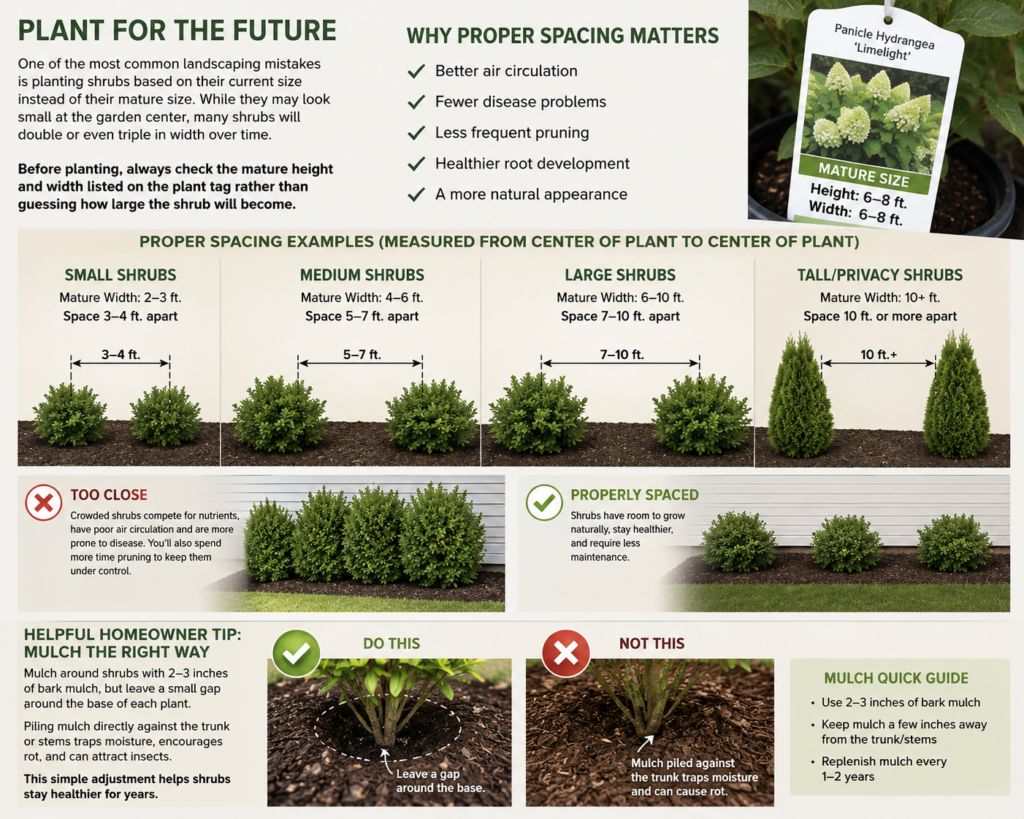
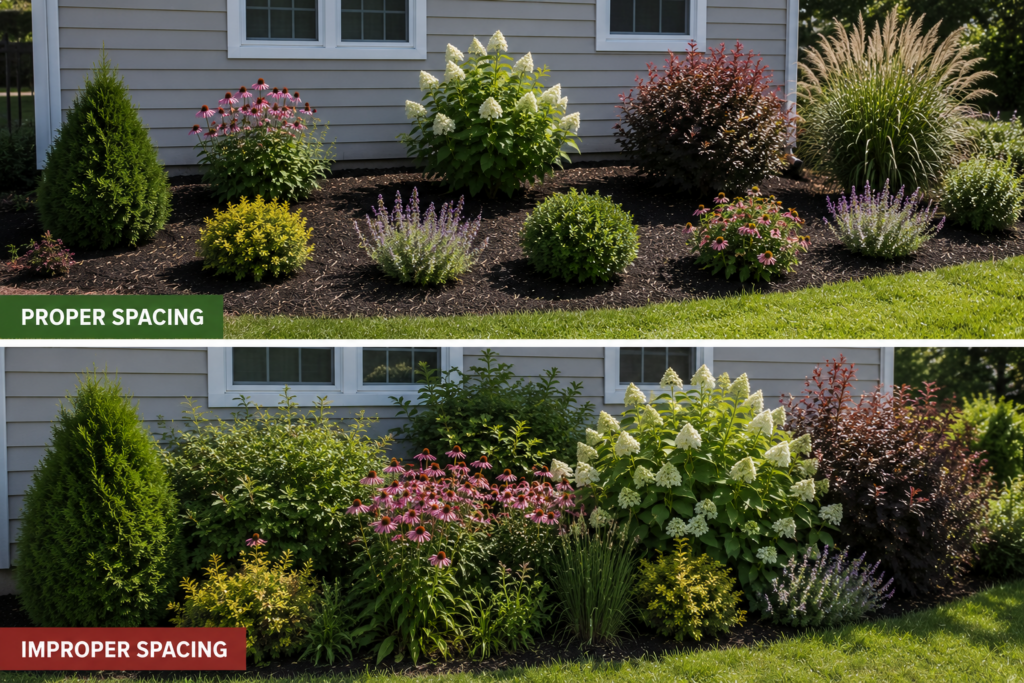
Plant placement is another mistake that causes problems later on. Trees and shrubs are often planted based on how they look the day they go in the ground, not how large they will become in a few years. Overgrown plants can crowd walkways, block windows, and take over planting beds. Choosing the right plants for the space helps keep the landscape looking clean and balanced with less maintenance.


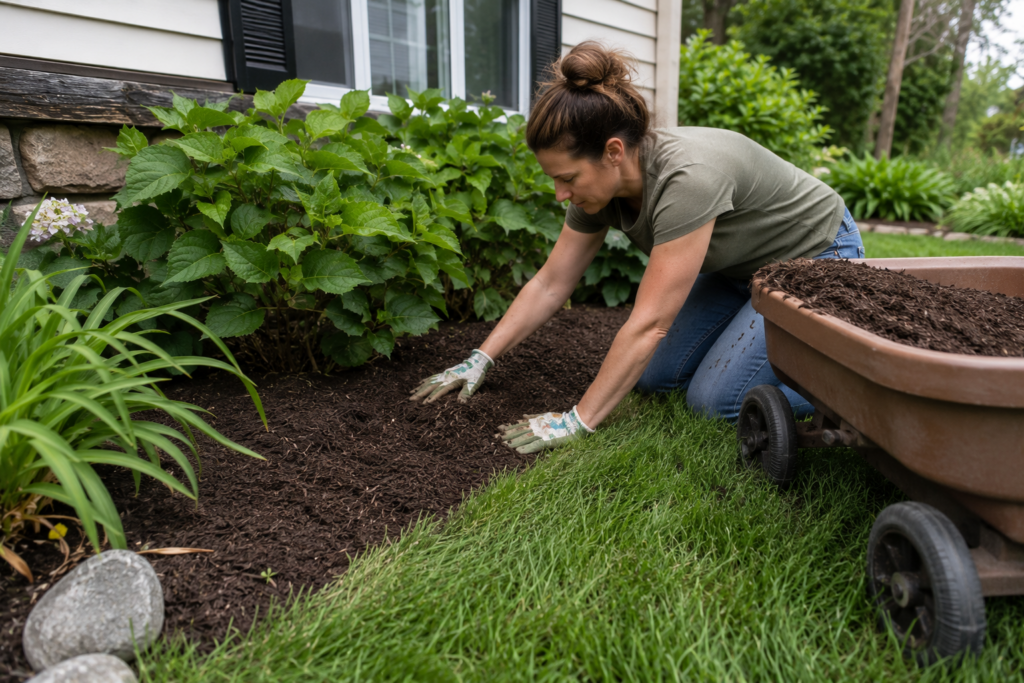
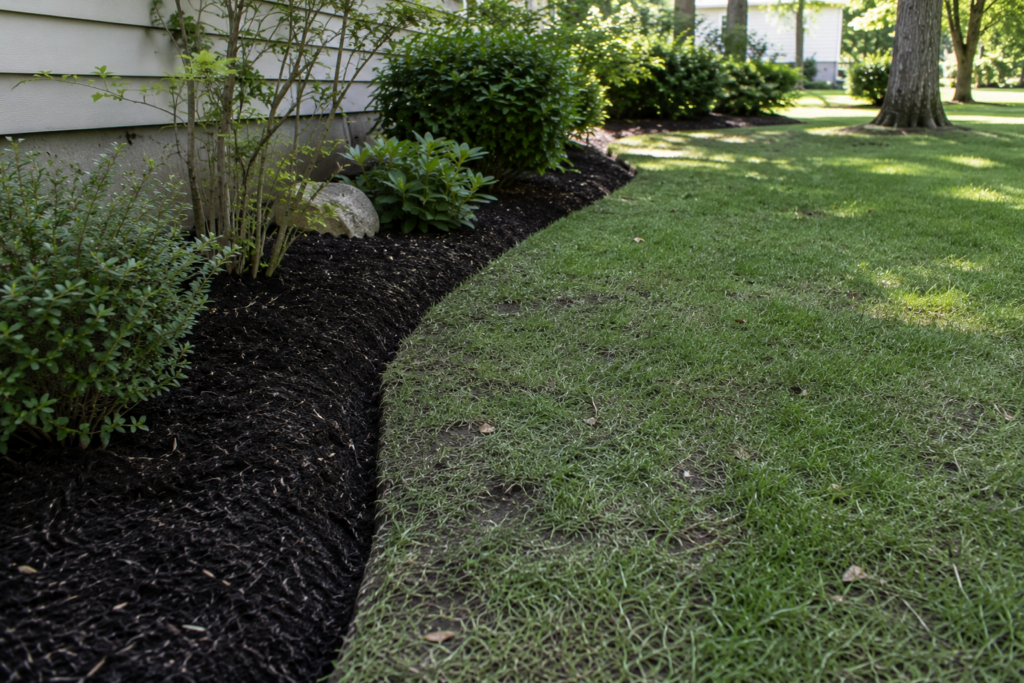
Mulching also gets overdone more often than people realize. Thick piles of mulch around trees and shrubs can trap moisture and damage the base of the plant. A light, even layer works much better. Good mulching helps retain moisture, reduce weeds, and give planting beds a fresh appearance without causing long term issues.


Routine maintenance is another very important factor in maintaining a healthy landscape!

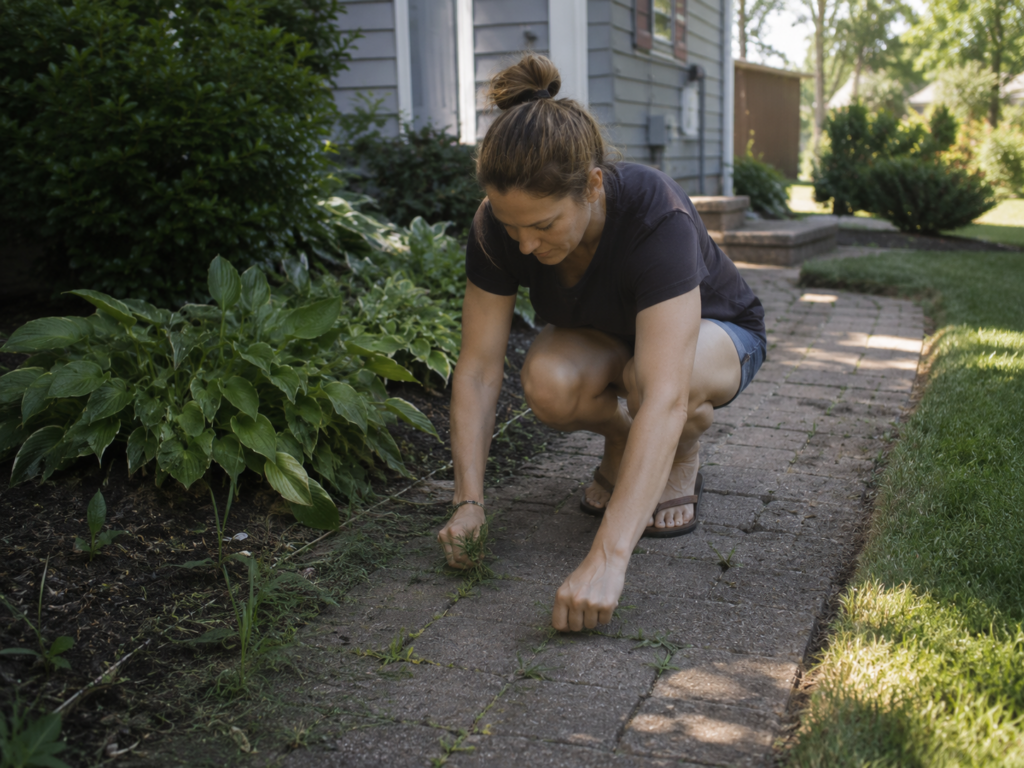
Those small issues like weeds, clogged sprinkler heads, patchy grass, or overgrown shrubs are easier to handle early. When left alone, those small problems usually turn into larger repairs later in the season. Regular upkeep keeps the entire property healthier and improves curb appeal throughout the year.


A well maintained landscape really does not need to be complicated. The right watering habits, proper plant spacing, and consistent care go a long way in keeping outdoor spaces healthy, attractive, and much easier to manage over time. Now you’re a pro!


Remember, lawns do better with deeper watering! We hope this helps!

07 May 2026

Here’s what you should prioritize when working on your yard this weekend!


Early May is one of the best times to get outside in New Hampshire and start bringing your yard back to life. Start with a simple cleanup. Clear out leftover debris, lightly rake matted grass, and edge your beds. This opens everything up to sunlight and air. Do not leave heavy layers of leaves behind. They trap moisture and can slow your lawn down instead of helping it. A simple tip is to rake in different directions. This lifts flattened grass without tearing it out.


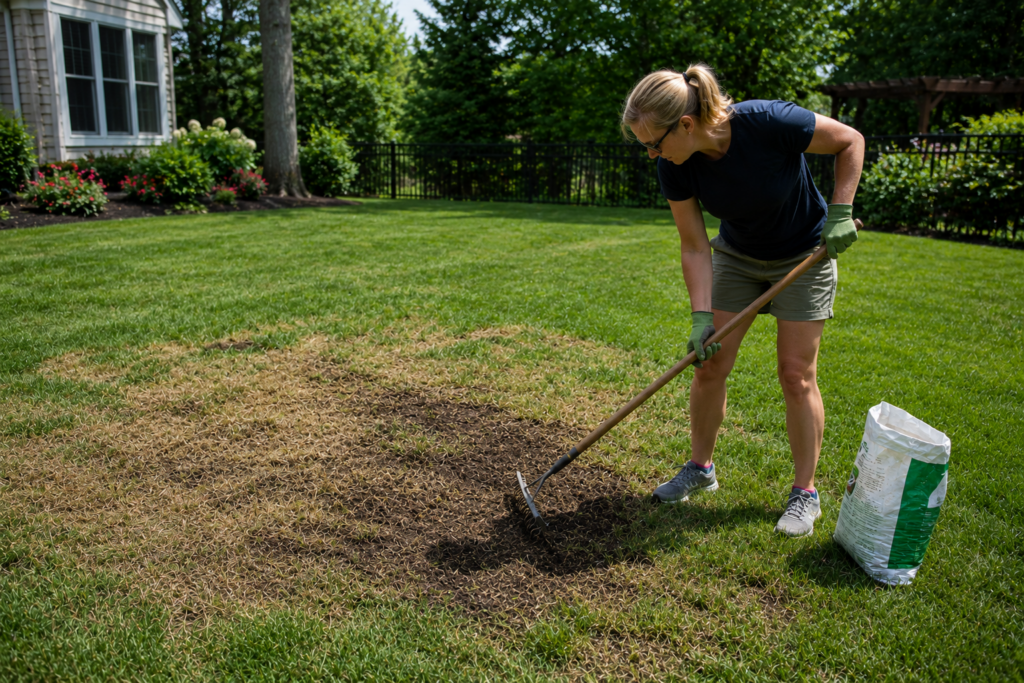
Next, focus on basic lawn repair. Spot seed any thin areas and keep them lightly watered. Keep your approach targeted. Spring is the right time to fix problem spots, not redo the entire lawn. If the soil feels compacted, plan to aerate soon, especially in high traffic areas. Another useful trick is to top-dress seeded areas with a thin layer of compost. It holds moisture and improves seed to soil contact, which leads to better germination.


Its also good idea to also turn your attention to your irrigation system this week. Run a full check. Look for leaks, broken heads, and uneven coverage. Set a light watering schedule based on current conditions. Avoid overwatering. Cooler temperatures mean water stays in the soil longer. Here’s a helpful test: place a small container on your lawn while the system runs. This shows you how evenly water is being distributed and helps you adjust your timing.


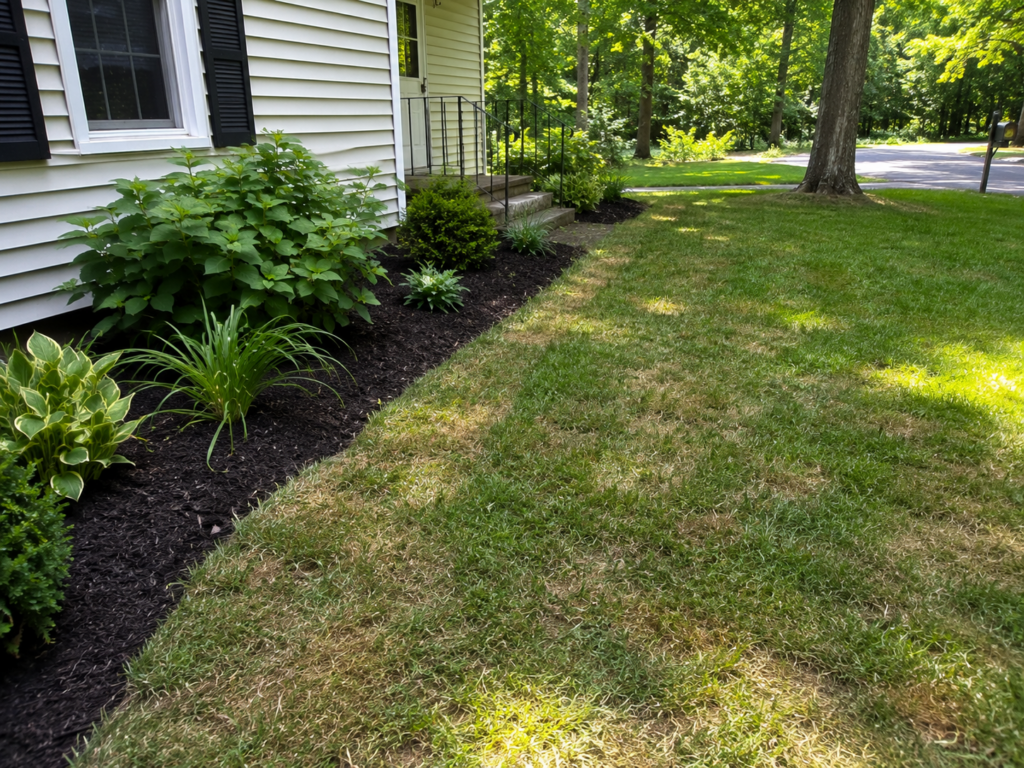
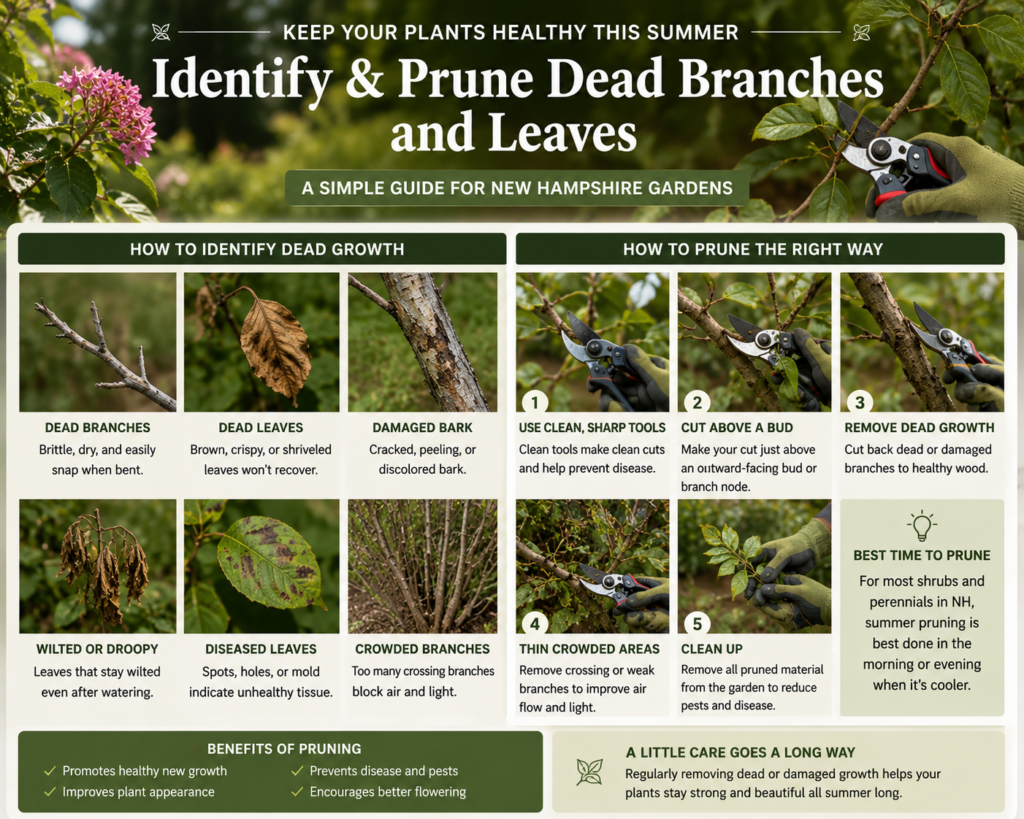
Finish by refreshing your planting beds. Add a thin, even layer of mulch and prune any winter damage. Keep mulch depth under control so roots can breathe. It’s also helpful to leave a small gap around the base of plants when mulching. This prevents rot and keeps pests away.


Keep your focus on steady progress this time of year. You do not need to do everything in one weekend. Small, consistent steps now will set your yard up for a strong summer. Pay attention to how your lawn responds, adjust as needed, and stay ahead of problems before they spread. If you stay consistent through May, you will have a healthier, easier to maintain landscape going into the warmer months!


01 May 2026

How to keep your Landscape AND your Pets Happy and Healthy!

A pet friendly yard starts with surfaces that can handle daily use. Dogs create wear patterns, especially along fences and play paths. Choose durable turf like tall fescue and consider mixing in clover to reduce damage and watering needs. In high traffic areas, switch to mulch or gravel to prevent bare spots and mud. This keeps your yard functional and reduces ongoing repair.

Neither option is universally better. Each serves a different purpose in a pet friendly yard.

Lawn works best for comfort and daily use. Grass is soft on paws, stays cooler in summer, and gives dogs space to run and rest. It also absorbs waste better than hard surfaces. The downside is wear. High traffic and urine can create brown spots and thinning areas, especially without proper maintenance.


Mulch and gravel work best for durability and designated areas. These materials hold up well in high traffic zones like paths, fence lines, and bathroom areas. They drain well and are easier to clean. Gravel can be tough on paws if too sharp, and some mulches are not pet safe, so material choice matters.

The best solution is a mix of both. Use lawn for open play and comfort. Add mulch or gravel in high use zones to prevent damage and mud. This combination gives you a yard that stays functional, clean, and comfortable for your pet.


Plant selection and comfort features matter. The ASPCA Animal Poison Control Center handles over 400,000 cases per year. Plants rank in the top 5 most common toxins, accounting for a significant share of calls each year. Use pet safe plants such as marigolds, sunflowers, and herbs, and avoid common toxic varieties. Add shade with trees or structures so pets can stay cool during warm weather. Choose ground materials that stay comfortable underfoot and avoid surfaces that retain heat. These choices improve safety and usability.
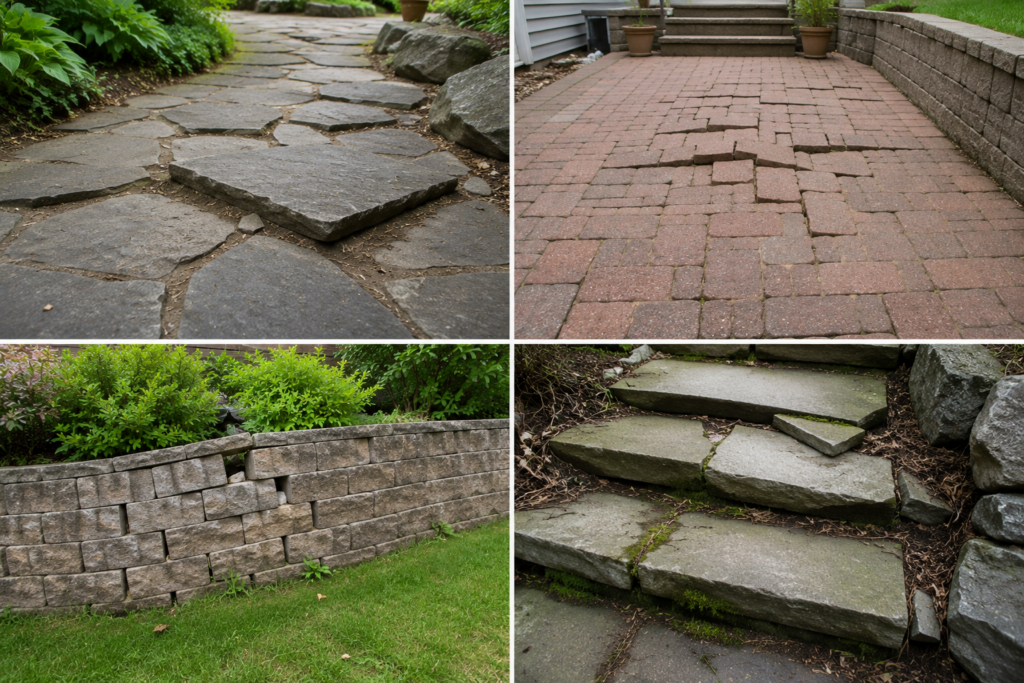

Structure your yard with clear zones. Open space supports play and exercise, while a designated bathroom area keeps waste contained and easier to manage. Use materials like pea gravel or mulch in that zone for drainage and cleanup. Protect planting beds with edging or low barriers to reduce digging and damage. This layout keeps the yard organized and lowers maintenance.

Finish with systems that support long term performance. Good drainage prevents mud and odor buildup in high use areas. Irrigation helps maintain turf and can dilute urine spots to reduce burn damage. Use pet safe mulch, smooth edging, and secure fencing to avoid injury. These details make the yard easier to maintain and more durable over time.

YOUR PETS WILL THANK YOU!

24 Apr 2026

Why you should consider Irrigation for a happier Lawn or Garden!

Water becomes a limiting factor in many New Hampshire yards as spring transitions into early summer, and recent data shows why. While the state typically receives steady precipitation, patterns have shifted.

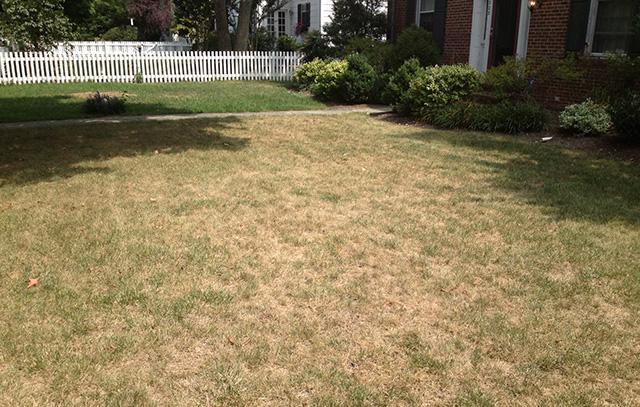
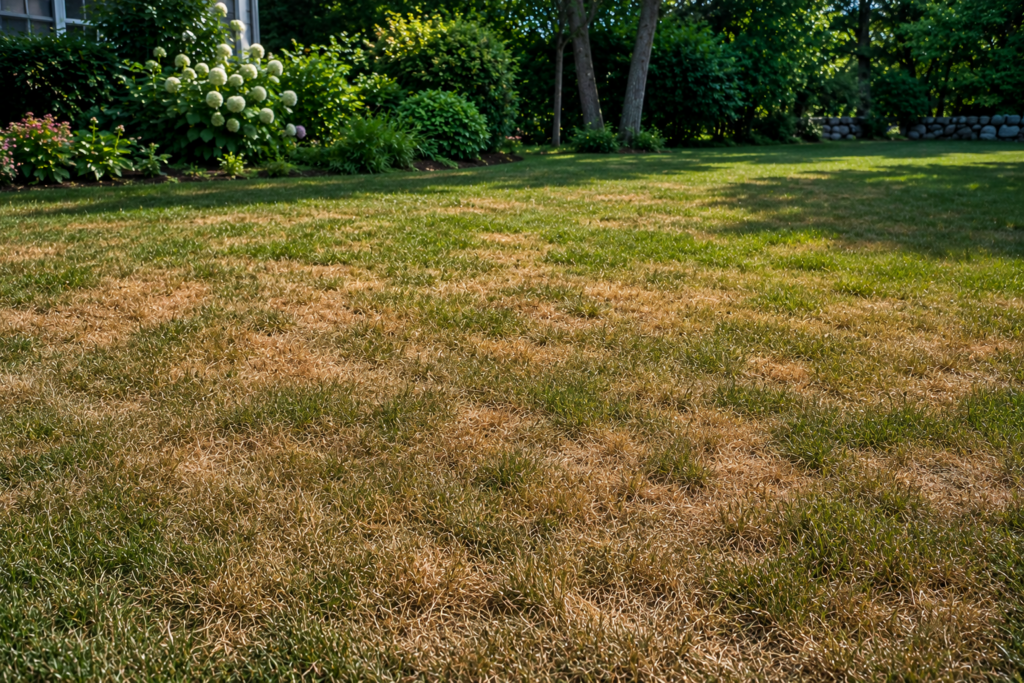
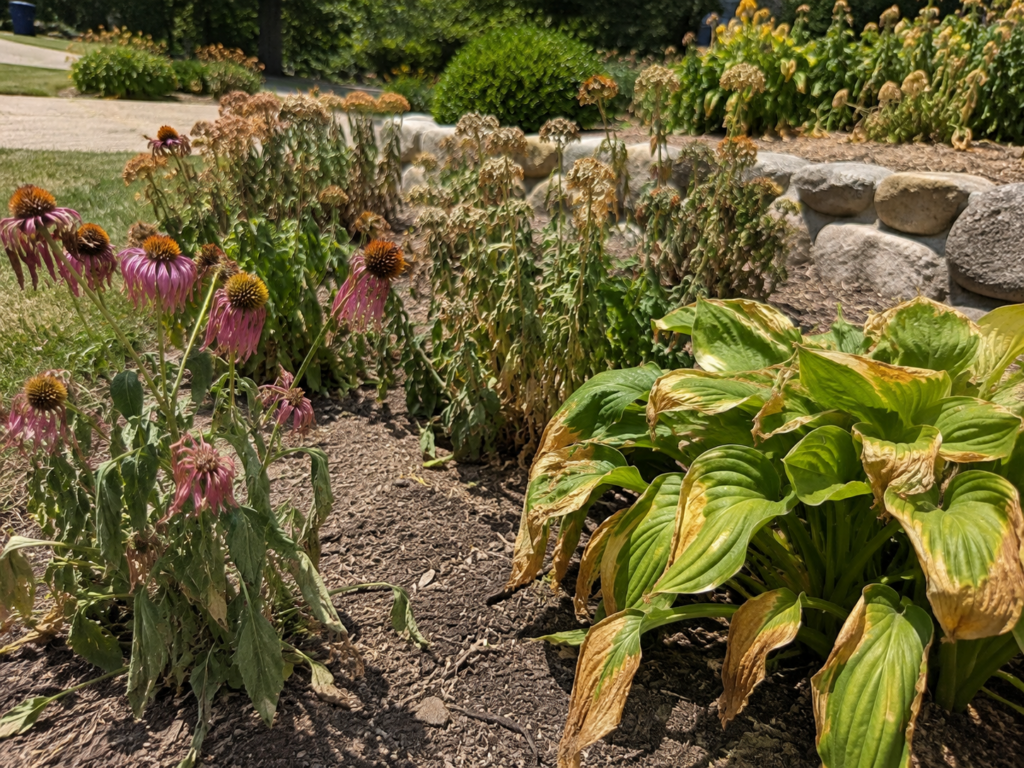
In 2025, New Hampshire recorded its driest summer on record, with only about 7.4 inches of rain from June through August, roughly 4 inches below normal. In some areas, total precipitation has run nearly a foot below average over a nine month period, despite periods of heavy spring rain. This creates a cycle where lawns start strong in spring but quickly lose consistent moisture. You may notice dry patches, thinning turf, or plants that wilt between storms. These are clear signals that natural precipitation is not enough. Irrigation solves this by delivering consistent moisture where and when your landscape needs it, which leads to stronger roots and more uniform growth.


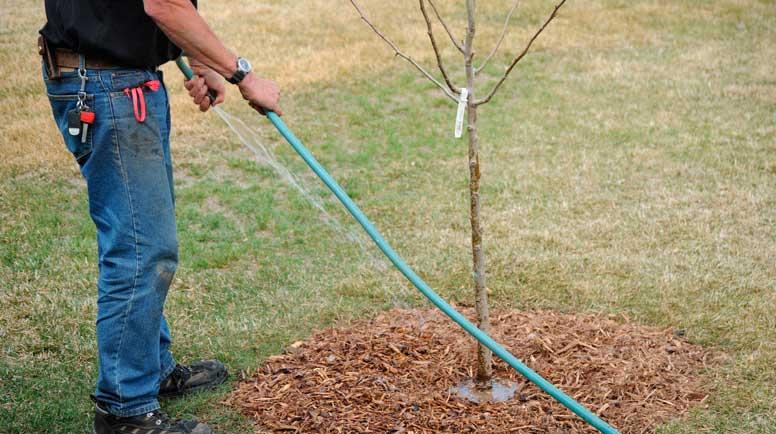
As those dry stretches become more common, irrigation becomes even more important when you invest in your landscape. New seed, sod, shrubs, and garden beds all depend on steady moisture to establish, especially when rainfall is inconsistent week to week. Hand watering often leaves gaps and varies day to day.

A properly designed system delivers even coverage on a set schedule. This supports root development, reduces plant stress, and protects the time and money you put into your yard.


Modern irrigation systems give you control and efficiency. Timers, rain sensors, and zone-based watering reduce waste and prevent overwatering. You can match water delivery to soil type, sun exposure, and plant needs.

This approach keeps your lawn and landscape healthy through dry periods while lowering water use. For homeowners who want consistent results with less effort, irrigation is a practical upgrade.


New Hampshire rainfall patterns are becoming less predictable, with wet springs often followed by dry early summers. An irrigation system gives you control when natural rainfall falls short. It protects new plantings, keeps turf consistent during dry periods, and reduces stress caused by uneven moisture. A properly designed system also improves efficiency by applying the right amount of water at the right time. This helps you maintain a healthy, low-maintenance landscape despite changing conditions.

Estimated reading time: 3 minutes

06 Apr 2026

Shadescaping – How to Enjoy the Summer Heat

Creating shade in your backyard improves comfort, protects surfaces, and extends how you use your space. Direct sun raises temperatures fast and limits when you can sit, cook, or entertain. A few well-chosen shade features fix this and add structure to your yard.

Start with trees. They give the most natural coverage and reduce heat over a wide area. Place shade trees on the south or west side of patios and seating zones. Fast-growing options like maple or hybrid poplar give quick results. Native species adapt better and need less care. Plan for mature size so roots and canopy fit the space. 

Add built structures where you need immediate shade. Pergolas define a space and cut direct sun while keeping airflow. You can train climbing plants like wisteria or grape for added cover. A solid roof structure gives full protection and works well over outdoor kitchens and dining areas. Place posts outside main traffic paths to keep the layout clean.

Use flexible options for control. Shade sails stretch between anchor points and cover irregular areas. They install fast and cost less than permanent builds. Large patio umbrellas work for smaller zones and move with the sun. Retractable awnings attach to the house and extend when needed, then retract to bring light back in.

Combine methods for best results. Trees cool the area overall, while structures target specific zones. Light-colored materials reflect heat and keep surfaces cooler. Permeable pavers and ground cover reduce heat buildup compared to dark, solid surfaces.

Plan drainage and maintenance from the start. Shade increases moisture retention, so ensure water flows away from foundations and seating areas. Choose durable fabrics and hardware rated for wind. Trim trees to maintain clearance and healthy growth.

A shaded backyard stays usable through more of the day and across more of the season. You gain a cooler, more functional space without major changes to your home.