Landscape Maintenance & Design
31 Aug 2026

Jumping Worms: An Invasive Threat to Gardens

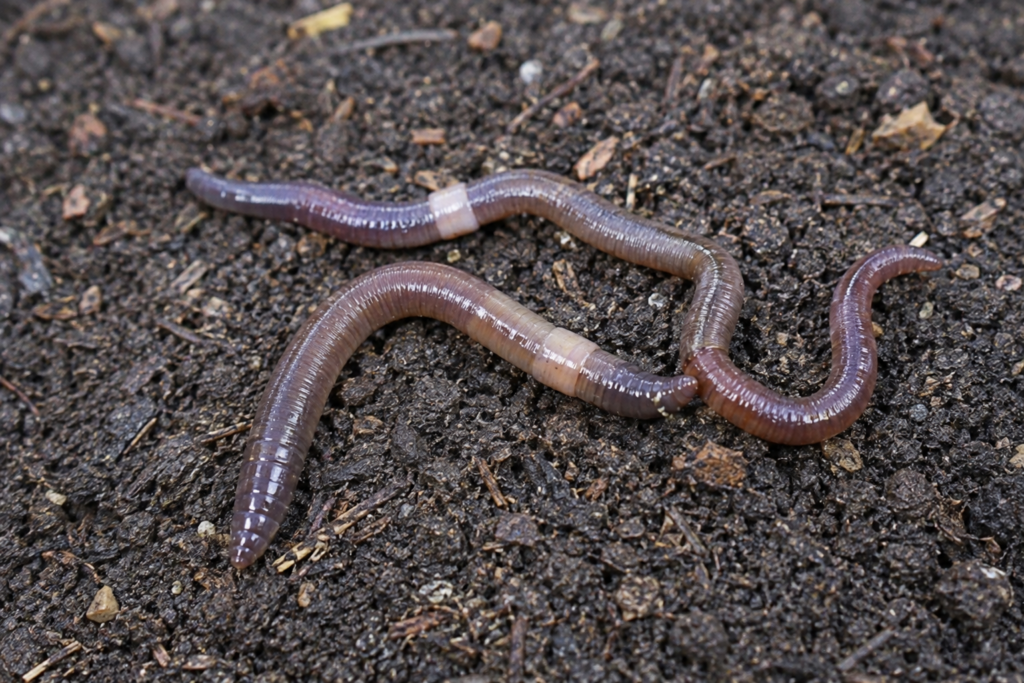
Most of us grew up hearing that finding earthworms in the garden is a good thing. But there is one worm New Hampshire homeowners should learn to recognize. Invasive jumping worms, sometimes called snake worms, are invasive earthworms originally from Asia. Unlike familiar earthworms that tunnel deeper into soil, jumping worms live close to the surface and rapidly consume leaf litter and other organic material. According to UNH Cooperative Extension’s guide to jumping worms, they can dramatically change the upper layer of soil. This potentially affects the plants and organisms that depend on it.
How to Identify

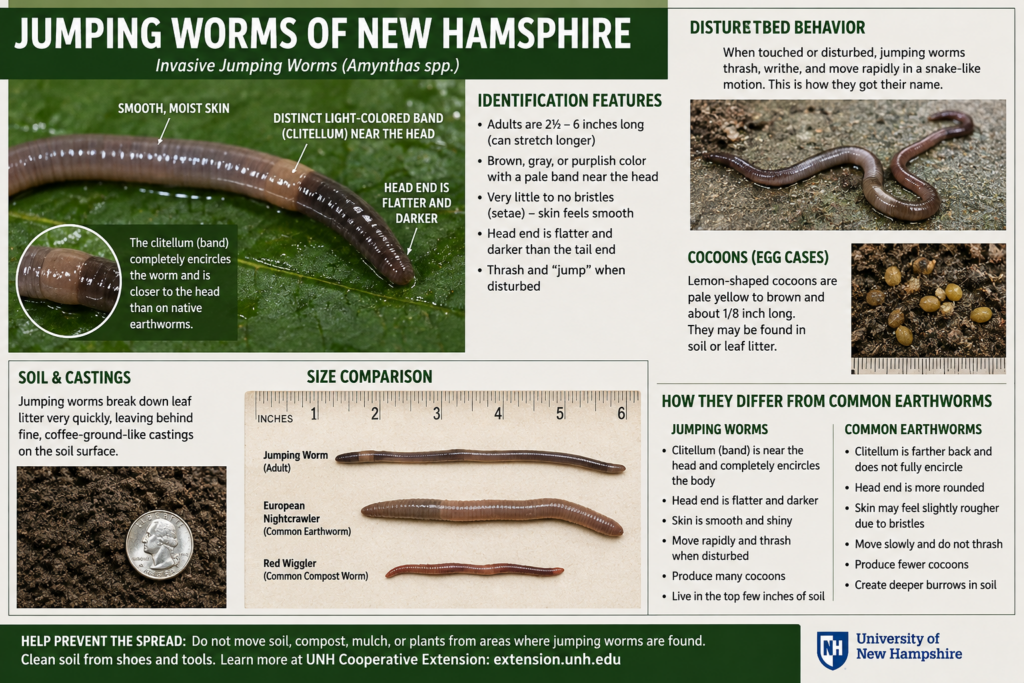
One of the easiest clues may actually be the soil rather than the worm. An area with jumping worms can develop loose, grainy soil that resembles coffee grounds. You might also notice garden mulch or leaf litter disappearing unusually quickly. Adult jumping worms are generally brown to gray with a smooth, light-colored band near the head that completely circles their body. They also behave differently from typical garden worms. When disturbed, they can thrash vigorously and move across the soil in an almost snake-like motion. UNH Extension provides additional identification tips in its jumping worm identification guide.
Why Does This Matter for Your Landscape?

Researchers are still determining exactly how jumping worms affect different soils and ecosystems, but studies show they can change soil chemistry. A 2024 peer-reviewed study, Testing the Impacts of Invasive Jumping Worms at Their Northern Range Limit, found significant effects on soil nitrogen at a residential property in New Brunswick. However, researchers did not find significant effects on total soil carbon or the abundance of European earthworms. Another peer-reviewed study of invasive Amynthas jumping worms and soil nutrients found changes in important nutrients including potassium, calcium, magnesium and phosphorus. Some effects, however, varied by worm species and location. This is an important reminder that the science is still developing. Also, the effects of jumping worms aren’t identical everywhere.
How to Prevent The Spread

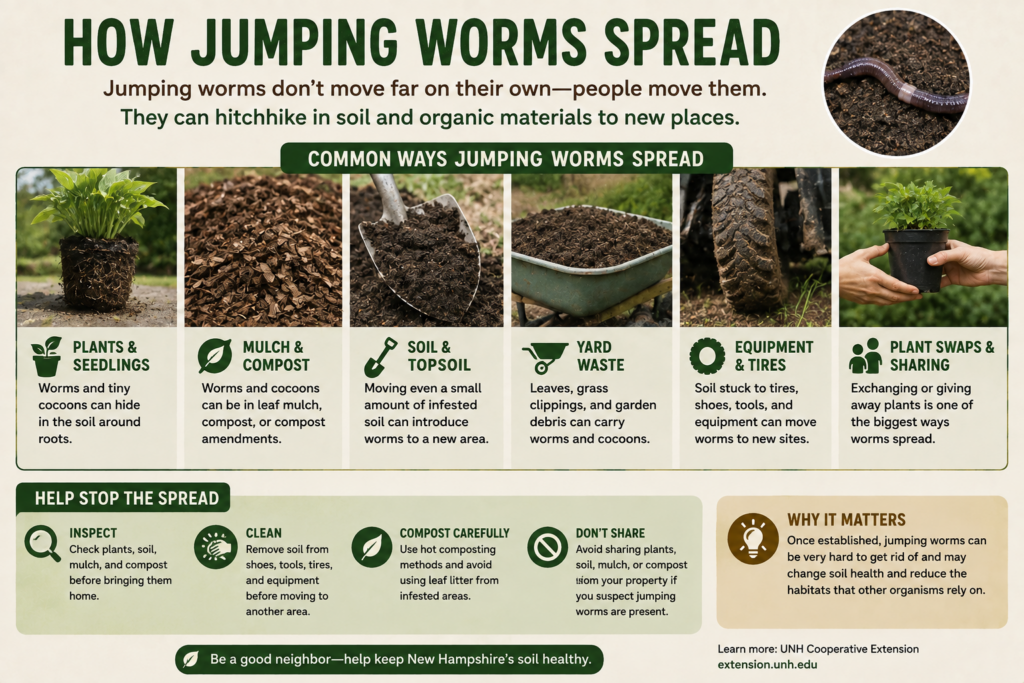
For New Hampshire homeowners, prevention is particularly important. Jumping worms and their cocoons can potentially be moved from property to property through soil, plants, compost and mulch. Before bringing these materials into your landscape, take a moment to inspect them. Be especially careful when dividing and exchanging plants with friends or participating in plant sales. If you suspect jumping worms are already on your property, avoid moving potentially contaminated soil, compost or plants to another yard. You can also contact the UNH Extension Yard & Garden Infoline for help with identification and gardening questions.

Do Not Panic!

Finding jumping worms doesn’t mean you have to give up on your garden. It does mean this is one invasive species worth watching for while you’re weeding, mulching, planting or dividing perennials. Sometimes good landscaping isn’t only about what you add to your yard. It’s also about noticing what has arrived unexpectedly and taking simple steps to prevent it from reaching the next property.
29 Aug 2026

Drought Lawn Care: Keeping Grass Dormant and Alive

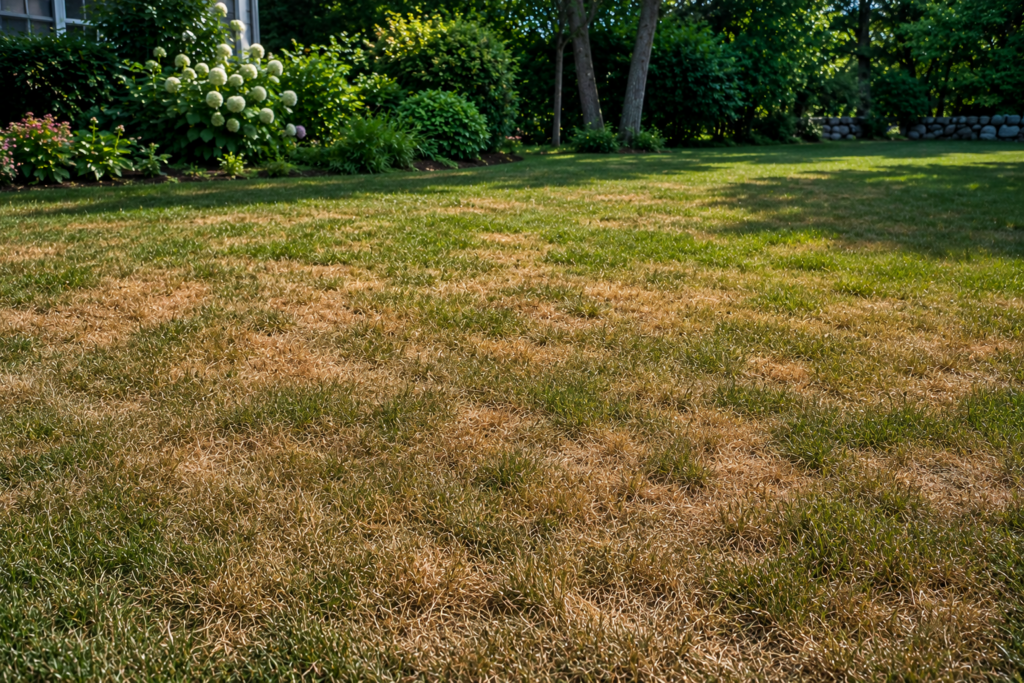
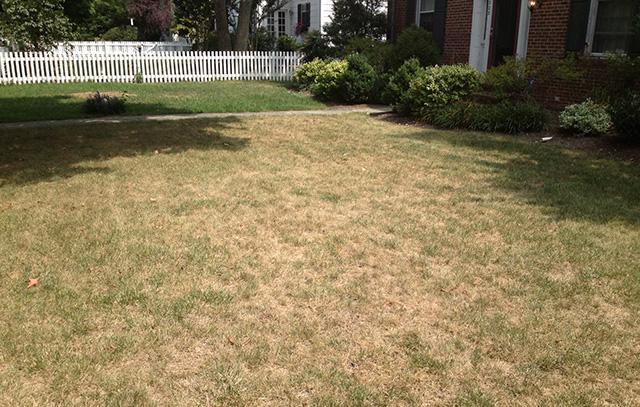
Dry stretches can leave New Hampshire homeowners wondering whether they should keep watering their lawns or simply let the grass turn brown. The good news is that a brown lawn is not necessarily a dead lawn. Many of the cool-season grasses commonly found in New Hampshire can enter dormancy during hot, dry conditions. This is a natural survival response that allows the grass to conserve resources until cooler temperatures and rainfall return. During a drought, your goal does not always need to be keeping every inch of the yard bright green.

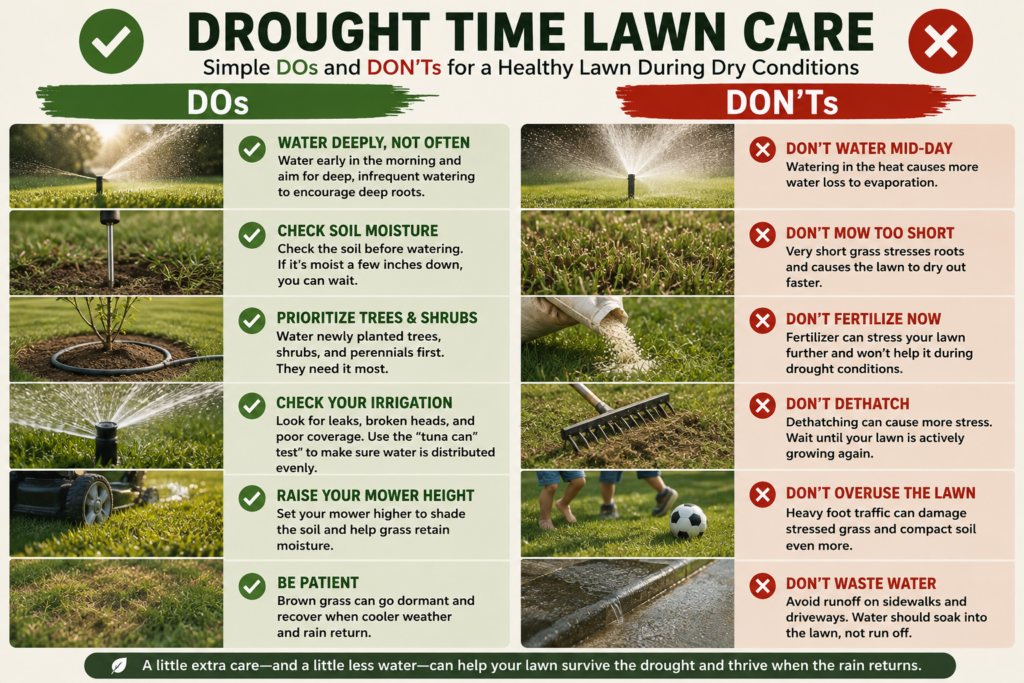
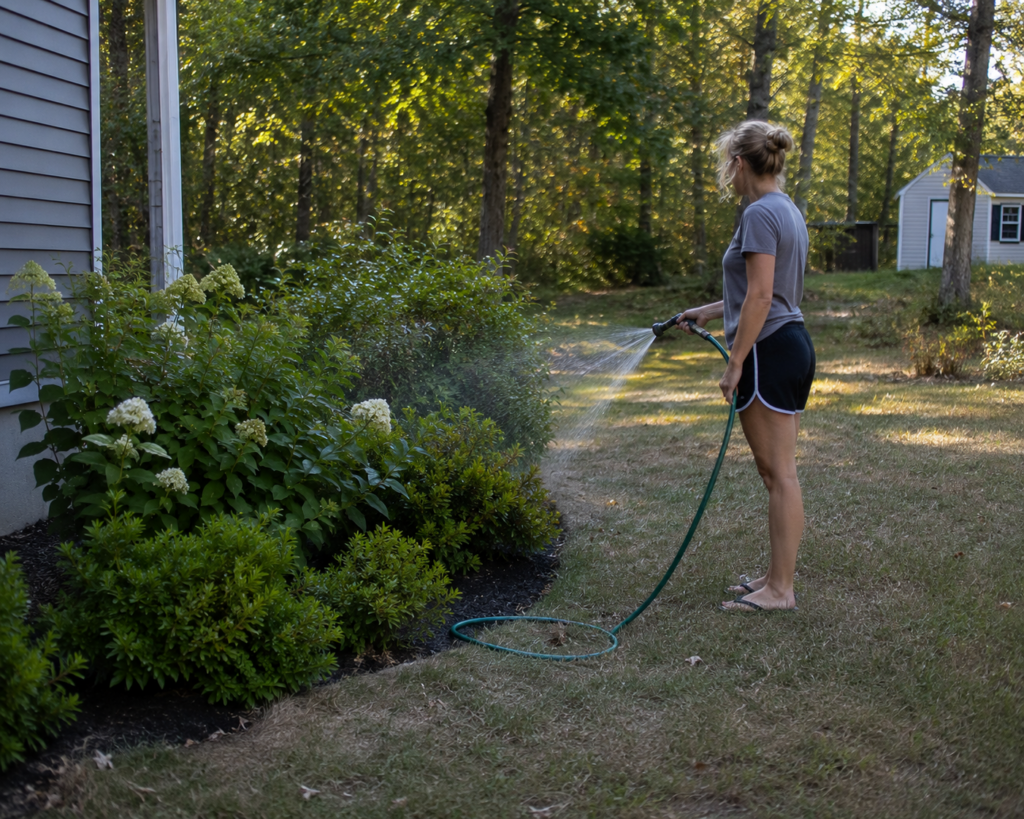
If you decide to water, focus on watering deeply rather than frequently. Deep watering encourages roots to reach farther into the soil, while frequent shallow watering can encourage roots to remain near the surface. Early morning is generally the best time to run irrigation because temperatures are cooler and less water is lost to evaporation.

Before watering, check the soil rather than relying only on how the grass looks. Push a screwdriver several inches into the ground. If it slides in easily and the soil feels moist, your lawn may not need additional water yet. Also check for local watering restrictions before running an irrigation system during drought conditions.

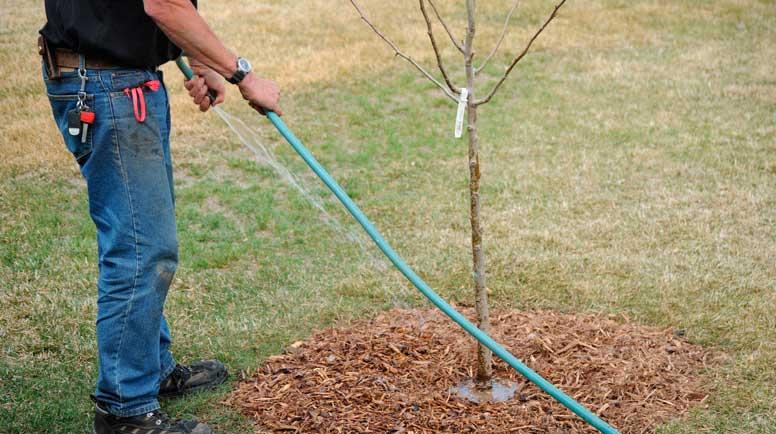
Trees, shrubs, and newly installed plants deserve special attention when water is limited. An established lawn can often recover from dormancy, while drought damage to a young tree or newly planted shrub can be much harder to reverse. Give priority to newer plantings and water slowly around their root zones. Mulching around trees and shrubs can also reduce evaporation, but avoid piling mulch against trunks and stems. A two to three inch layer is generally enough to help the soil hold moisture.

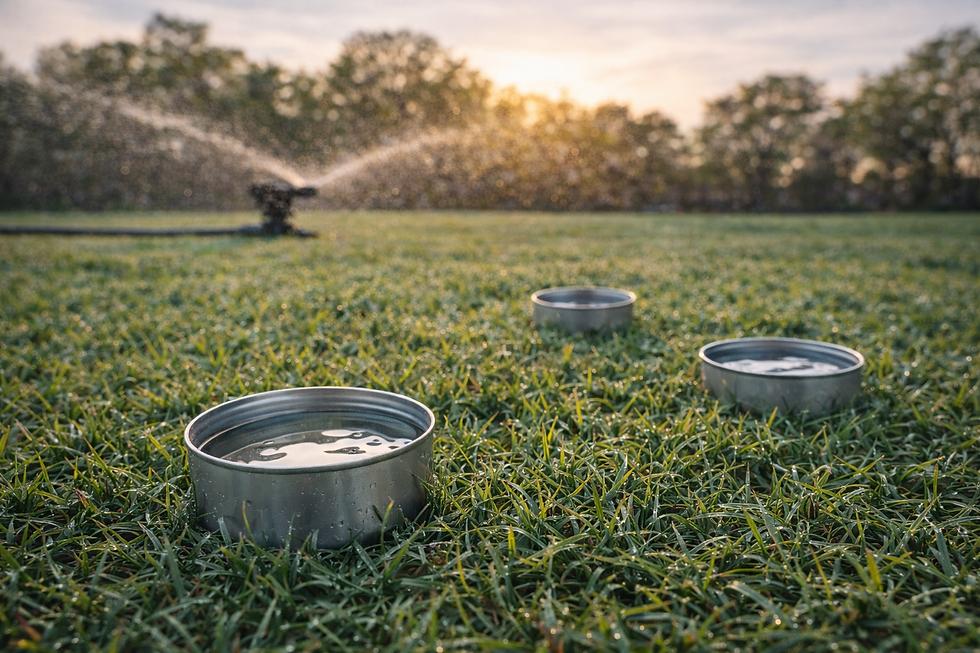
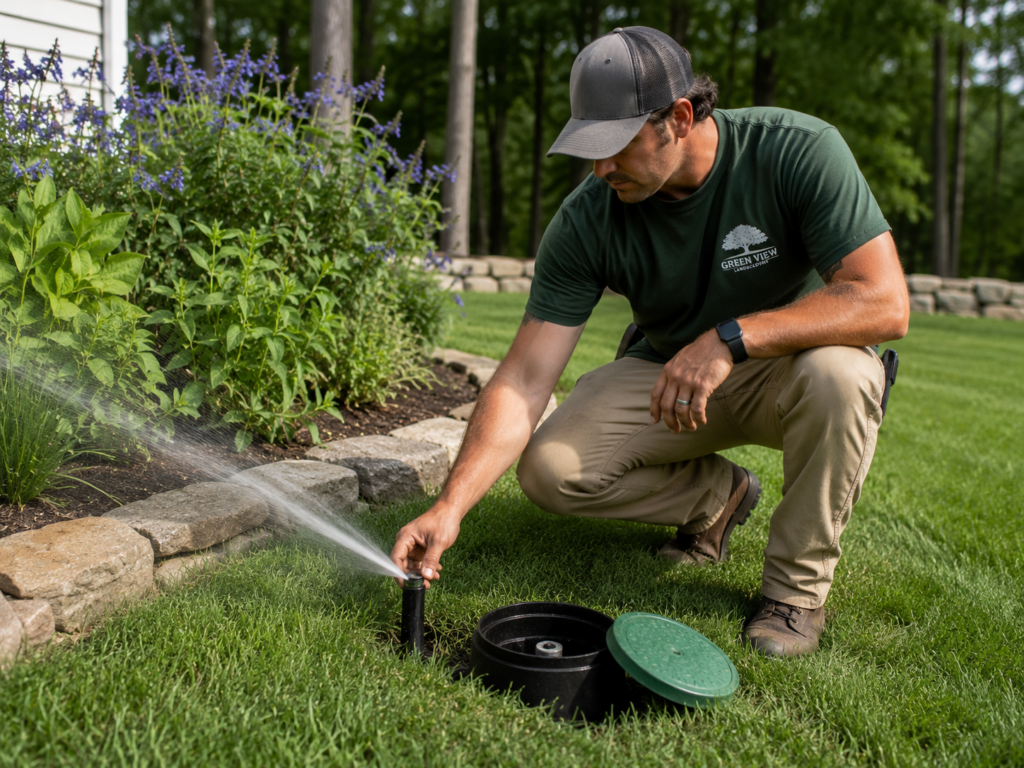
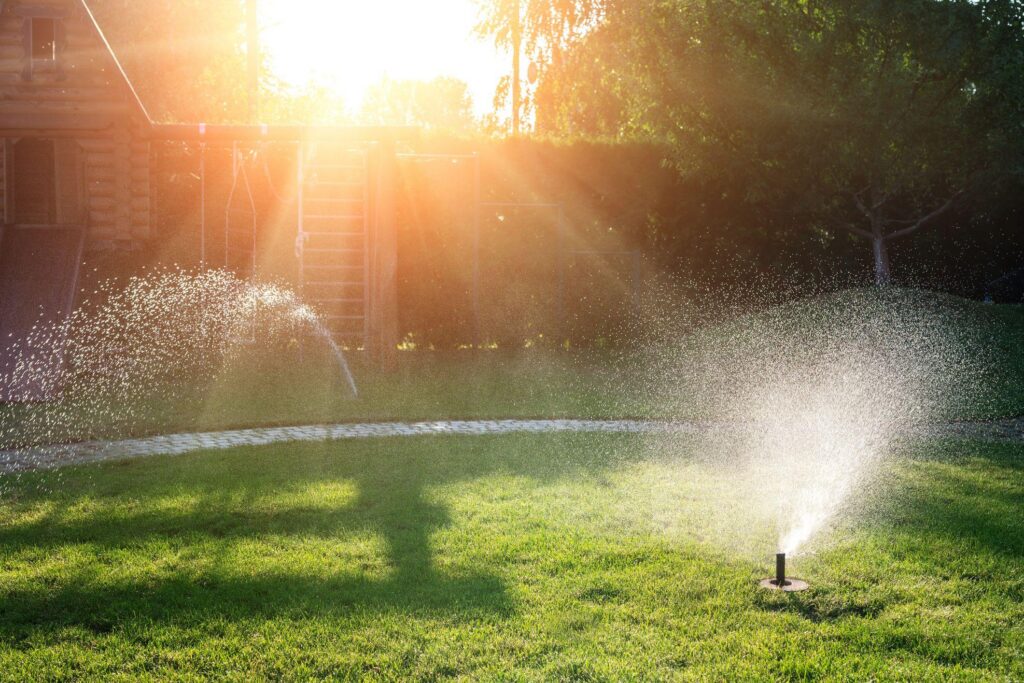
Your irrigation system can also waste more water than you realize. Check for broken sprinkler heads, clogged nozzles, overspray onto driveways, and areas where water runs down the street instead of soaking into the ground. One simple trick is the “tuna can test.” Place several empty, straight-sided cans around the sprinkler zone and run it normally. Comparing the amount collected in each container can reveal areas receiving too much or too little water. During drought conditions, improving irrigation coverage can be more useful than simply increasing watering time.

Finally, resist the urge to “fix” a drought-stressed lawn with extra fertilizer, aggressive dethatching, or very short mowing. These practices can add stress when grass is already trying to conserve resources. Raise your mower height, reduce unnecessary foot traffic, and allow dormant areas some time to recover. As late summer transitions into cooler New Hampshire weather, you can reassess thin or damaged areas and decide whether aeration, overseeding, or other fall lawn care is actually necessary. A drought doesn’t always mean your lawn needs more work. Sometimes it needs smarter watering and a little patience.


21 Aug 2026

Lawn Aeration: When and How to Aerate Your Lawn

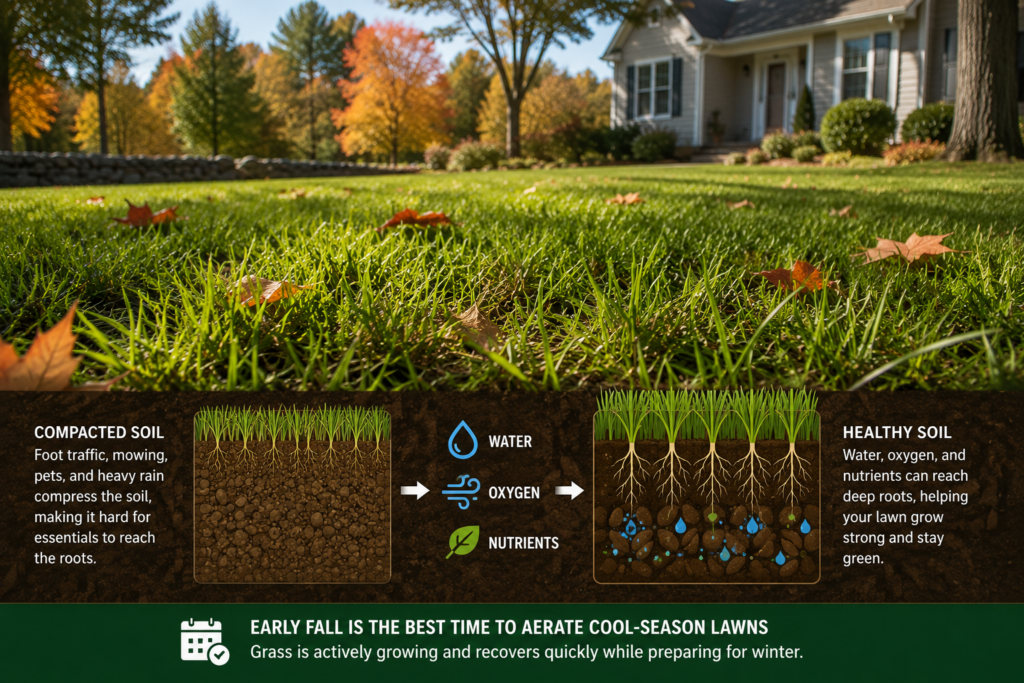
Many New Hampshire homeowners think watering and fertilizing are all a lawn needs to stay healthy, but healthy soil is just as important as healthy grass. Over time, foot traffic, mowing, pets, and even heavy rain can compact the soil beneath your lawn. When this happens, water, oxygen, and nutrients have a harder time reaching the roots. According to the University of New Hampshire Cooperative Extension, early fall is one of the best times to aerate cool-season lawns because the grass is actively growing and can recover quickly while preparing for winter.


How Often Should I Aerate My Lawn?

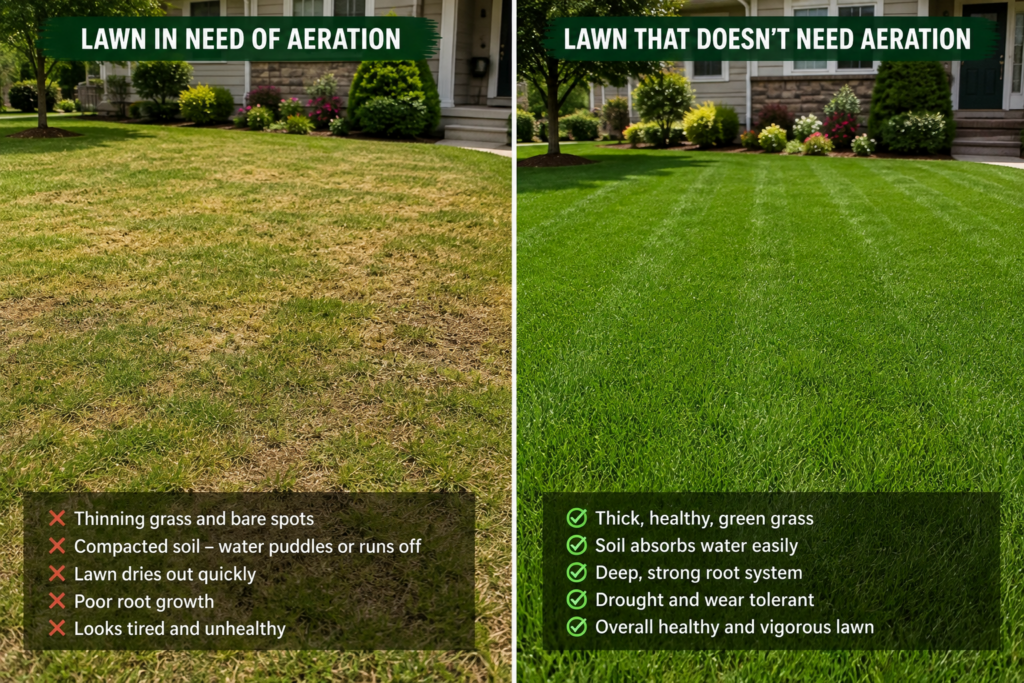
So how do you know if your lawn needs aeration? One simple test is to push a screwdriver into the ground after watering or rainfall. If it’s difficult to push more than a few inches into the soil, compaction is likely the problem. Other signs include puddles that linger after rain, thinning grass in high-traffic areas, or a lawn that dries out quickly even after watering. These symptoms often point to compacted soil rather than a lack of water. Core aeration removes small plugs of soil, allowing air, moisture, and nutrients to reach the root system more effectively.

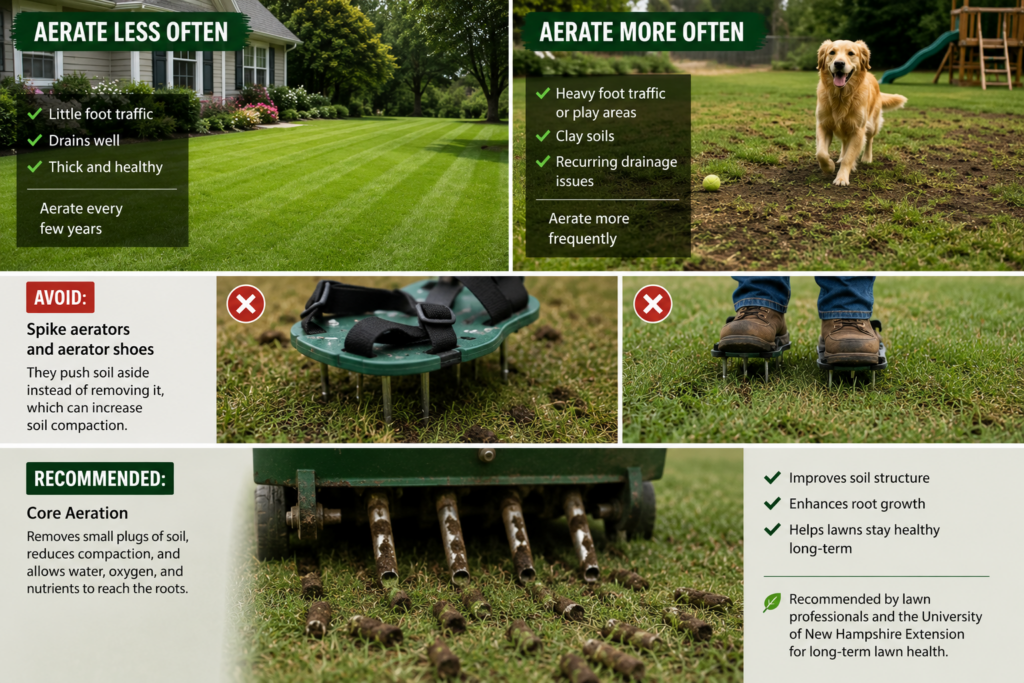
Not every lawn needs to be aerated every year! If your lawn has little foot traffic, drains well, and remains thick and healthy, you may only need to aerate every few years. However, lawns with heavy use, clay soils, or recurring drainage issues often benefit from more frequent aeration. One thing to avoid is spike aerators or aerator shoes. While they seem convenient, they can actually increase soil compaction because they push the soil aside instead of removing it. Core aeration is the method recommended by lawn professionals and the University of New Hampshire Extension for long-term lawn health.


After Aeration:

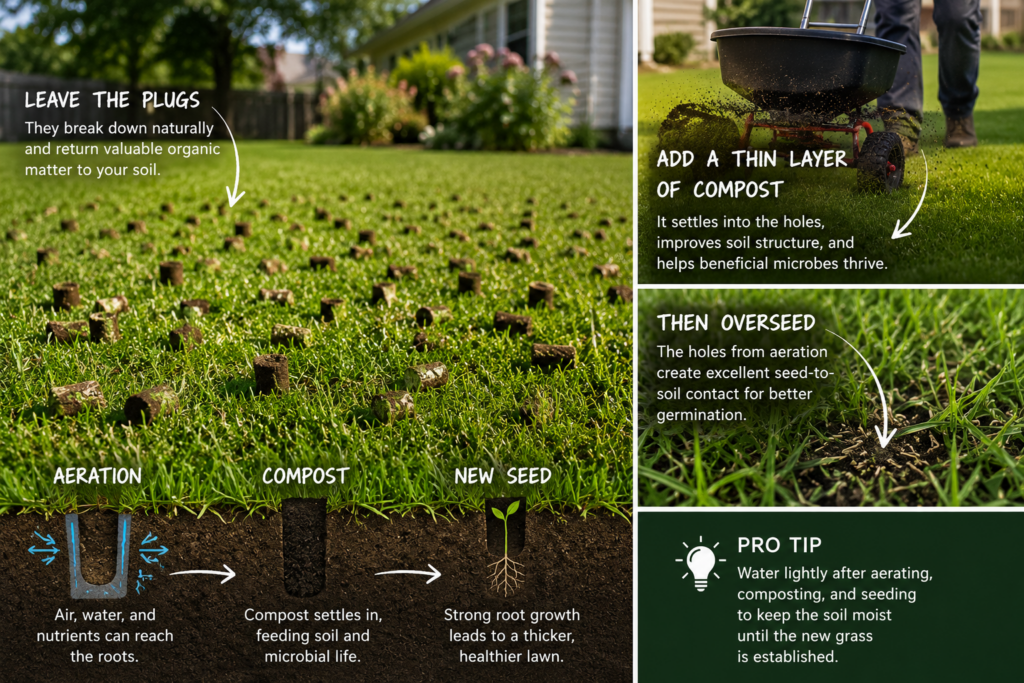
One little-known tip is to leave the soil plugs on your lawn after aeration. While they may look messy for a week or two, they naturally break down and return valuable organic matter to the soil. Another helpful trick is to spread a thin layer of compost immediately after aerating. The compost settles into the aeration holes, improving soil structure and helping beneficial microorganisms thrive. If your lawn has thin or bare areas, this is also the perfect time to overseed. The holes created by aeration provide excellent seed-to-soil contact, giving new grass a much better chance of establishing before winter.


Pro Tip!

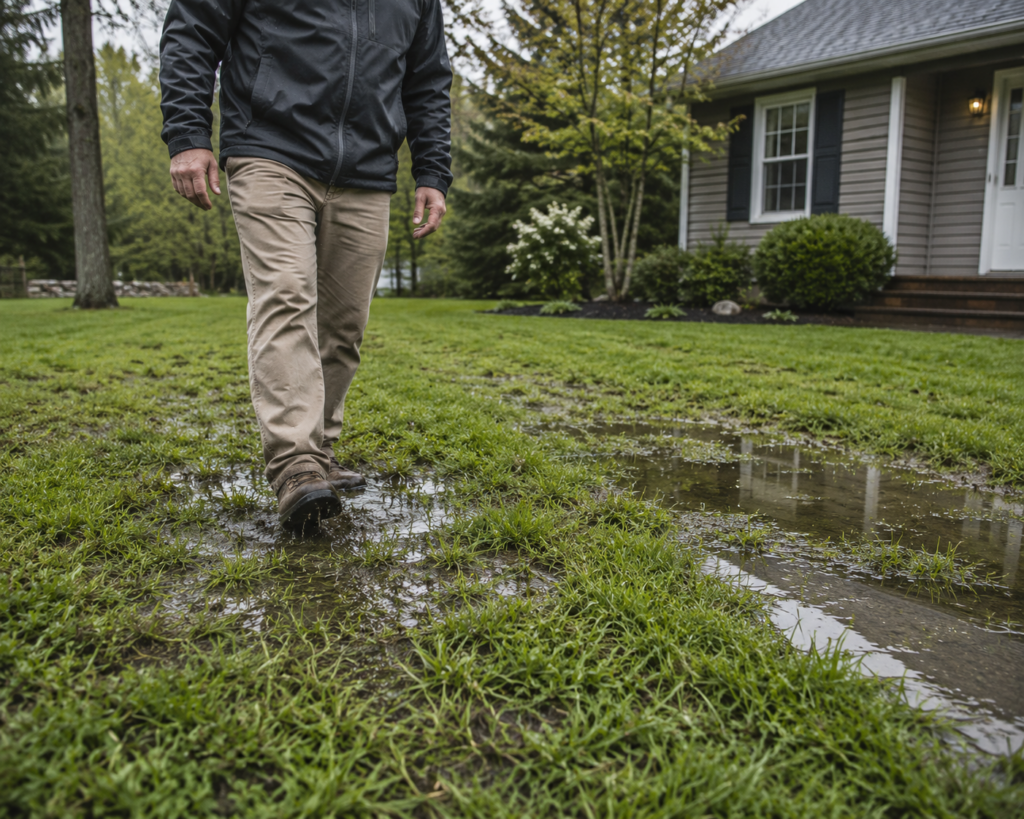
After a good rain, walk across your lawn. If water squishes under your feet or puddles remain the next day, don’t automatically assume you have a drainage problem. In many New Hampshire lawns, compacted soil is preventing water from soaking in. Aerating the lawn may solve the issue without the need for expensive drainage work!


13 Aug 2026

The Backyard Wildlife Your Landscape Is Secretly Supporting

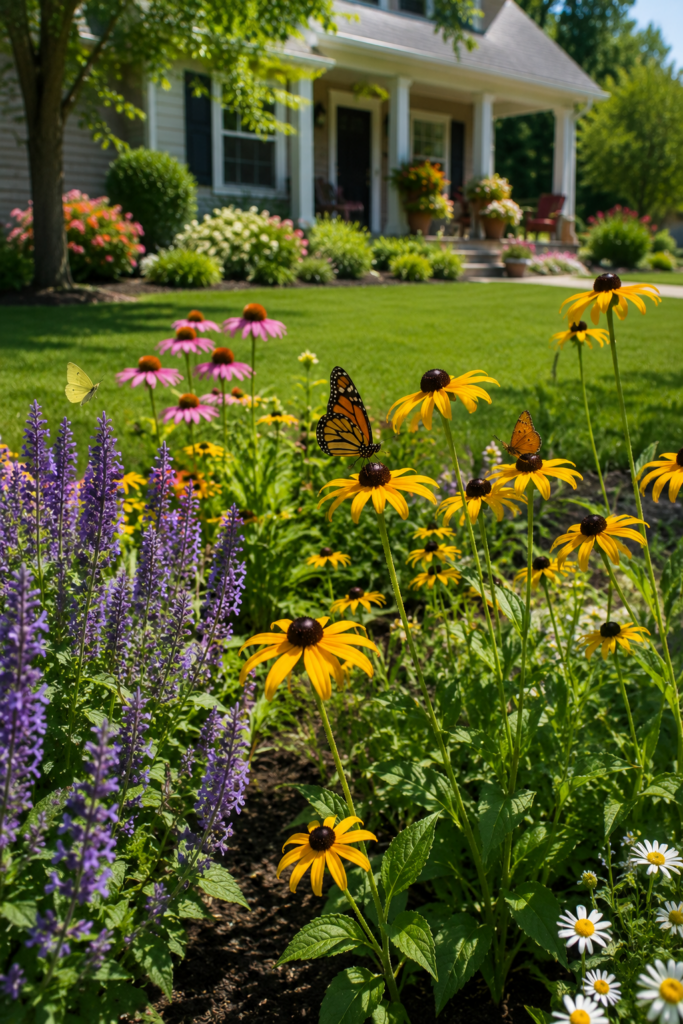
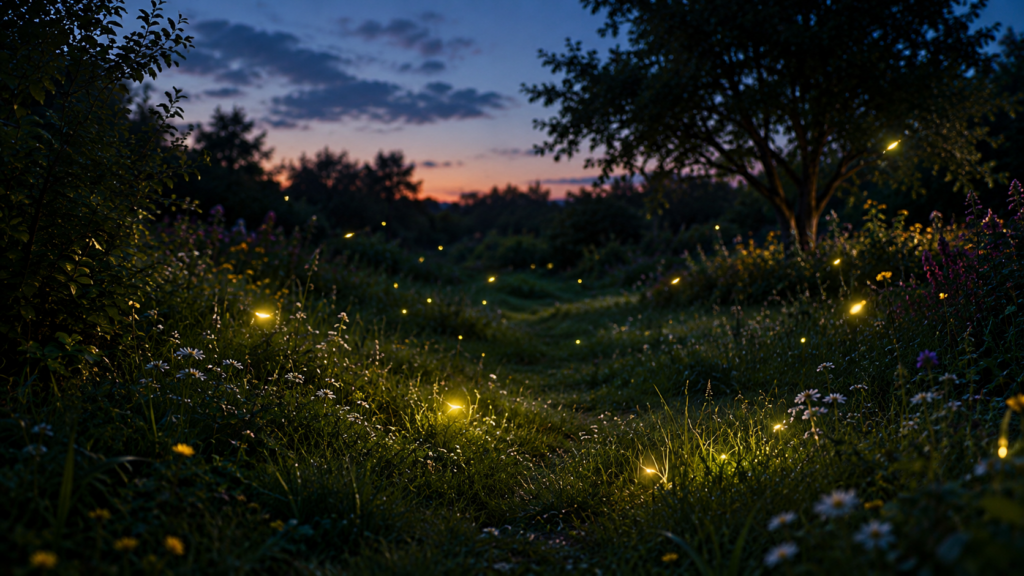
Your landscape is more than just grass, flowers, and shrubs. Every healthy yard in New Hampshire is home to an amazing variety of wildlife, much of it working behind the scenes to keep your landscape healthy. Native bees pollinate flowers, birds help control insects, butterflies add color to the garden, and even fireflies play a role by feeding on slugs and other small pests during their larval stage. If you’ve ever wondered why one yard seems full of birdsong while another feels quiet, the answer often comes down to the plants growing there. Nearly 75% of flowering plants rely on animal pollinators, and about one out of every three bites of food we eat depends on their work.

Meet Your Backyard Helpers

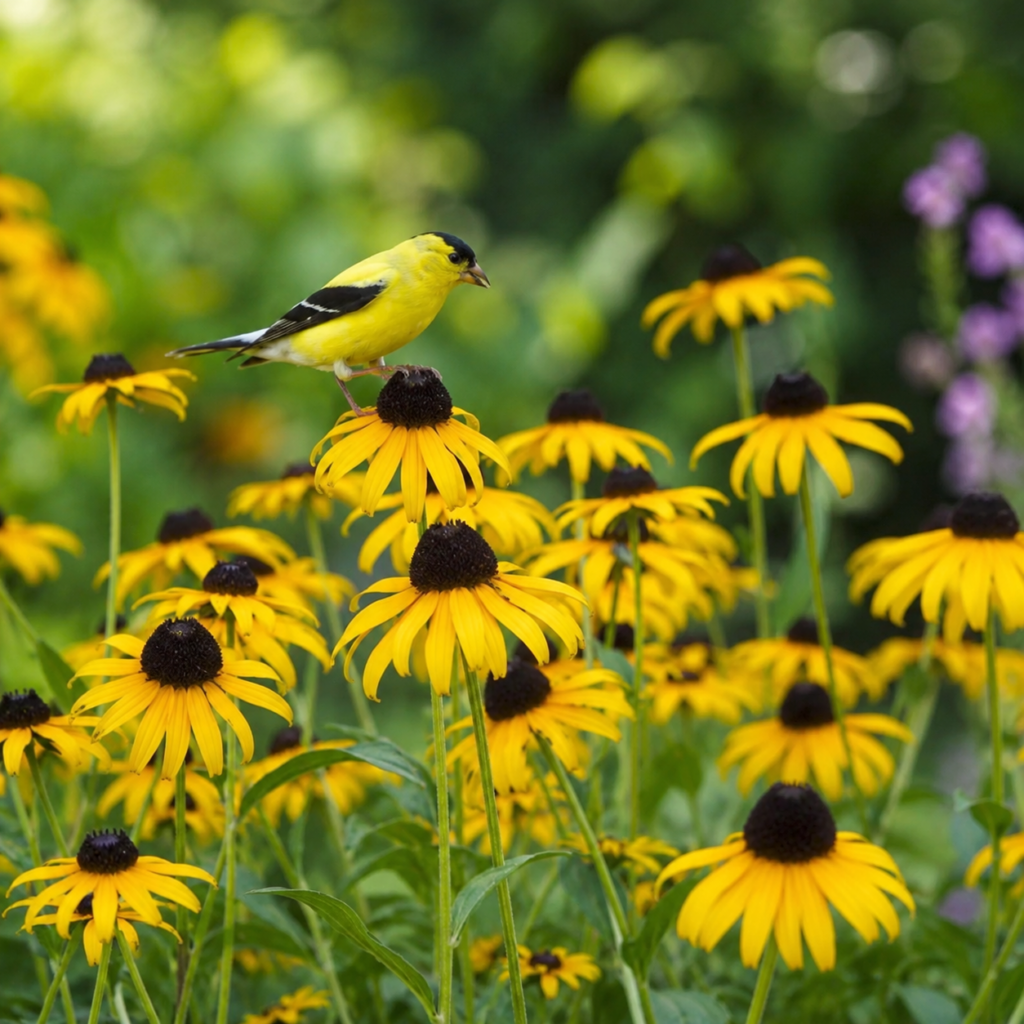
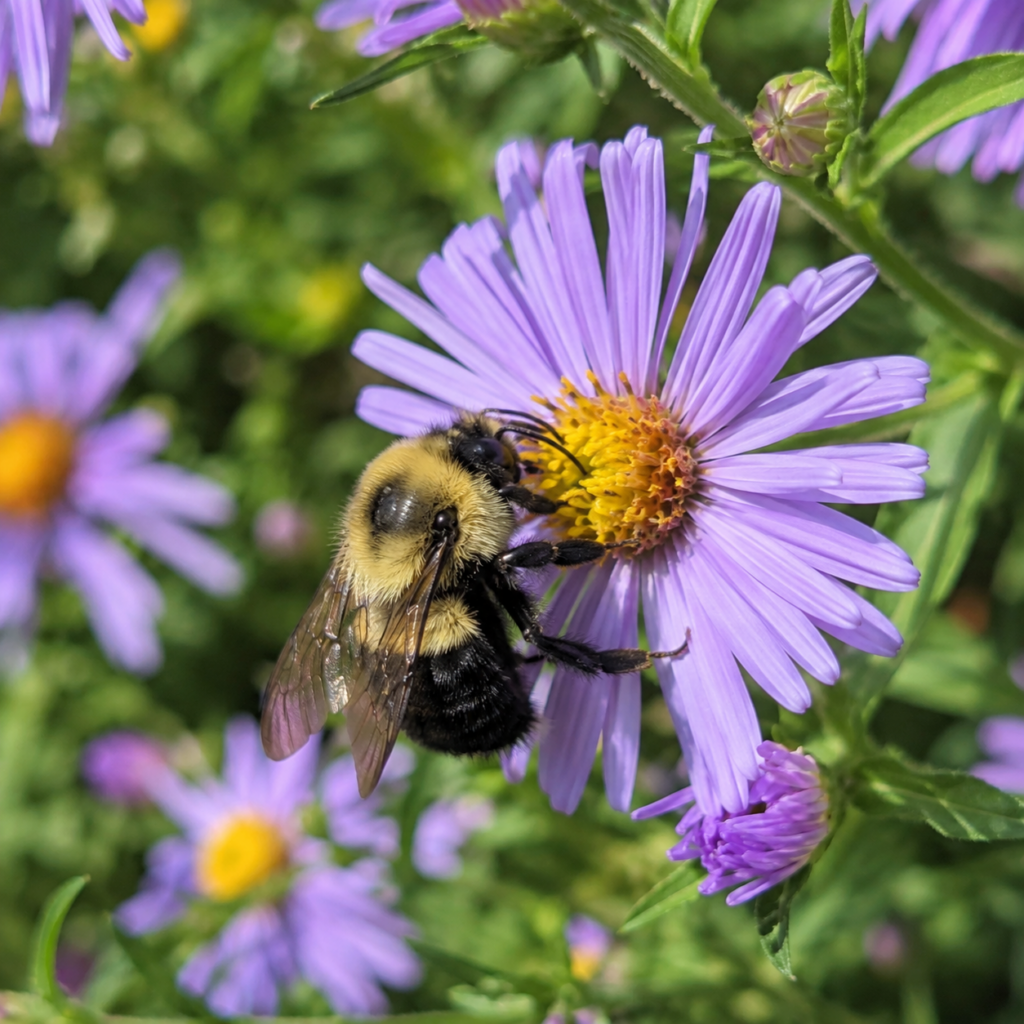
Many homeowners are surprised by the variety of wildlife their yard can support. Bumblebees, mason bees, monarch butterflies, hummingbirds, chickadees, goldfinches, tree frogs, dragonflies, and lightning bugs all benefit from thoughtfully designed landscapes. Birds are especially valuable because they consume thousands of insects while raising their young. Native plants support healthy insect populations, which in turn provide food for birds and other wildlife.

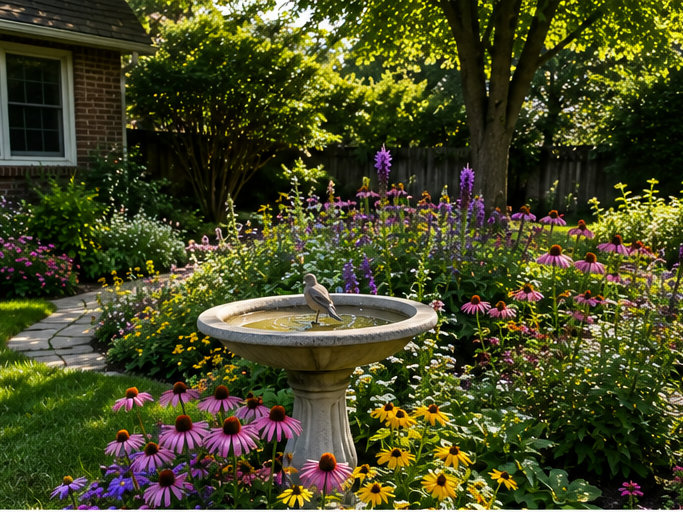
One simple way to attract more wildlife is to plant a variety of flowers that bloom from spring through fall. Early-blooming shrubs feed pollinators emerging after winter, while late-season flowers help insects prepare for colder weather. Native favorites that perform well in New Hampshire include coneflowers, black-eyed Susans, bee balm, asters, goldenrod, summersweet, and serviceberry. Adding a shallow birdbath, leaving a few seed heads standing through winter, and reducing pesticide use can dramatically increase the number of birds, butterflies, and beneficial insects visiting your yard.

Easy Ways to Attract More Wildlife

You don’t need acres of land to create a wildlife-friendly landscape. Even a modest yard can become an important habitat with a few thoughtful choices:

  • Plant native trees, shrubs, and perennials.
  • Include flowers that bloom in spring, summer, and fall.
  • Leave a small patch of ornamental grasses or leaf litter for overwintering insects.
  • Provide fresh water with a shallow birdbath or small water feature.
  • Avoid broad-spectrum pesticides whenever possible.
  • Add berry-producing shrubs to feed birds in fall and winter.

A Few Tips!

Fireflies are becoming less common in many areas due to habitat loss, excessive outdoor lighting, and pesticide use. Leaving small areas of taller grass, preserving leaf litter, and planting native flowers and grasses can help provide the shelter they need to thrive.

A landscape that welcomes wildlife is often healthier, more colorful, and easier to maintain. Native plants are naturally adapted to New Hampshire’s climate, so they typically require less watering, fewer chemical treatments, and less maintenance once established. By creating habitat for pollinators, birds, and other beneficial wildlife, you’re not only making your yard more enjoyable, you’re helping support the local ecosystem for years to come.

Plant for All Seasons

Choose plants that provide food throughout the year.

  • Spring: Serviceberry, redbud
  • Summer: Bee balm, coneflower, summersweet
  • Fall: Asters, goldenrod, sedum
  • Winter: Inkberry holly, winterberry, red twig dogwood

Create Layers

Wildlife prefers landscapes with different heights.

  • Groundcovers
  • Perennials
  • Shrubs
  • Small ornamental trees
  • Mature shade trees

This layered approach provides nesting sites, shelter, and food for many different species.

Pro Tip for New Hampshire Homeowners

If you only have room to add one new plant this year, choose a late-blooming native aster or goldenrod. These plants provide one of the last major nectar sources of the season, helping bees and butterflies build the energy reserves they need before winter, while also bringing vibrant color to your landscape when many other flowers have finished blooming.

Thanks for Reading! Leave a comment and tell us about what kind of wildlife you’d love to attract to your property!

09 Aug 2026

Dog-Friendly Landscaping: Which Plants Are Safe and Which Should You Avoid?

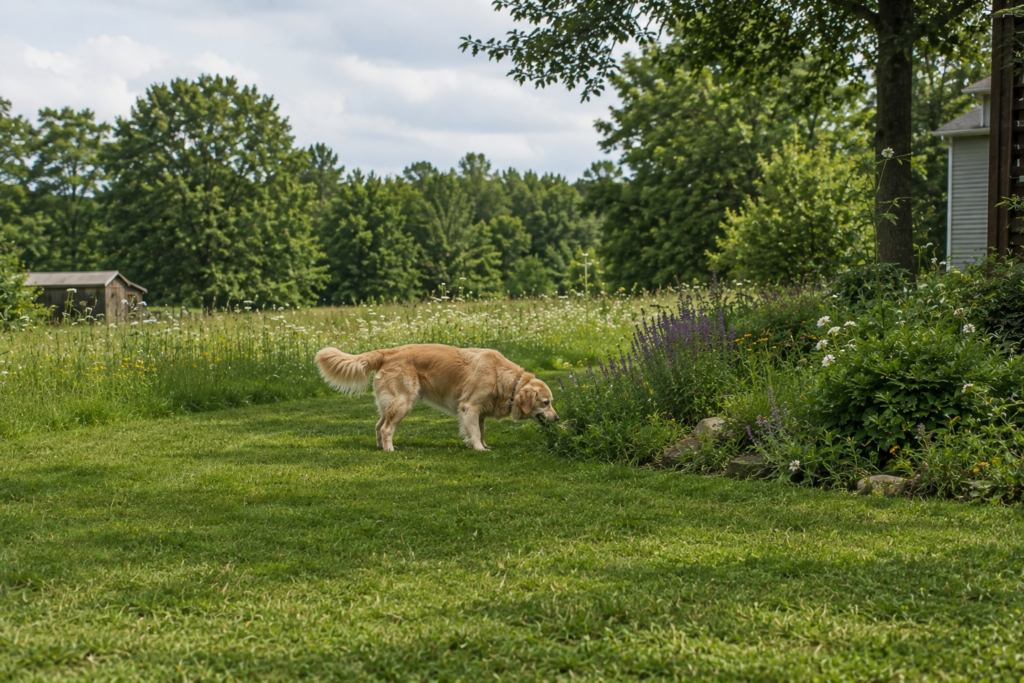
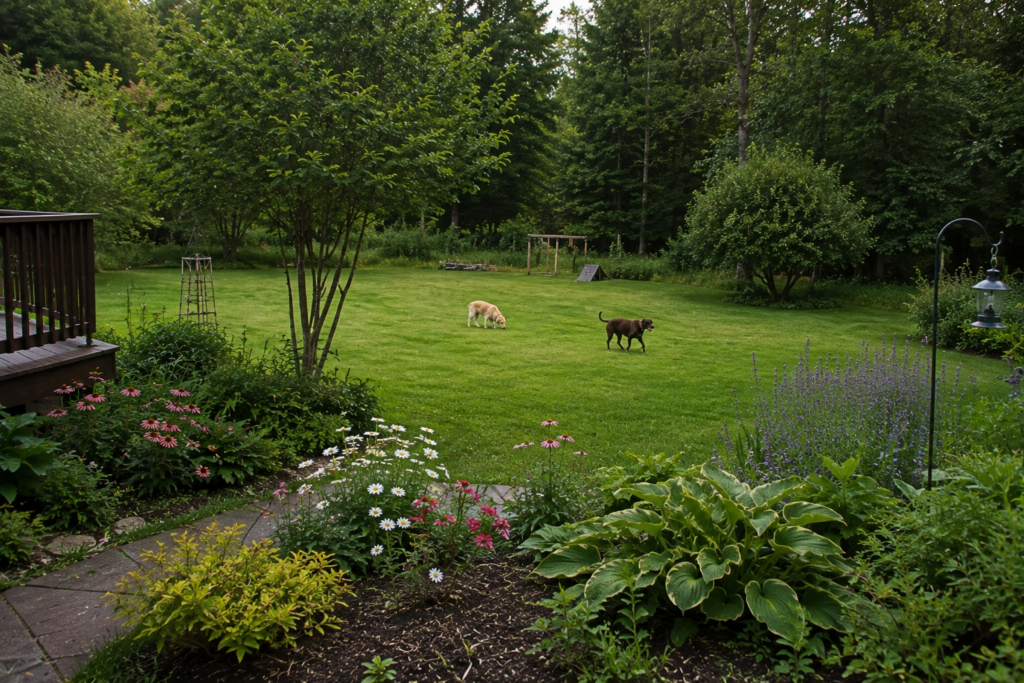
If your dog enjoys spending time in the yard, it’s worth taking a closer look at the plants growing around your home. While many shrubs, flowers, and trees are perfectly safe, others can cause anything from mild stomach upset to serious health problems if chewed or eaten. Fortunately, creating a beautiful New Hampshire landscape doesn’t mean you have to sacrifice your pet’s safety. By choosing dog-friendly plants from the start, you can enjoy a landscape that’s both attractive and worry-free.
Some Examples of Pet Safe Plants

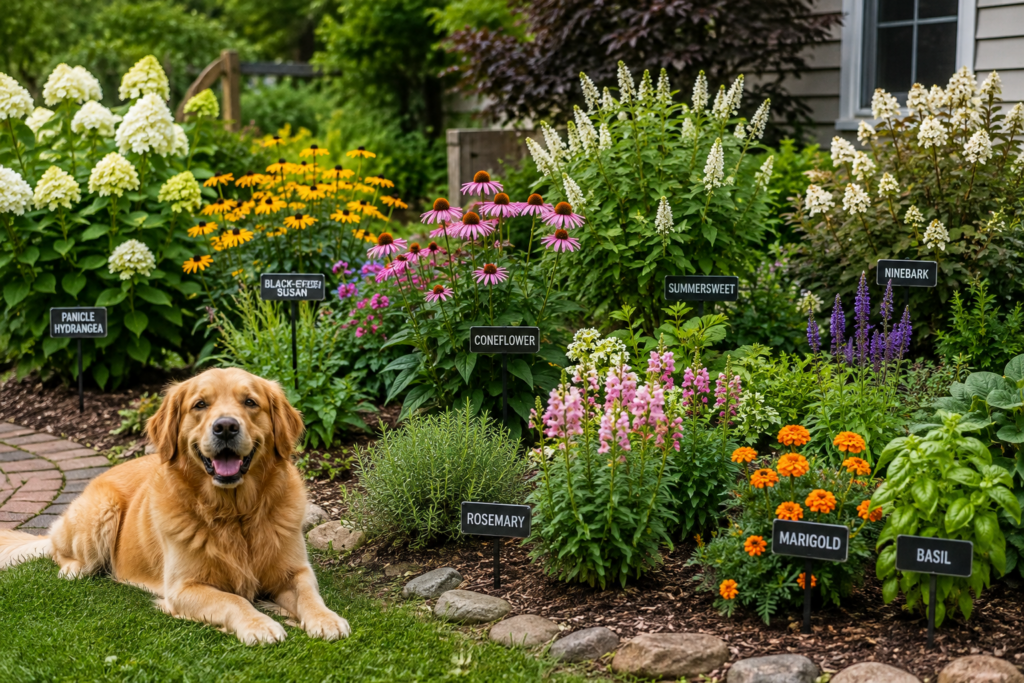
Some excellent dog-safe plants for New Hampshire gardens include panicle hydrangeas (generally considered less toxic than other hydrangea species but still best kept out of reach if possible), roses, snapdragons, sunflowers, zinnias, asters, marigolds, and native shrubs like summersweet and ninebark. For evergreen structure, inkberry holly is considered a safer choice than many traditional hollies because its berries are less attractive to pets, although it’s still best to discourage chewing. Herbs such as basil, rosemary, thyme, and parsley are also safe for dogs and can add fragrance and function to your landscape. One little-known tip is to plant ornamental grasses around garden beds. Many dogs naturally prefer walking through grass rather than flower beds, helping protect your plants without the need for fencing.

Caution Around Pets

On the other hand, several popular landscape plants should be used with caution around pets. Azaleas and rhododendrons can be highly toxic, even in small amounts. Lilies, daffodils, foxgloves, yew shrubs, autumn crocus, and castor bean plants can also pose serious health risks if ingested. Spring flowering bulbs deserve special attention because curious dogs often dig them up before they bloom. If you enjoy these plants, consider placing them in fenced gardens or containers that are difficult for pets to access.

Generally Safer for DogsPlants to Avoid
RosesAzaleas
SnapdragonsRhododendrons
SunflowersFoxglove
ZinniasAutumn Crocus
MarigoldsYew
AstersCastor Bean
SummersweetLily species
NinebarkDaffodils (especially bulbs)
Herbs like basil, thyme, parsleySago Palm (not hardy in NH but common in containers)

Pet Safety, Beyond your Plants

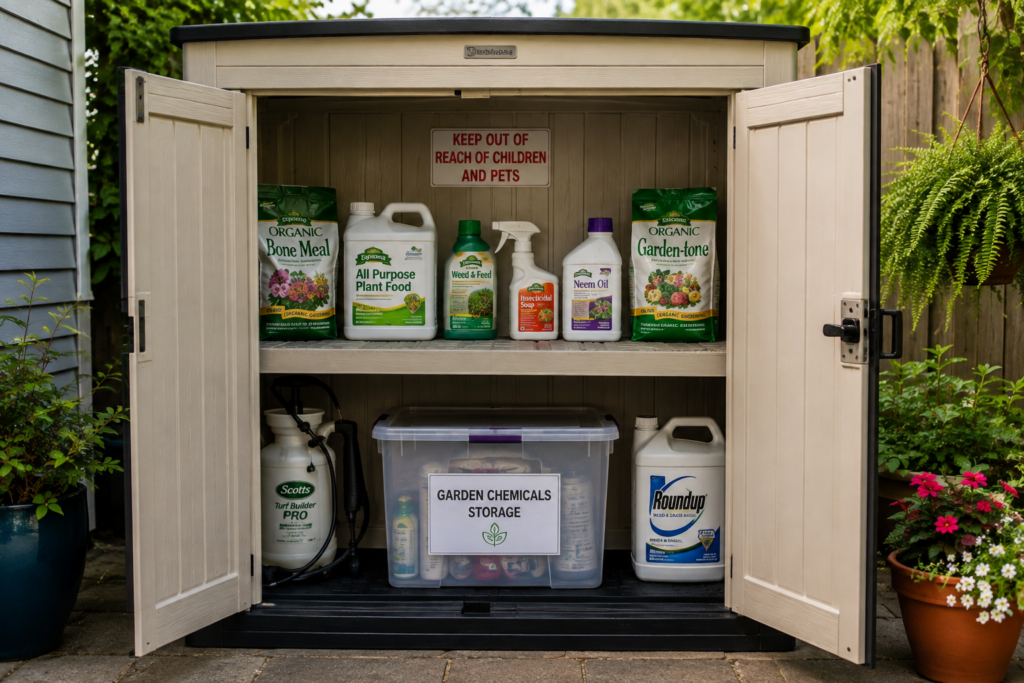
A pet-friendly landscape is about more than just selecting safe plants. Avoid cocoa mulch, which contains compounds similar to those found in chocolate and can be harmful if eaten. Keep fertilizers, herbicides, and pesticides stored securely, and always follow label directions before allowing pets back onto treated areas. Providing a shaded resting spot and a bowl of fresh water can also help keep your dog comfortable while spending time outdoors during New Hampshire’s warm summer months.

Did You Know?

According to the ASPCA Animal Poison Control Center, thousands of calls each year involve pets that have ingested toxic plants. Many of these incidents happen in home landscapes and gardens, making plant selection an important part of creating a safe outdoor space for your family and pets.

Before introducing any new plant into your landscape, it’s always a good idea to verify its pet safety through the ASPCA Animal Poison Control Center online toxic and non-toxic plant database, especially if your dog has a habit of chewing on leaves or digging in garden beds.


The ASPCA Animal Poison Control Center is one of the most trusted resources for identifying toxic plants and other substances that may be harmful to pets.

ASPCA Animal Poison Control Center

Their website includes:

  • A searchable database of toxic and non-toxic plants
  • Information on poisonous foods, medications, and household products
  • Prevention tips
  • Guidance on what to do if you suspect your pet has been poisoned
  • Contact information for their 24/7 Animal Poison Control Center

If you’re looking specifically for plant safety, their searchable database is here:

ASPCA Toxic and Non-Toxic Plants Database

This database is an excellent resource for New Hampshire homeowners who want to verify whether a tree, shrub, flower, or houseplant is safe before adding it to their landscape.

30 Jul 2026

The Best Low-Maintenance Shrubs for New Hampshire Landscapes

A beautiful landscape doesn’t have to require hours of maintenance every weekend. One of the easiest ways to create a yard that’s both attractive and easy to care for is by choosing shrubs that naturally thrive in New Hampshire’s climate. Hardy shrubs require less watering, less pruning, and fewer replacements, while still providing color, texture, and curb appeal throughout the year.

Top Low-Maintenance Shrubs for New Hampshire

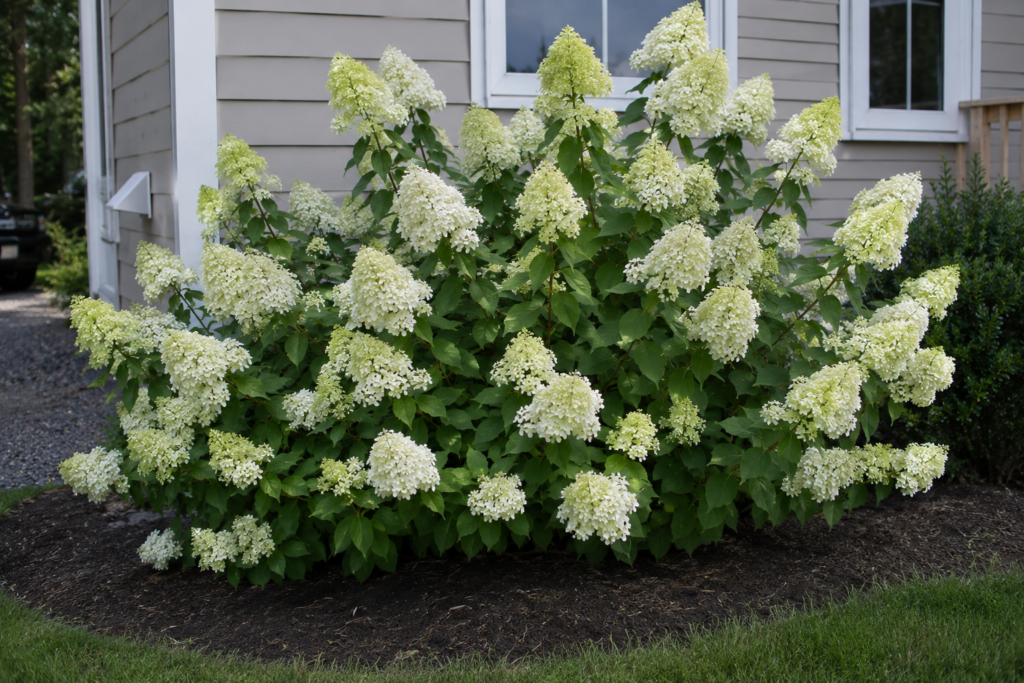
Panicle Hydrangea

Panicle hydrangeas are one of the most dependable flowering shrubs for New Hampshire homeowners. Unlike some hydrangea varieties, they bloom on new wood, meaning they’ll still produce beautiful flowers even after a harsh winter. Their large white blooms begin in midsummer and often last well into the fall.

Best for:
• Foundation plantings
• Accent gardens
• Sunny landscapes


Inkberry Holly

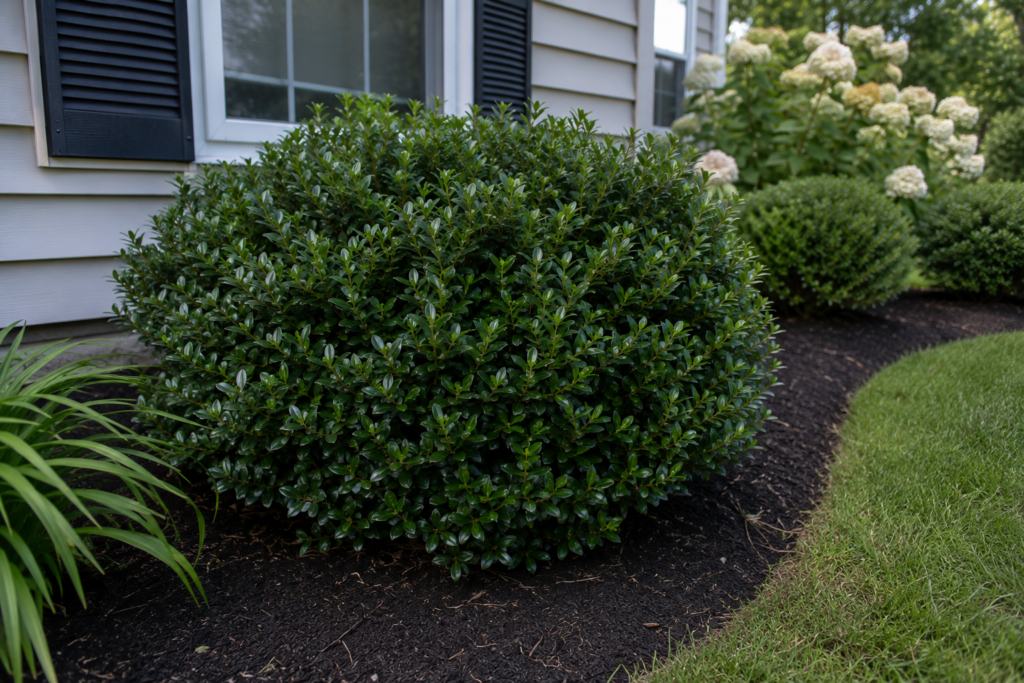
If you like the look of boxwoods but want something more durable, Inkberry holly is an excellent alternative. This native evergreen keeps its dark green foliage year-round and is naturally resistant to many of the pests and diseases that commonly affect boxwoods.

Best for:
• Foundation beds
• Low hedges
• Year-round greenery


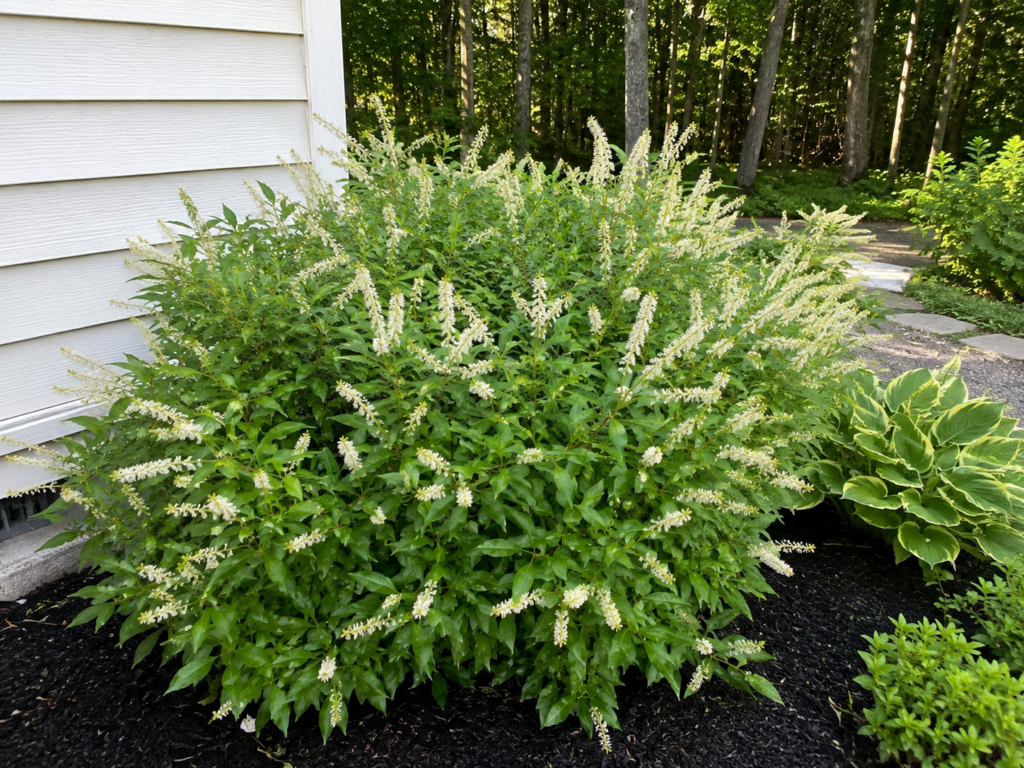
Summersweet

Summersweet is a native shrub that performs especially well in moist soils and partial shade. During mid to late summer, it produces fragrant white flowers that attract butterflies, bees, and other important pollinators.

Best for:
• Rain gardens
• Shady landscapes
• Areas with consistently moist soil


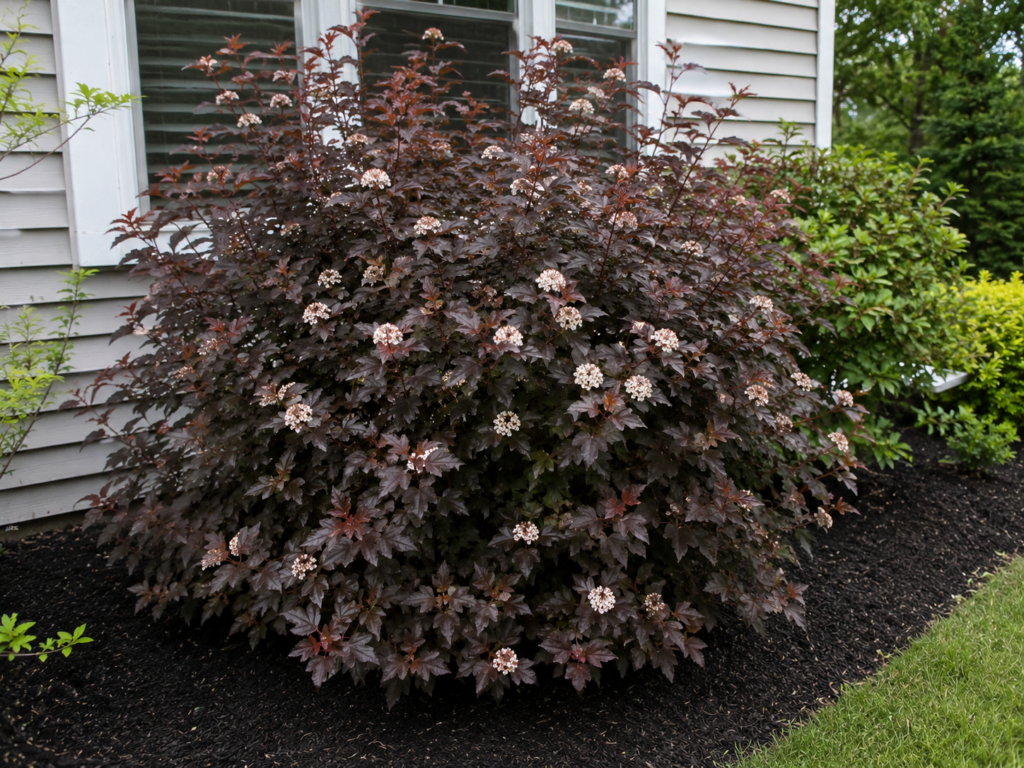
Ninebark

Ninebark provides interest during every season. Its colorful foliage ranges from green to deep burgundy, while its peeling bark adds texture throughout the winter after the leaves have dropped. Once established, it’s extremely hardy and requires very little maintenance.

Best for:
• Accent plantings
• Privacy borders
• Four-season interest


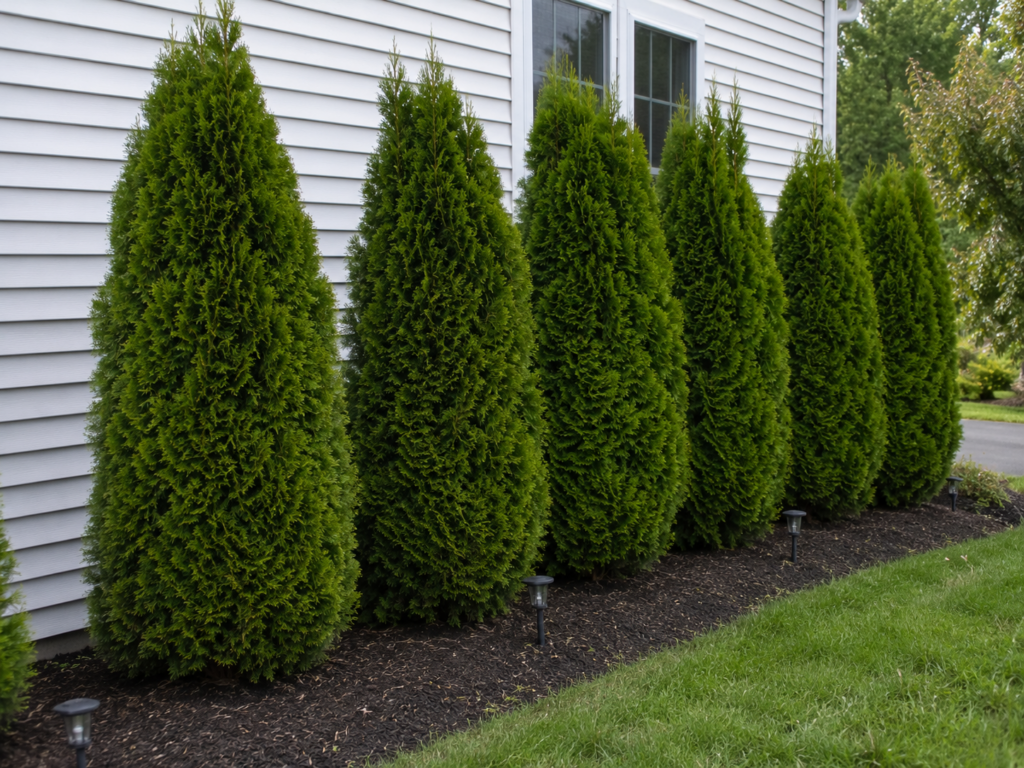
Arborvitae

Arborvitae remains one of the most popular shrubs in New Hampshire for creating privacy screens. It grows relatively quickly, tolerates heavy snow well, and provides year-round color. When planted with enough spacing, arborvitae can last for decades with minimal maintenance.

Best for:
• Privacy screens
• Property borders
• Windbreaks


A Little-Known Tip

Many homeowners stop watering shrubs once the weather cools in the fall. In reality, evergreen shrubs continue losing moisture throughout the winter, even when they’re dormant. Giving arborvitae, inkberry holly, and other evergreens a deep watering before the ground freezes can significantly reduce winter browning and improve their health the following spring.

Give Your Shrubs Room to Grow

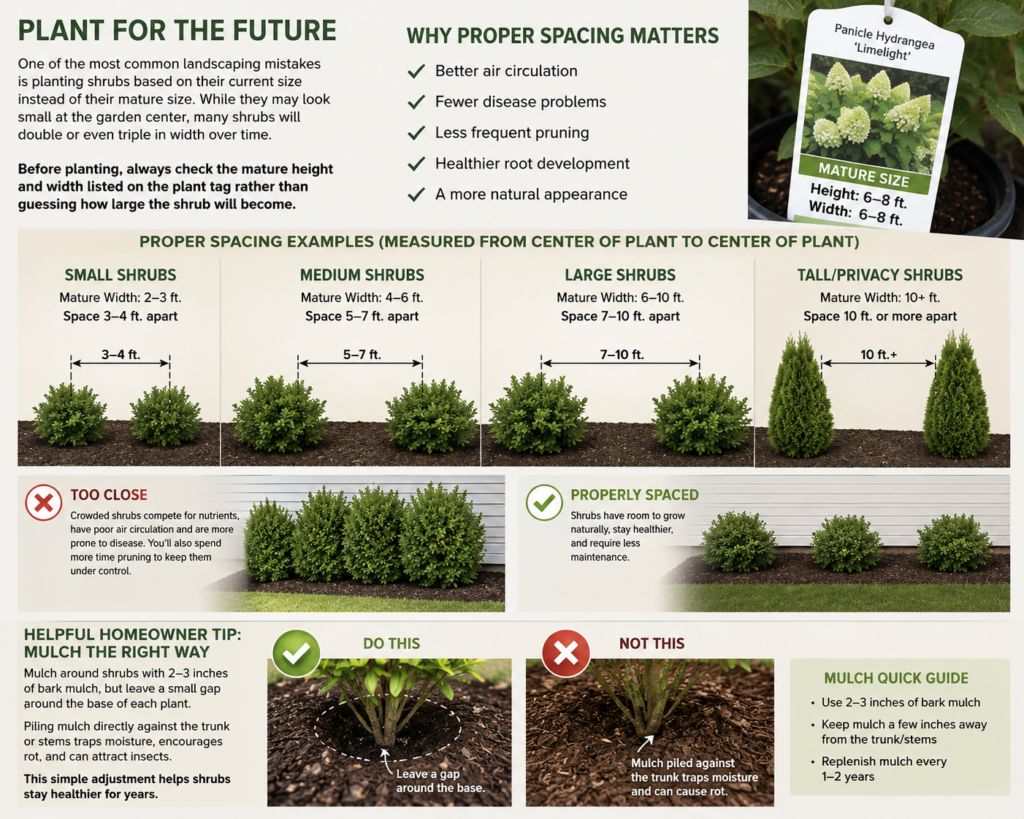
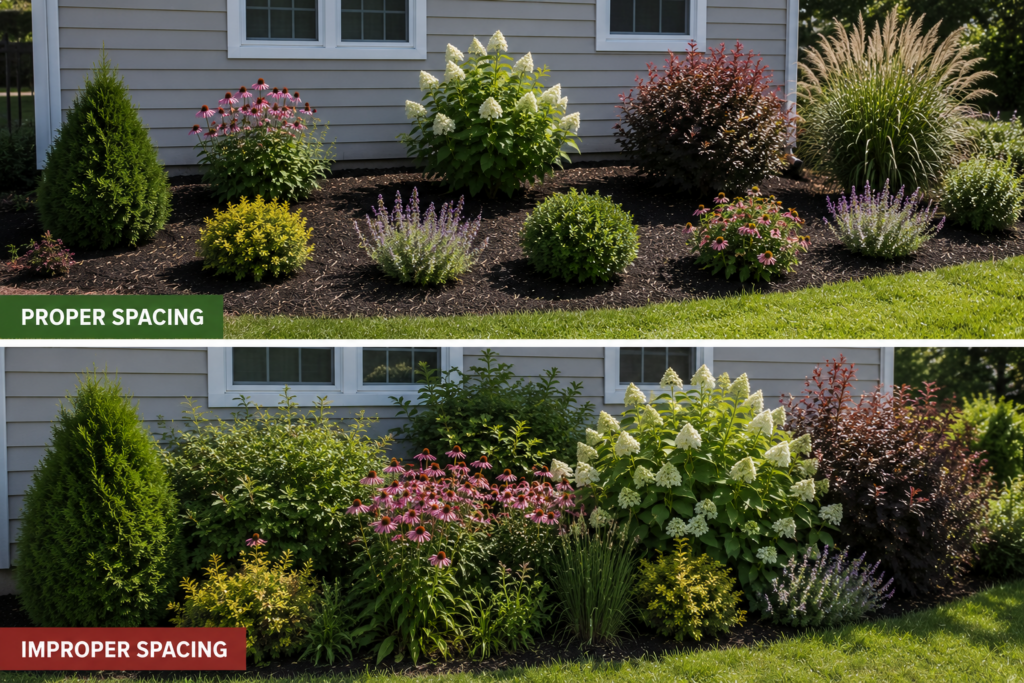
One of the most common landscaping mistakes is planting shrubs based on their current size instead of their mature size. While they may look small at the garden center, many shrubs will double or even triple in width over time. Before planting, always check the mature height and width listed on the plant tag rather than guessing how large the shrub will become.

Proper spacing offers several benefits:

• Better air circulation
• Fewer disease problems
• Less frequent pruning
• Healthier root development
• A more natural appearance

Helpful Homeowner Tip: Mulch around shrubs with two to three inches of bark mulch, but leave a small gap around the base of each plant. Piling mulch directly against the trunk or stems traps moisture, encourages rot, and can attract insects. This simple adjustment helps shrubs stay healthier for years.


Why Choosing the Right Shrubs Matters

Choosing shrubs that are naturally adapted to New Hampshire’s climate is one of the best investments you can make in your landscape! You’ll spend less time watering, pruning, and replacing struggling plants while enjoying healthier gardens and consistent curb appeal throughout every season. By selecting the right plant for the right location, your landscape will look better, require less work, and continue adding beauty to your home for years to come!

Home gardening is a $79 billion industry. Despite fewer households gardening in recent years, Americans spent a record $79 billion on lawn and garden products in 2025, showing that homeowners continue investing in landscapes that are attractive and easier to maintain.

Leave us a comment about your next landscaping project and let us know how we can help!

22 Jul 2026

Late Summer Landscaping: Preparing for Autumn

As summer begins to wind down, now is the perfect time to prepare your landscape for the next season. Late August and early September are some of the best months of the year for lawn recovery and landscape improvements in New Hampshire. Taking care of a few key tasks now can help repair damage from summer heat while setting your lawn and gardens up for a healthier fall and an even stronger spring next year.


End of Summer Lawn Care

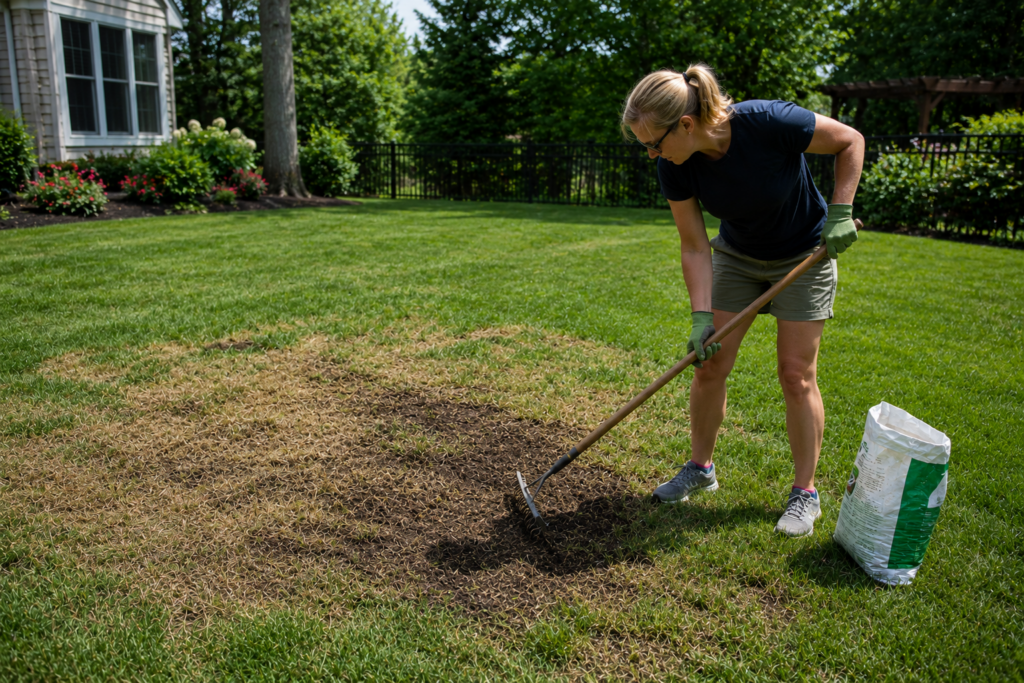
One of the first things to check is your lawn. If the summer heat has left behind thin areas or brown patches, don’t rush to reseed just yet! Wait until daytime temperatures begin to cool, then overseed those problem spots while the soil is still warm.

This combination of warm soil and cooler air creates excellent conditions for grass seed to germinate. Before seeding, loosen the top inch of soil with a rake. This simple step greatly improves seed-to-soil contact and often leads to better results than simply scattering seed over existing grass!


Adjust Sprinklers, Refresh Mulch, Remove Weeds

Late summer is also an excellent time to inspect your irrigation system before fall arrives. Look for sprinkler heads that have shifted, clogged nozzles, or areas that consistently stay too wet or too dry. For a more information about irrigation checks, click here to visit another post where we talk all about it! Making adjustments now allows your lawn to recover while temperatures are still warm.

At the same time, refresh any mulch that has thinned over the summer and remove weeds before they have a chance to drop seeds for next year. A fresh layer of mulch can also help keep soil temperatures more consistent during the transition into cooler weather.


Deeply Water Trees and Shrubs

Don’t forget about your trees and shrubs. While lawns often receive most of the attention, woody plants continue developing roots well into the fall. Deep watering during dry periods can help them enter winter in better condition. It’s also a good time to remove dead branches, inspect for storm damage, and keep fallen leaves from piling up around the base of plants. One little-known tip is to avoid heavy pruning in late summer. Pruning encourages tender new growth that may not have enough time to harden off before the first frost, making it more vulnerable to winter damage.

Preparing your landscape now can save time and money later. Small maintenance tasks completed before fall often prevent larger problems in the spring. Whether it’s repairing irrigation, refreshing mulch, planning for aeration, or getting ready to overseed, a little attention now helps your entire landscape transition smoothly into the next season.


Late Summer Pro Tips

• Walk your yard after a heavy rain. Areas that stay soggy for more than 24 hours are good candidates for drainage improvements before winter and next spring’s snowmelt.

• Mark sprinkler heads with small landscape flags before leaves begin falling. They are much easier to find when it’s time to winterize your irrigation system.

• If your lawn struggled this summer, consider having a soil test done before applying fall fertilizer. Many lawn problems are caused by nutrient imbalances or soil pH rather than a lack of fertilizer.

• Take photos of your garden beds while everything is still growing. It’s much easier to remember where perennials are located when planning spring planting or dividing plants next year.

• Start removing weeds now, even if they seem harmless. Many common New Hampshire weeds produce thousands of seeds in late summer that can become next year’s biggest lawn and garden problem.


10 Jul 2026

Mid-Summer Landscape Checks For Seasonal Care

By the middle of summer, your landscape has been through spring growth, heavy rains, and some of the hottest weather of the year. It’s the perfect time to walk around your property and look for small problems before they become expensive ones. Most inspections take less than 30 minutes and can help keep your lawn and gardens looking their best through the rest of the season.


1. Check for Heat-Stressed Grass

Brown patches don’t always mean your lawn is dying. Many New Hampshire lawns naturally go dormant during periods of hot, dry weather to conserve water. Look for footprints that remain visible after walking across the lawn. If they do, it’s usually time for a deep watering.

Quick Tip: Water early in the morning. Your lawn will absorb more moisture before the day’s heat causes it to evaporate.

For more Summer Lawn Care advice, please read our previous blog post on the topic here!


2. Inspect Your Irrigation System

Turn on each irrigation zone and watch it run for a few minutes. Look for clogged sprinkler heads, broken nozzles, leaks, or sprinklers watering sidewalks instead of your lawn.

Pro Tip: Place a few empty tuna cans around your lawn while the sprinklers are running. If the water levels are noticeably different, your irrigation system may need adjusting.


3. Refresh Your Garden Beds

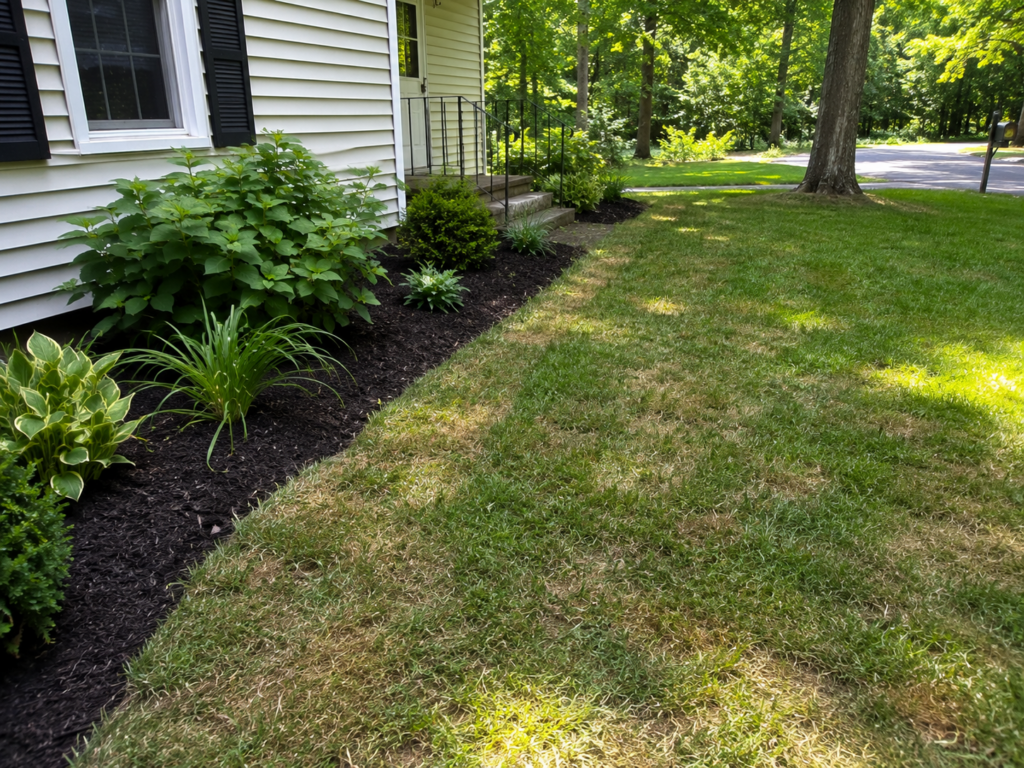
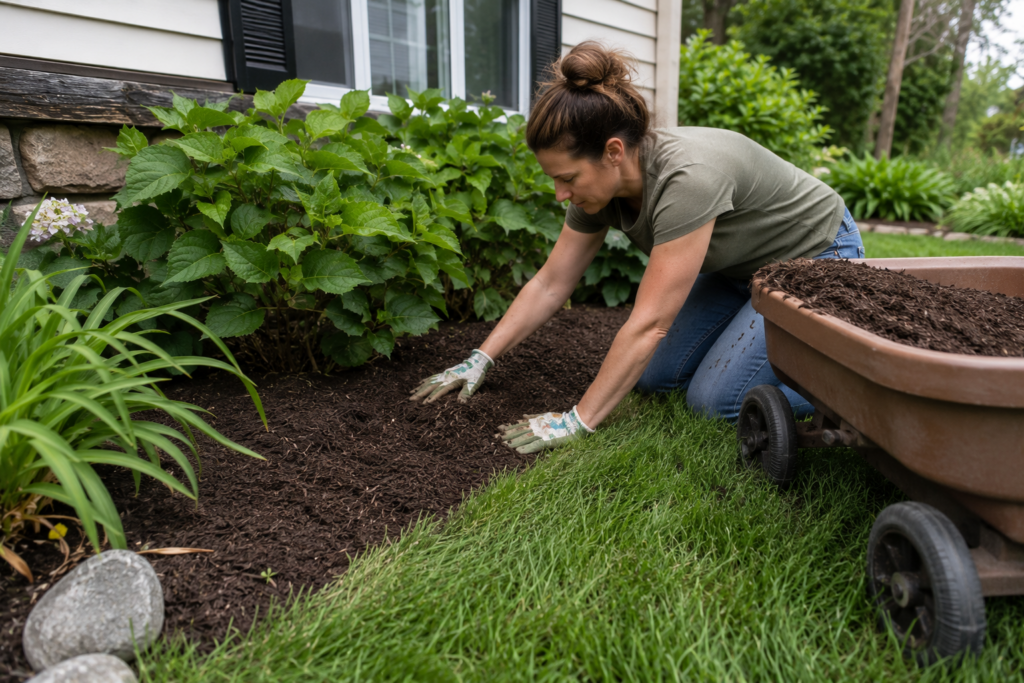
Summer storms and watering can wash away mulch over time. If you notice bare soil beginning to show, adding a thin layer of fresh mulch can help conserve moisture, reduce weeds, and give your landscape an instant refresh. If you’re interested in learning more about this Summer Gardening, be sure to read our complete guide here! It includes additional tips, common mistakes to avoid, and practical advice for New Hampshire homeowners.

Landscaping Hack: A quick mulch touch-up often makes an entire property look freshly landscaped without spending much time or money.


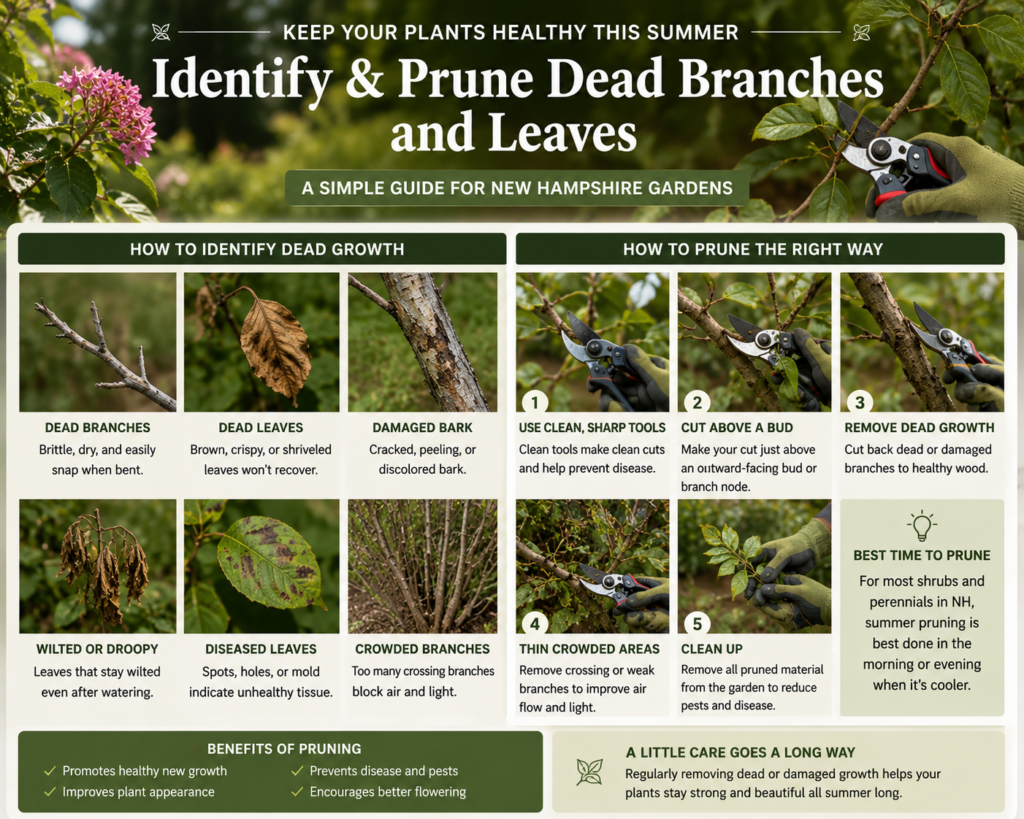
4. Look for Dead or Damaged Branches

Summer heat and storms can leave trees and shrubs with broken or dead branches. Removing damaged growth improves appearance and helps reduce potential hazards.

Quick Check: If a small branch snaps easily and is brown inside, it’s likely dead and ready to be pruned.


5. Watch for Weeds Before They Spread

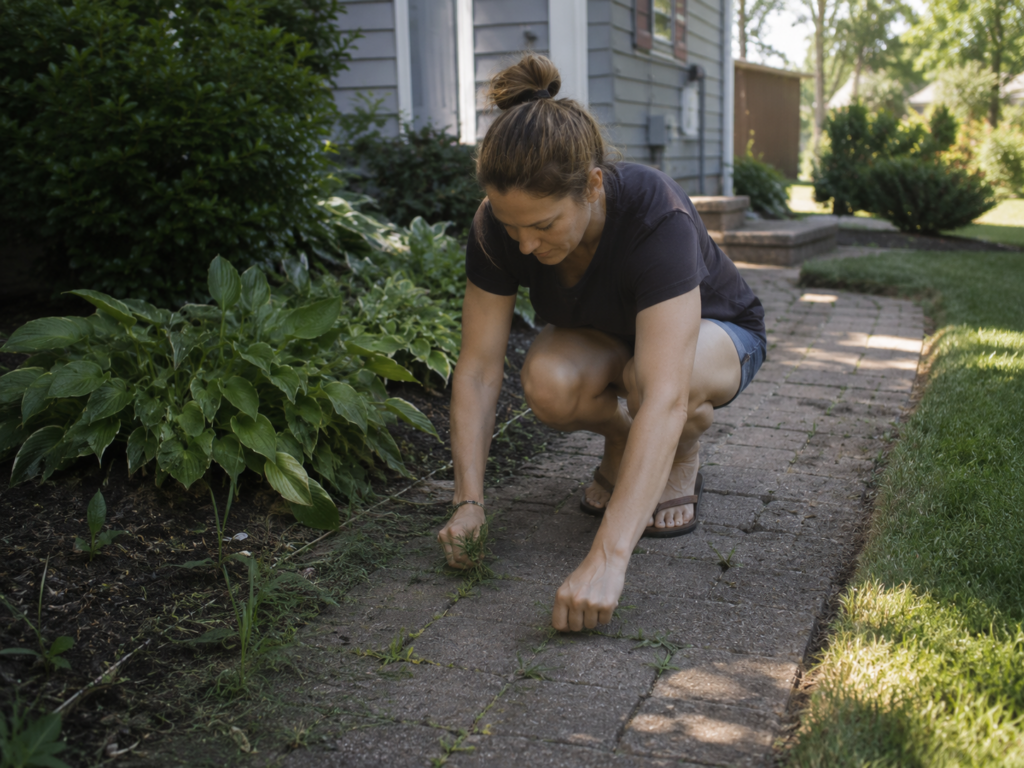
A few weeds are much easier to remove than a yard full of them. Check along walkways, garden edges, and driveway cracks where weeds often begin spreading.

Easy Hack: Pull weeds after a rainfall. Moist soil allows the entire root system to come out much more easily.


6. Check for Standing Water

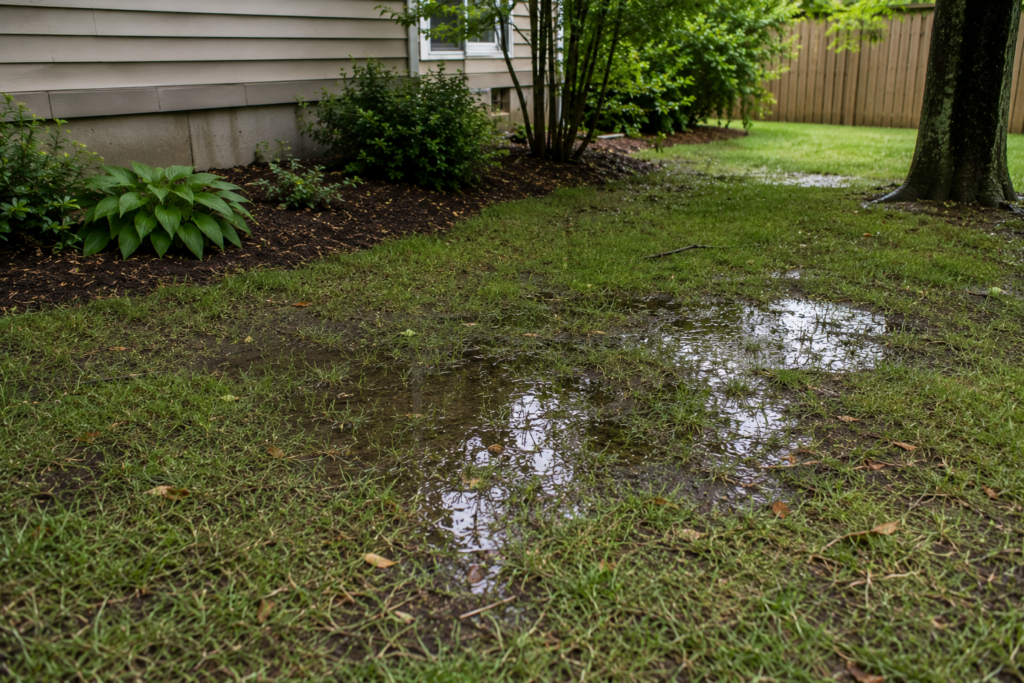
Even in summer, heavy thunderstorms can reveal drainage problems. Look for puddles that remain a day or two after rainfall. These areas may benefit from improved grading, a catch basin, or a French drain.

Pro Tip: Take a picture after the next heavy rain. It makes identifying drainage patterns much easier later.


7. Inspect Trees and Shrubs for Signs of Stress

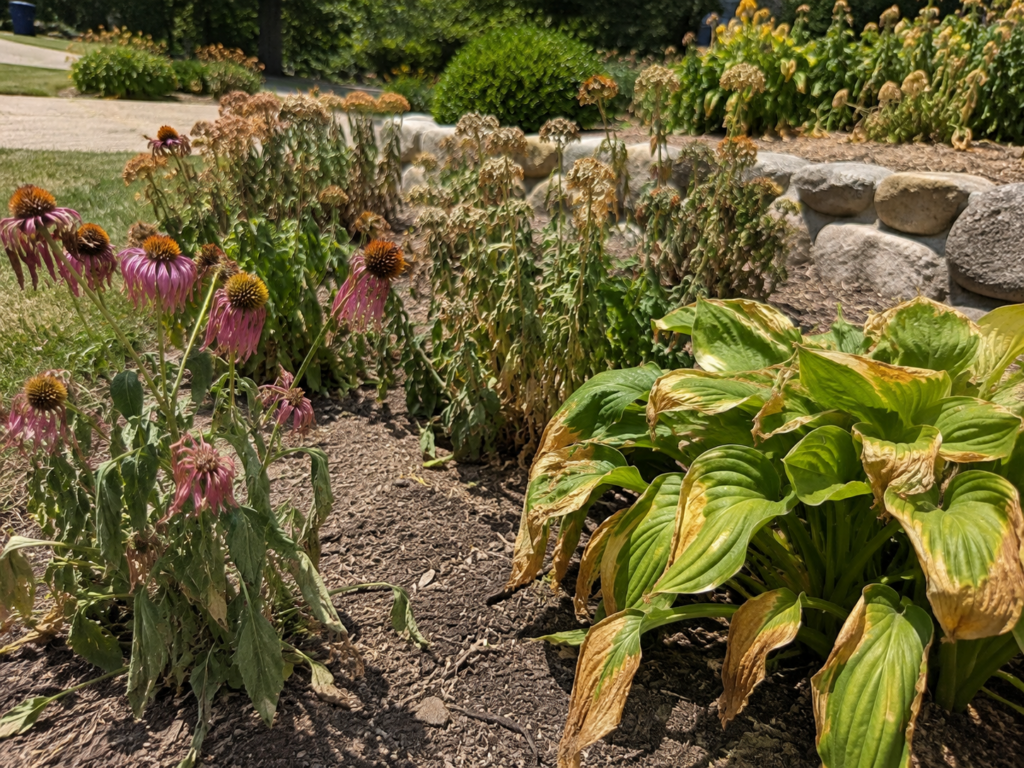
Wilted leaves, scorched edges, or early leaf drop can indicate heat stress or inconsistent watering. Young trees often need extra attention during dry periods because their root systems haven’t fully developed.

Little-Known Fact: Trees usually benefit more from one deep soaking each week than a light watering every day.


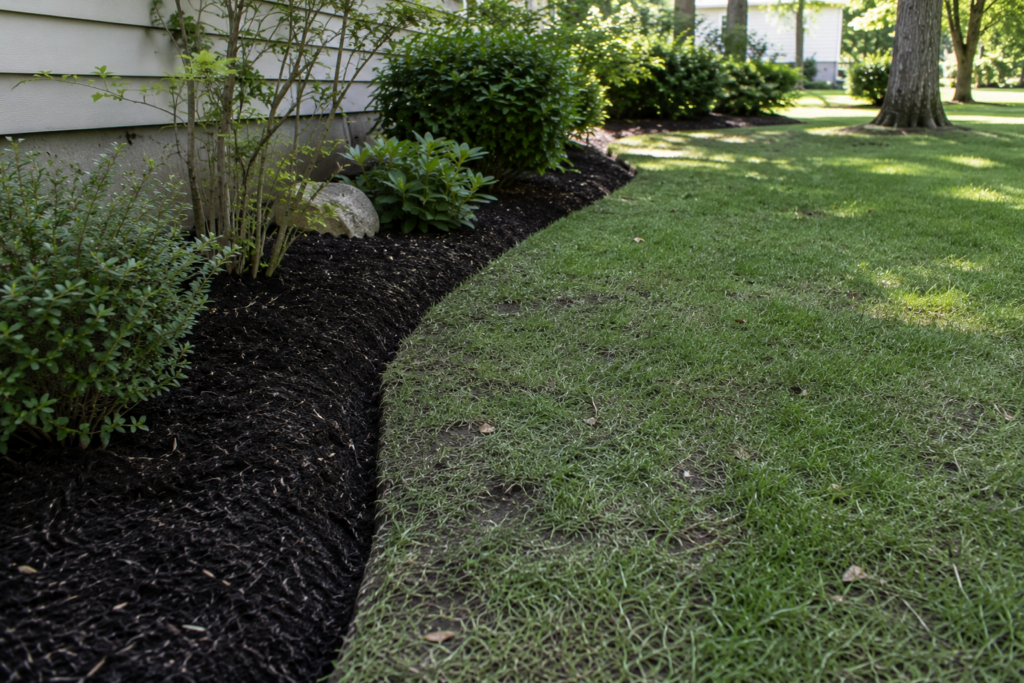
8. Edge Overgrown Beds

Grass naturally creeps into garden beds throughout the growing season. Redefining your bed edges creates one of the biggest improvements in curb appeal with very little effort.

Pro Tip: A sharp edge between your lawn and mulch can make an average landscape look professionally maintained.


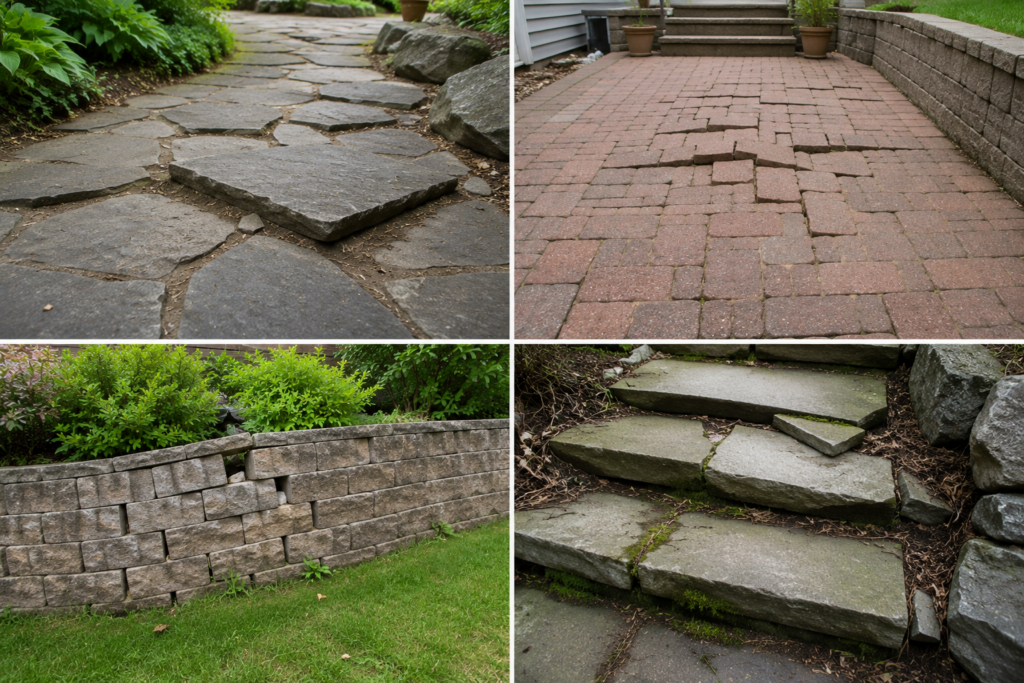
9. Inspect Hardscapes

Take a look at walkways, patios, retaining walls, and paver edging. Small shifts, loose stones, or uneven pavers are easier to repair now than after another New Hampshire winter.

Quick Tip: Pull any weeds growing between pavers before they establish deeper roots and begin separating the joints.


10. Make a Plan for Late Summer

Now is a great time to start thinking ahead. Late August and early fall are some of the best times in New Hampshire for overseeding, lawn repairs, fertilizing, and planting many trees and shrubs.

Planning Ahead: Making a short list of projects now can help you take advantage of ideal planting conditions when cooler weather arrives.

Your Mid-Summer Walkaround Could Save You Time Later

Most landscape problems don’t happen overnight. They start small and become noticeable only after weeks of heat, rain, or regular use. Spending a few minutes inspecting your property this time of year can help you catch issues early, keep your lawn healthier, and make your outdoor spaces more enjoyable for the rest of the summer. Sometimes the simplest habit, taking a walk around your yard with a fresh set of eyes, is the best landscaping tool you have.

As you enjoy your yard this summer, remember that taking care of your landscape starts with taking care of yourself. New Hampshire heat and humidity can make even simple gardening tasks more demanding than they seem. Drink plenty of water, take breaks in the shade, wear sunscreen, and save heavier projects for the cooler morning or evening hours whenever possible. Your lawn and garden can wait another day if temperatures become too intense. A healthy landscape is built over time, and so is your well-being. Pace yourself, stay safe, and enjoy the season one project at a time!

09 Jul 2026

How To Protect Your Lawn During The Summer Heat

Summer is when New Hampshire lawns face some of their biggest challenges. Long periods of sunshine, high temperatures, and occasional dry spells can leave grass looking brown, thin, or stressed. While it’s normal for many lawns to slow their growth during hot weather, lets discuss a few simple maintenance habits that can help keep your lawn healthier until cooler temperatures return!


Water Deeply and Less Often

One of the most important things you can do is water deeply and less often. Instead of watering every day, give your lawn a thorough soaking one or two times a week, depending on rainfall. This encourages deeper root growth, making the grass more resilient during periods of heat. If possible, water early in the morning when temperatures are cooler and less moisture is lost to evaporation.


Simple Summer Watering Test: Before turning on the sprinkler, walk across your lawn. If the grass springs back after you step on it, it likely has enough moisture. If your footprints remain visible for several minutes, it’s a good sign your lawn is ready for a deep watering. This simple test can help you avoid both overwatering and underwatering while keeping your lawn healthy throughout the summer.


Summer Lawn Mowing

Another way to protect your lawn is to adjust your mowing habits. Raise your mower blade during the summer so the grass stays a little taller. Taller grass shades the soil, helps retain moisture, and naturally reduces weed growth.

Did you know grass clippings are about 80% water? This is why it’s also a good idea to leave grass clippings on the lawn after mowing. They break down quickly and return valuable nutrients and moisture to the soil.

Summer Mowing Tips

  • Pro Tip: During New Hampshire summers, it’s better to mow more often than to mow shorter. Never remove more than one-third of the grass blade at a time. Cutting too much at once can shock the lawn and make it more vulnerable to heat and drought.
  • Little-Known Fact: Taller grass develops deeper roots. By raising your mower blade just half an inch during the hottest part of summer, your lawn can better retain moisture and naturally shade the soil, helping it stay greener during dry spells.
  • Summer Hack: If possible, mow in the early evening instead of the middle of the day. The grass has had time to dry from morning dew, temperatures are beginning to cool, and freshly cut blades experience less heat stress than they would under the afternoon sun.
  • New Hampshire Tip: After several days of extreme heat, it’s okay to skip a scheduled mowing if your lawn isn’t actively growing. Mowing dormant or drought-stressed grass can place additional stress on the plant. Waiting a few days for cooler temperatures or rainfall often results in a healthier lawn.

Less Summer Lawn Care is Actually Better

Finally, avoid putting additional stress on your lawn during extreme heat. Hold off on heavy fertilizing, aggressive dethatching, or overseeding until late summer or early fall when temperatures begin to cool. If your lawn starts turning brown during a heat wave, don’t panic! Many New Hampshire lawns naturally go dormant during extended heat and drought. Dormancy is actually a natural survival mechanism that helps grass conserve water. With proper care, once cooler temperatures and regular rainfall return, many lawns green back up without needing to be replaced. Remember that stressed lawns CAN recover!

Every season brings new challenges for your landscape, and summer is no exception. Understanding how heat affects your lawn helps you make better decisions that can improve its long-term health. A few simple adjustments today can lead to a greener, stronger lawn for the rest of the growing season.

For more summer lawn care advice, check out our other blog posts, or leave us a comment!

01 Jul 2026

Gardening in the Summer Heat: Tips for Success!

Summer heat waves can take a toll on even the healthiest New Hampshire gardens. Wilting flowers, dry soil, and stressed shrubs are common when temperatures climb and rainfall becomes less frequent. The good news is that a few simple maintenance habits can help your landscape stay healthy and attractive until cooler weather returns.

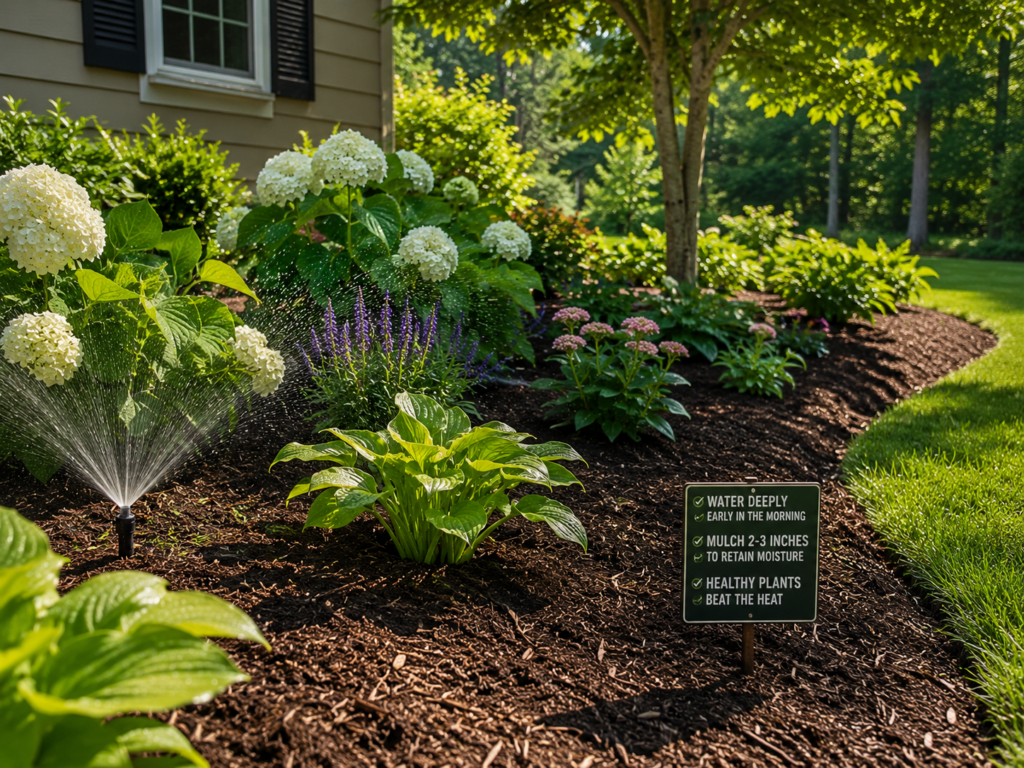
One of the best things you can do is water deeply instead of watering every day. A slow, thorough soaking encourages roots to grow deeper into the soil, making plants more resilient during hot weather!


Add a Fresh Layer of Mulch!

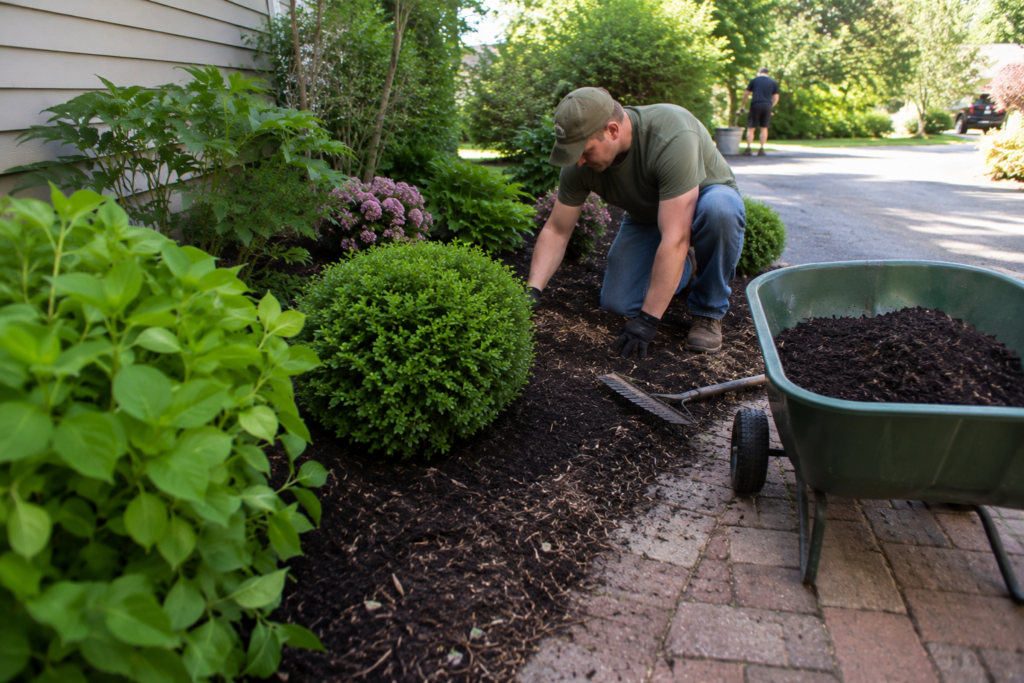
Mulch is another valuable tool during the summer months. A two to three inch layer of mulch helps the soil retain moisture, keeps plant roots cooler, and reduces weed growth that competes for water. If your mulch has thinned out since spring, refreshing it can make a noticeable difference during extended periods of heat.


Remove Dead and Damaged Branches and Leaves

Heat waves are also a good time to avoid unnecessary stress on your plants (and yourself!) Hold off on heavy pruning or fertilizing until temperatures become more moderate, as both can encourage tender new growth that struggles in extreme heat. Instead, remove only dead or damaged branches and keep an eye out for signs of drought stress, such as drooping leaves or browning around the edges.


Self Care During Summer Gardening

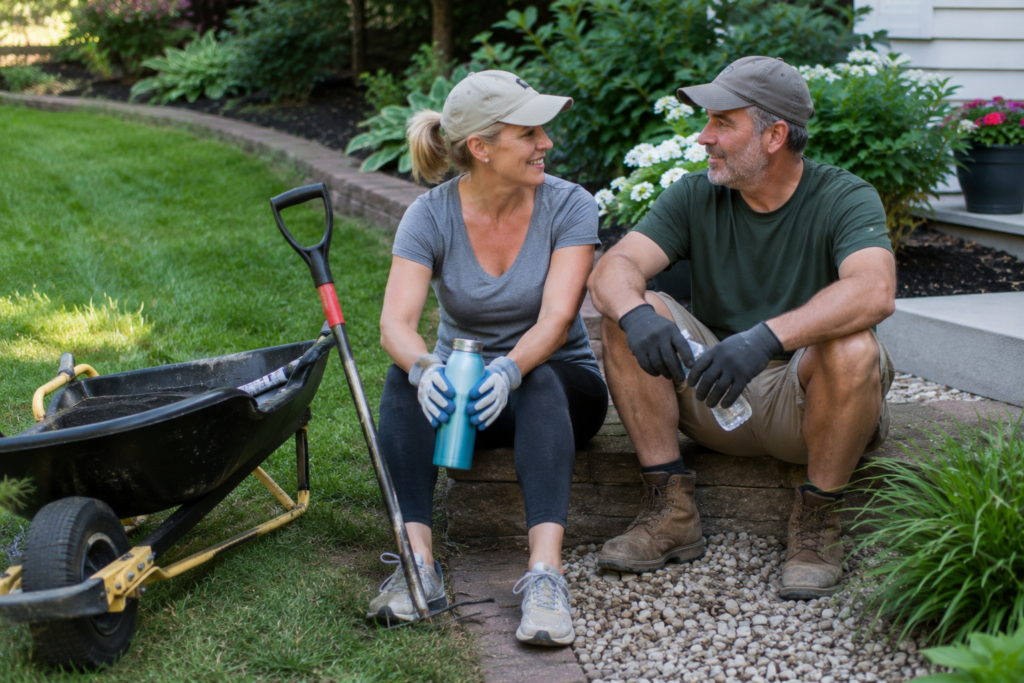
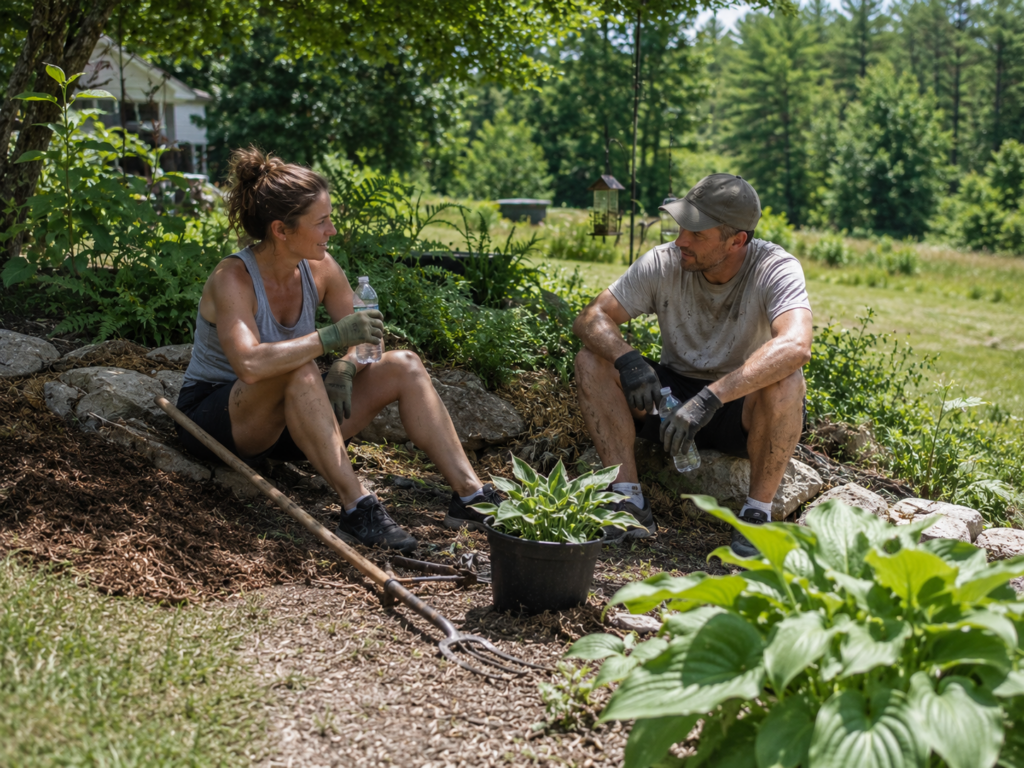
Just as your garden needs a little extra care during a heat wave, so do you. If you’re spending time outside pulling weeds, watering, or spreading mulch, remember to take breaks in the shade, drink plenty of water, and avoid the hottest part of the afternoon whenever possible. Your landscape will still be there when temperatures cool down.

Plan your gardening the same way you plan your watering schedule. Tackle heavier jobs like mulching, pruning, or planting early in the morning or later in the evening when both you and your plants are under less stress. It’s one of the easiest ways to stay comfortable while helping your landscape thrive.


Take Your Time

Summer landscaping projects are no joke, and its very important to remember to take it easy this season! Taking care of yourself first means you’ll have the energy to take care of your yard safely.

Interesting Statistic

According to the National Safety Council, exposure to environmental heat resulted in 48 work-related deaths in 2024, and approximately 7,100 serious workplace heat illness cases (those requiring days away from work, job restrictions, or transfers) during 2023 and 2024. Outdoor workers, including landscapers, are among the occupations at greatest risk.

One of the best reminders during a heat wave is that your landscape doesn’t expect perfection. If it’s too hot for you to safely finish a project today, it’ll still be there tomorrow morning. Healthy gardens are built over time, and so is taking care of yourself.