Spring fertilizing sets the foundation for a strong, healthy lawn. As soil warms, grass roots come out of dormancy and start active growth. Feeding at this stage supplies the nutrients your lawn needs to thicken, green up, and recover from winter stress.
Early fertilizing drives root development. Nitrogen supports blade growth, while phosphorus and potassium strengthen roots and improve resilience. A well-fed lawn fills in bare spots faster and crowds out weeds before they take hold. This reduces the need for heavier treatments later in the season.
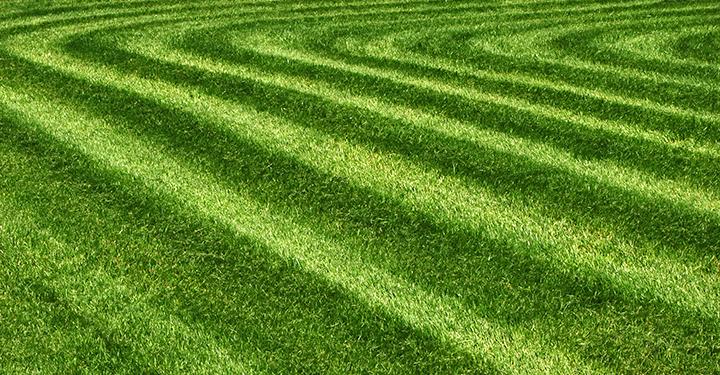
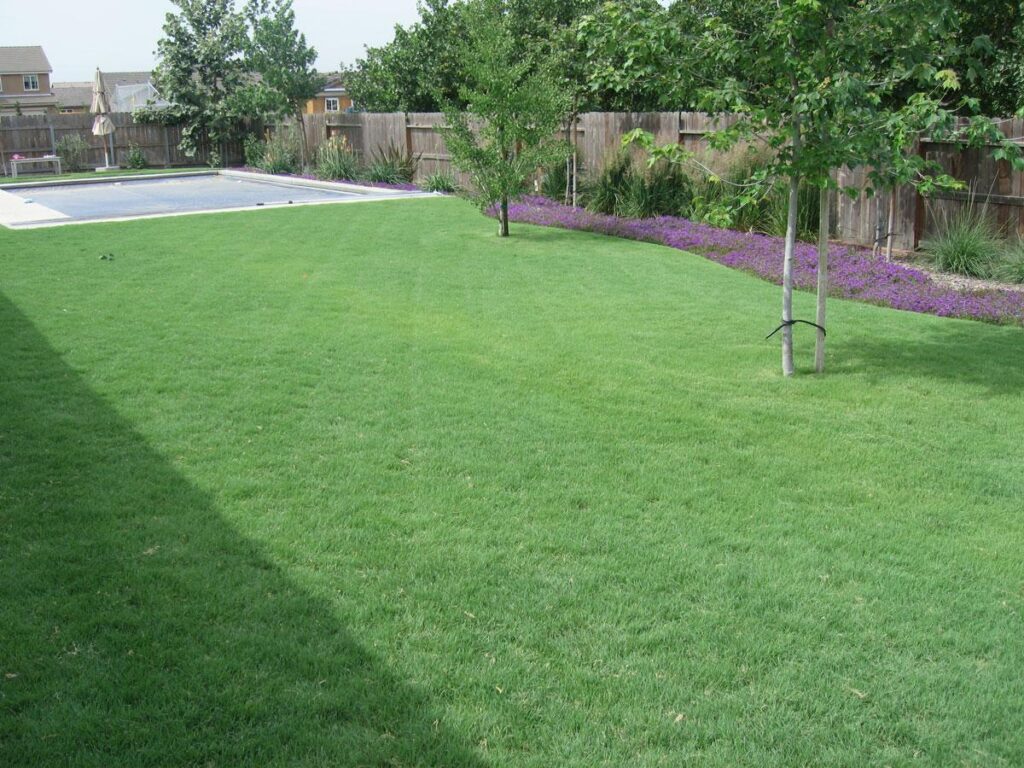
Spring feeding also improves color and density. You see a faster green-up and more uniform coverage across your yard. Thicker turf handles foot traffic better and resists disease. Consistent growth means fewer thin areas that turn into problem spots in summer heat.
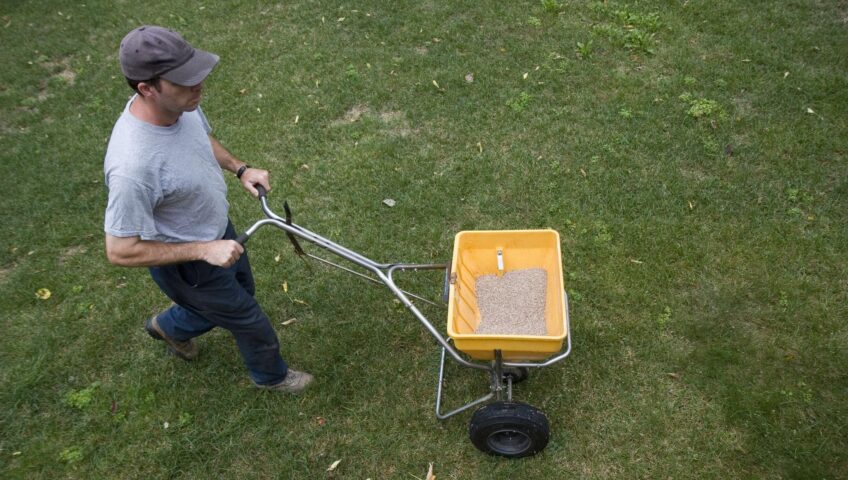
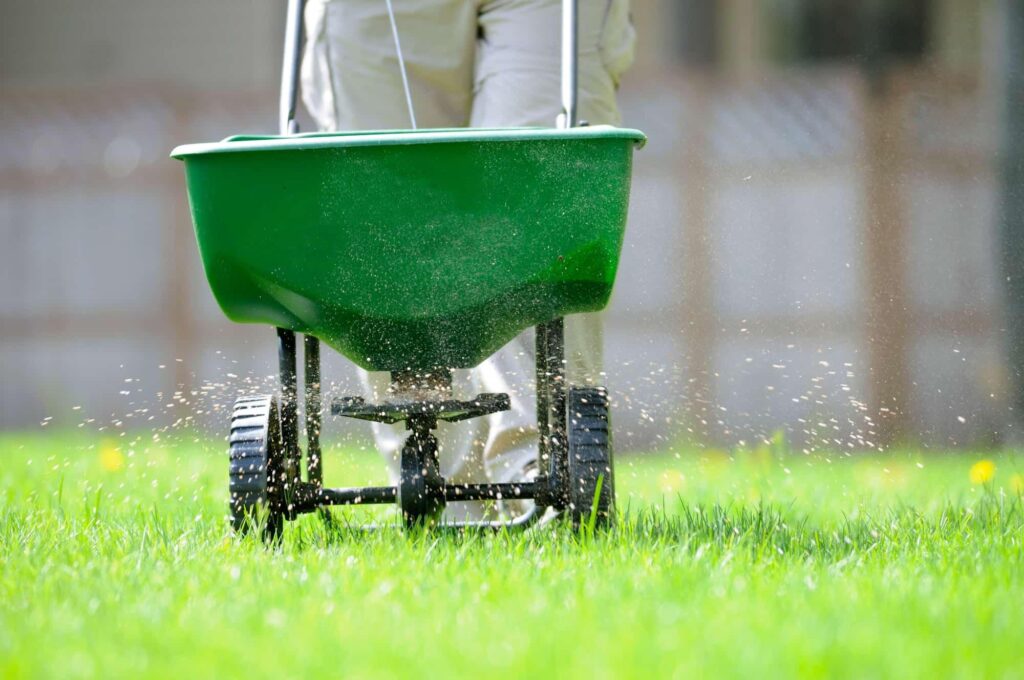
Timing matters. Apply fertilizer when grass begins active growth, not too early when soil is still cold. Slow-release products provide steady feeding without rapid surges that stress the lawn. Pair fertilizing with proper mowing and watering to get the best results.
Spring fertilizing reduces long-term maintenance. A strong lawn needs fewer repairs, fewer weed treatments, and less water to stay healthy. You build a durable yard that holds up through summer and looks better with less effort.
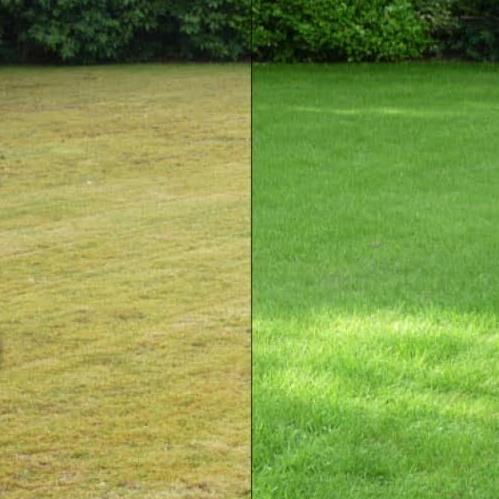
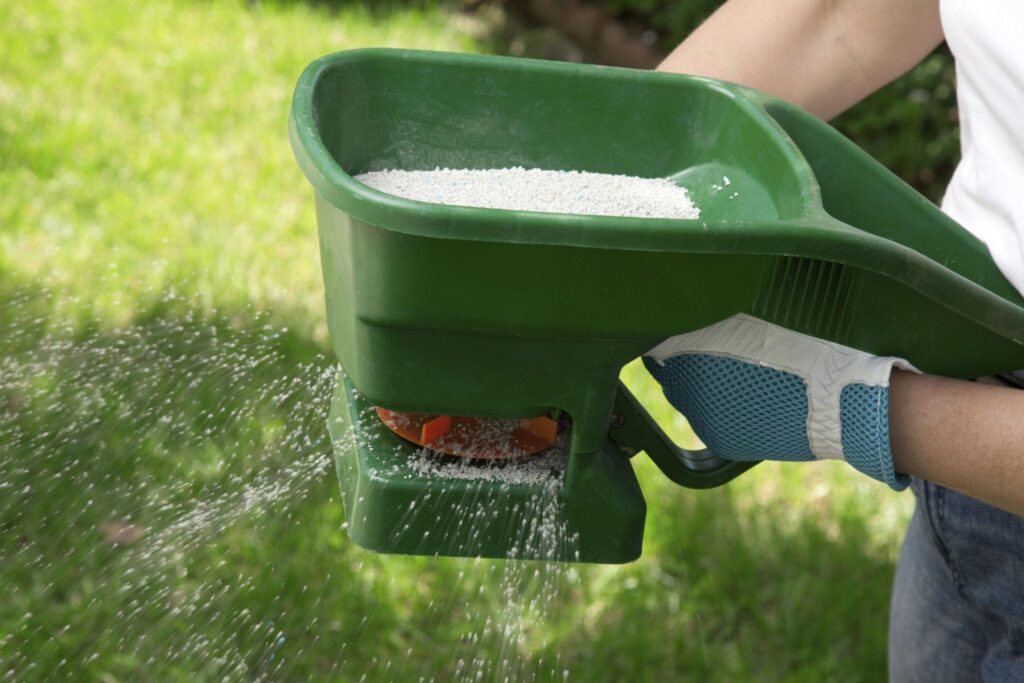
Spring fertilizing builds the base for a healthy lawn. Grass exits winter dormancy with low nutrient reserves. A well-timed application fuels early growth, repairs winter damage, and prepares the turf for heat and foot traffic.
The main benefit is stronger root development. Early nutrients push roots deeper and increase density. A thicker lawn blocks weeds by limiting space and light. You spend less time on weed control later. Improved density also reduces soil erosion and helps the lawn hold moisture.
Choosing the right fertilizer matters. In spring, use a fertilizer with a higher nitrogen content to support blade growth and green-up. Look for a balanced or slightly nitrogen-heavy ratio such as 20-5-10 or 24-0-10. Slow-release nitrogen works best because it feeds the lawn over several weeks and prevents rapid, weak growth. If your soil lacks phosphorus, a starter fertilizer with phosphorus helps root development, especially for new lawns. Potassium supports overall plant health and stress tolerance, so include it if your soil test shows a need.
Spring fertilizing also improves color and recovery. Lawns green up faster and fill in thin areas from snow mold or traffic damage. Consistent feeding creates uniform growth, which leads to a cleaner cut when mowing. Pair fertilizing with proper mowing height and steady watering to maintain results.
Apply fertilizer when the grass starts active growth and soil temperatures reach about 50 to 55 degrees. Avoid heavy applications too early, which can lead to runoff and wasted product. A strong spring program reduces the need for heavy treatments later and keeps your lawn performing through summer.