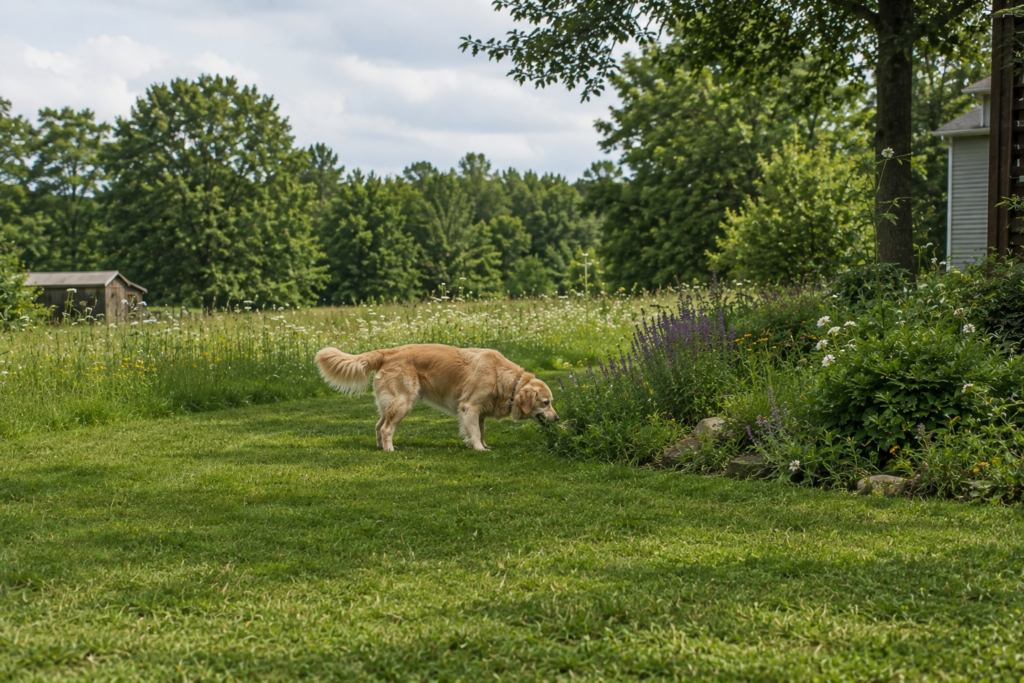
If your dog enjoys spending time in the yard, it’s worth taking a closer look at the plants growing around your home. While many shrubs, flowers, and trees are perfectly safe, others can cause anything from mild stomach upset to serious health problems if chewed or eaten. Fortunately, creating a beautiful New Hampshire landscape doesn’t mean you have to sacrifice your pet’s safety. By choosing dog-friendly plants from the start, you can enjoy a landscape that’s both attractive and worry-free.
Some Examples of Pet Safe Plants
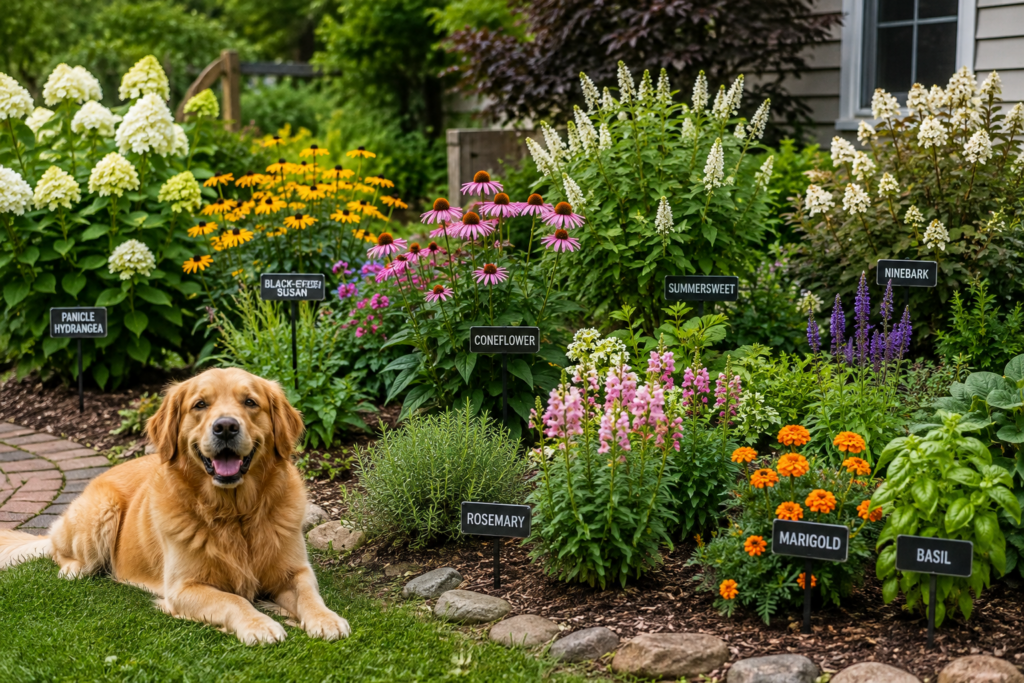
Some excellent dog-safe plants for New Hampshire gardens include panicle hydrangeas (generally considered less toxic than other hydrangea species but still best kept out of reach if possible), roses, snapdragons, sunflowers, zinnias, asters, marigolds, and native shrubs like summersweet and ninebark. For evergreen structure, inkberry holly is considered a safer choice than many traditional hollies because its berries are less attractive to pets, although it’s still best to discourage chewing. Herbs such as basil, rosemary, thyme, and parsley are also safe for dogs and can add fragrance and function to your landscape. One little-known tip is to plant ornamental grasses around garden beds. Many dogs naturally prefer walking through grass rather than flower beds, helping protect your plants without the need for fencing.
Caution Around Pets
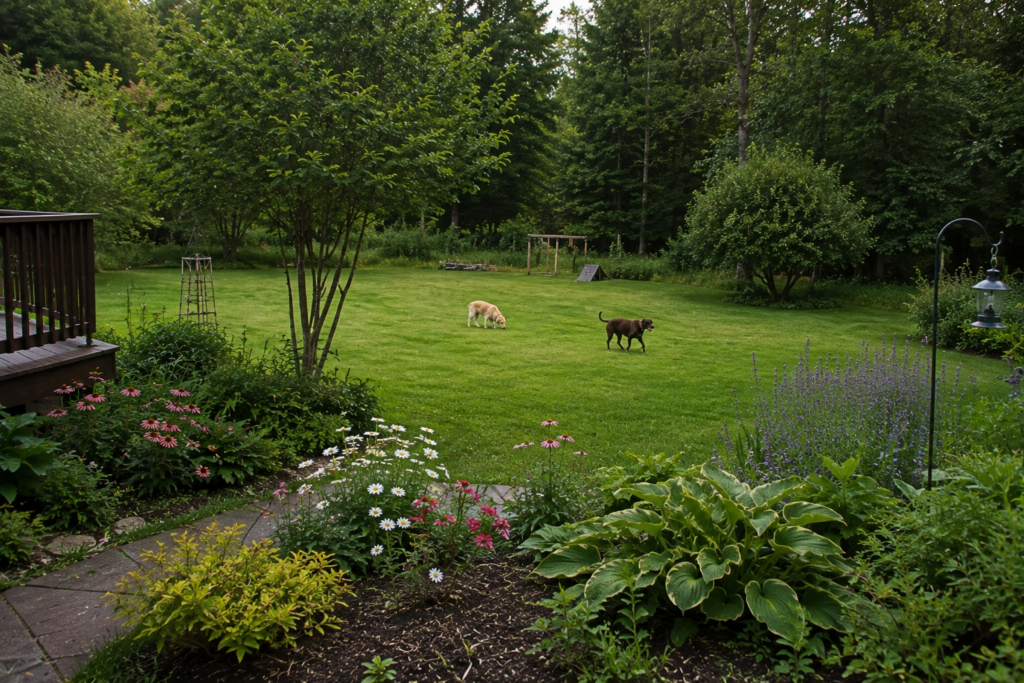
On the other hand, several popular landscape plants should be used with caution around pets. Azaleas and rhododendrons can be highly toxic, even in small amounts. Lilies, daffodils, foxgloves, yew shrubs, autumn crocus, and castor bean plants can also pose serious health risks if ingested. Spring flowering bulbs deserve special attention because curious dogs often dig them up before they bloom. If you enjoy these plants, consider placing them in fenced gardens or containers that are difficult for pets to access.
| Generally Safer for Dogs | Plants to Avoid |
|---|---|
| Roses | Azaleas |
| Snapdragons | Rhododendrons |
| Sunflowers | Foxglove |
| Zinnias | Autumn Crocus |
| Marigolds | Yew |
| Asters | Castor Bean |
| Summersweet | Lily species |
| Ninebark | Daffodils (especially bulbs) |
| Herbs like basil, thyme, parsley | Sago Palm (not hardy in NH but common in containers) |
Pet Safety, Beyond your Plants
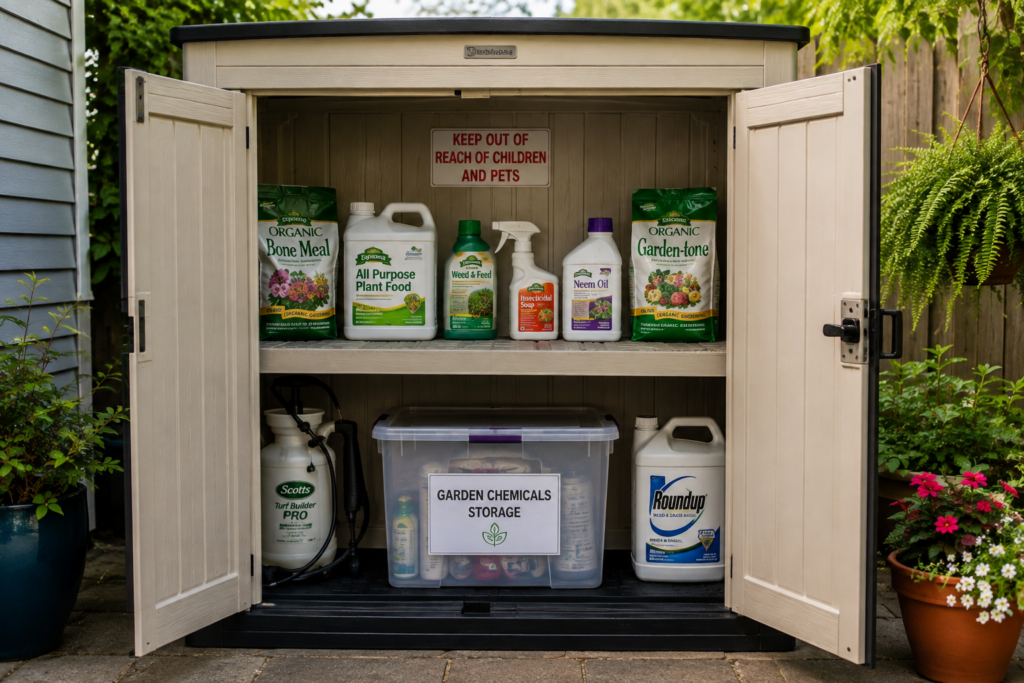
A pet-friendly landscape is about more than just selecting safe plants. Avoid cocoa mulch, which contains compounds similar to those found in chocolate and can be harmful if eaten. Keep fertilizers, herbicides, and pesticides stored securely, and always follow label directions before allowing pets back onto treated areas. Providing a shaded resting spot and a bowl of fresh water can also help keep your dog comfortable while spending time outdoors during New Hampshire’s warm summer months.
Did You Know?
According to the ASPCA Animal Poison Control Center, thousands of calls each year involve pets that have ingested toxic plants. Many of these incidents happen in home landscapes and gardens, making plant selection an important part of creating a safe outdoor space for your family and pets.
Before introducing any new plant into your landscape, it’s always a good idea to verify its pet safety through the ASPCA Animal Poison Control Center online toxic and non-toxic plant database, especially if your dog has a habit of chewing on leaves or digging in garden beds.
The ASPCA Animal Poison Control Center is one of the most trusted resources for identifying toxic plants and other substances that may be harmful to pets.
• ASPCA Animal Poison Control Center
Their website includes:
- A searchable database of toxic and non-toxic plants
- Information on poisonous foods, medications, and household products
- Prevention tips
- Guidance on what to do if you suspect your pet has been poisoned
- Contact information for their 24/7 Animal Poison Control Center
If you’re looking specifically for plant safety, their searchable database is here:
• ASPCA Toxic and Non-Toxic Plants Database
This database is an excellent resource for New Hampshire homeowners who want to verify whether a tree, shrub, flower, or houseplant is safe before adding it to their landscape.