The Backyard Wildlife Your Landscape Is Secretly Supporting
Your landscape is more than just grass, flowers, and shrubs. Every healthy yard in New Hampshire is home to an amazing variety of wildlife, much of it working behind the scenes to keep your landscape healthy. Native bees pollinate flowers, birds help control insects, butterflies add color to the garden, and even fireflies play a role by feeding on slugs and other small pests during their larval stage. If you’ve ever wondered why one yard seems full of birdsong while another feels quiet, the answer often comes down to the plants growing there. Nearly 75% of flowering plants rely on animal pollinators, and about one out of every three bites of food we eat depends on their work.
Meet Your Backyard Helpers
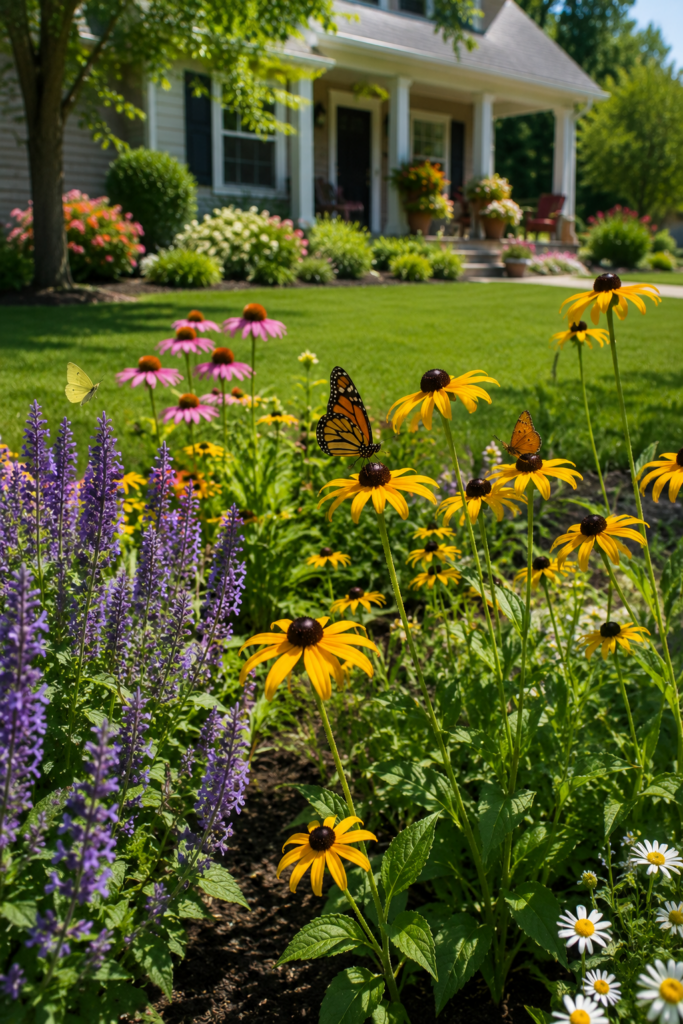
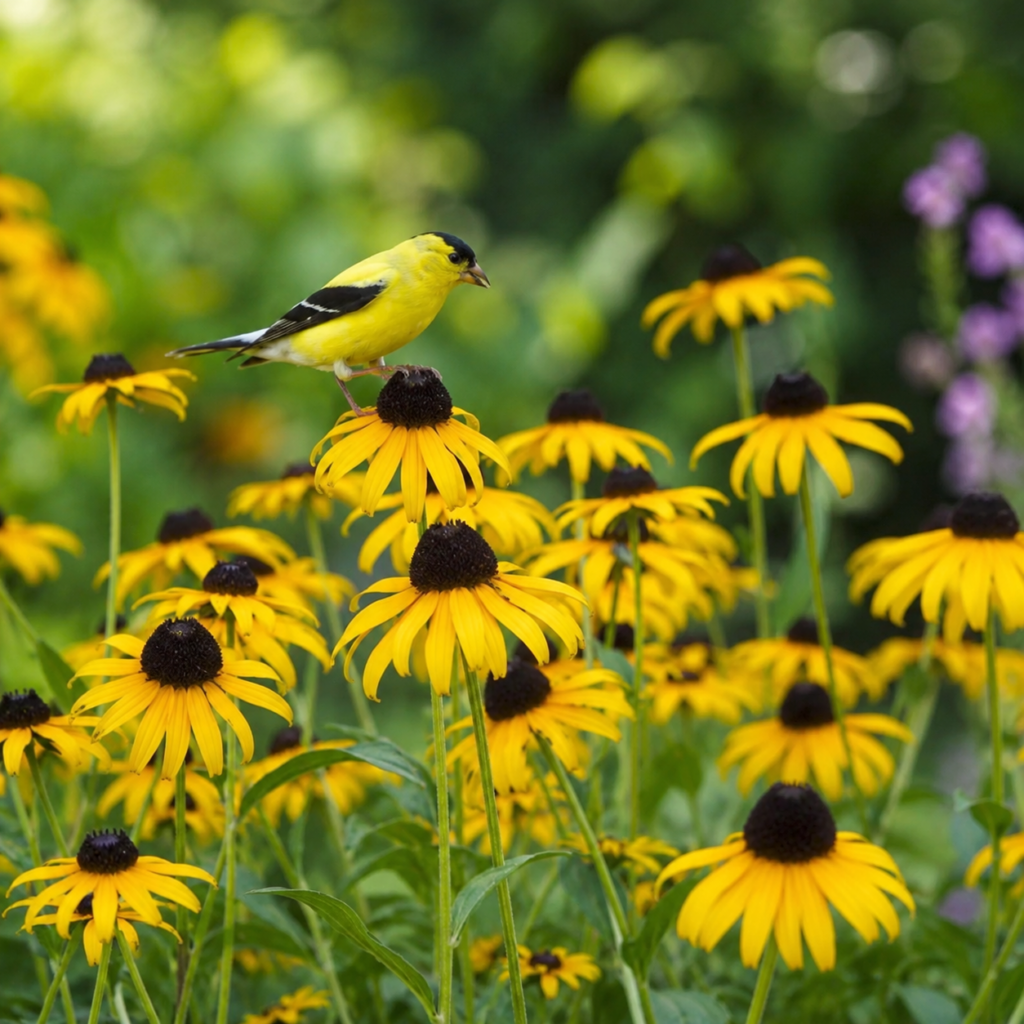
Many homeowners are surprised by the variety of wildlife their yard can support. Bumblebees, mason bees, monarch butterflies, hummingbirds, chickadees, goldfinches, tree frogs, dragonflies, and lightning bugs all benefit from thoughtfully designed landscapes. Birds are especially valuable because they consume thousands of insects while raising their young. Native plants support healthy insect populations, which in turn provide food for birds and other wildlife.
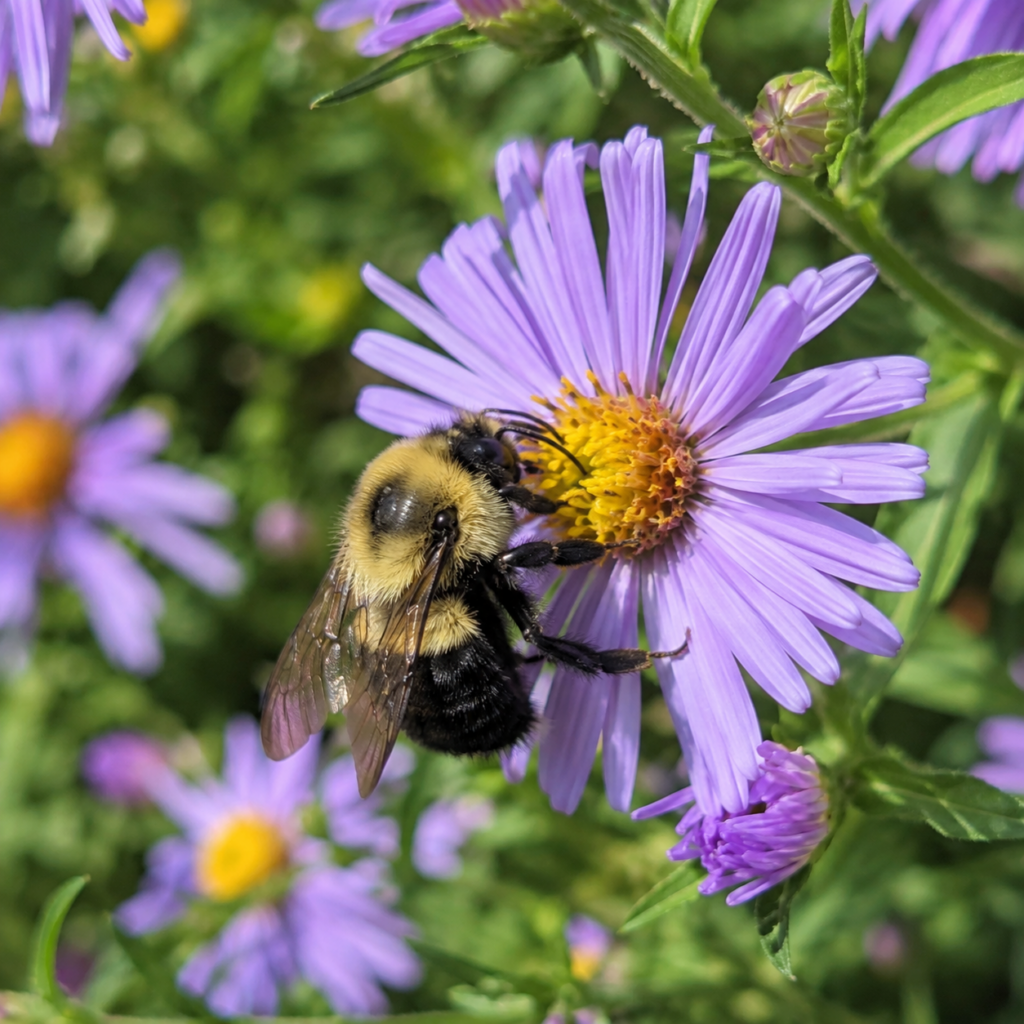
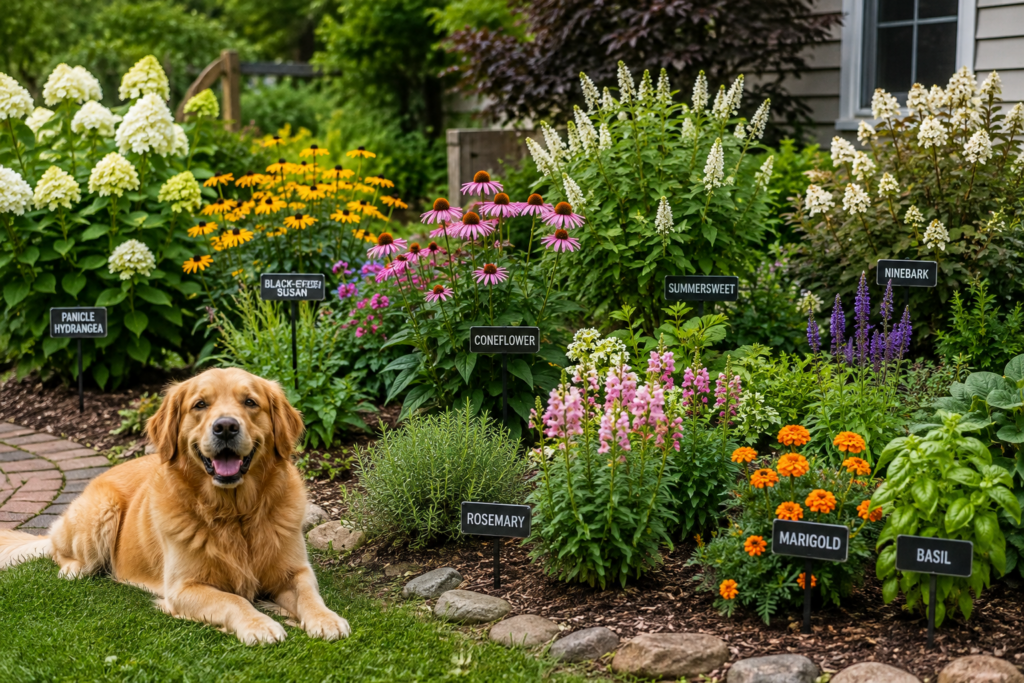
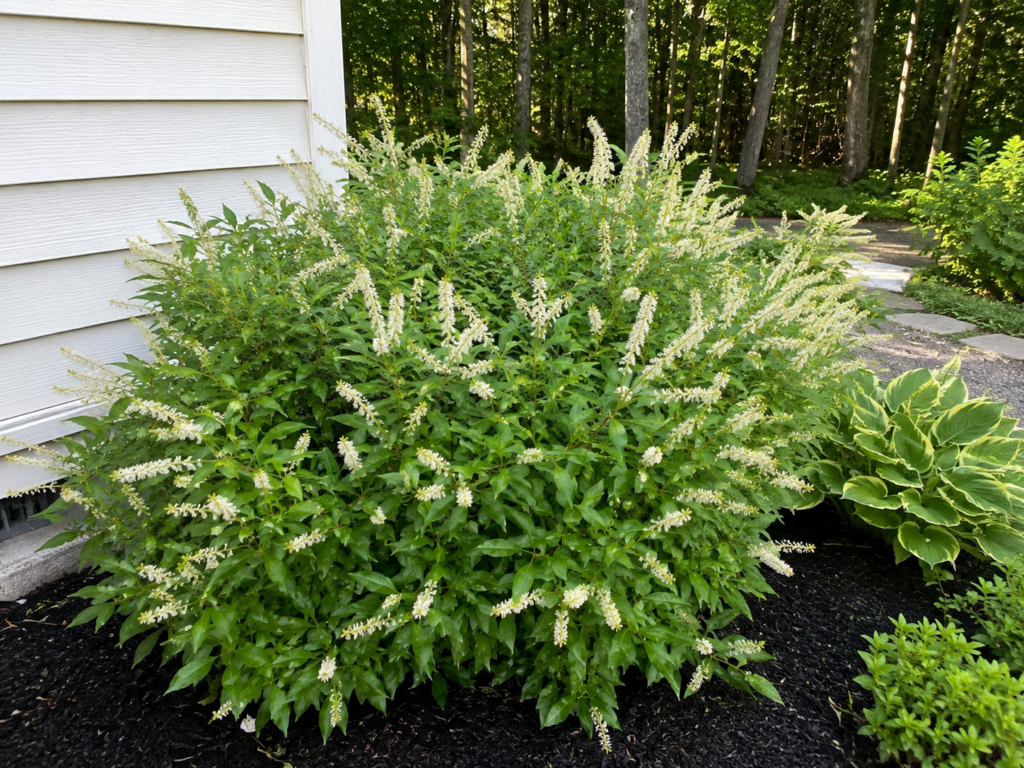
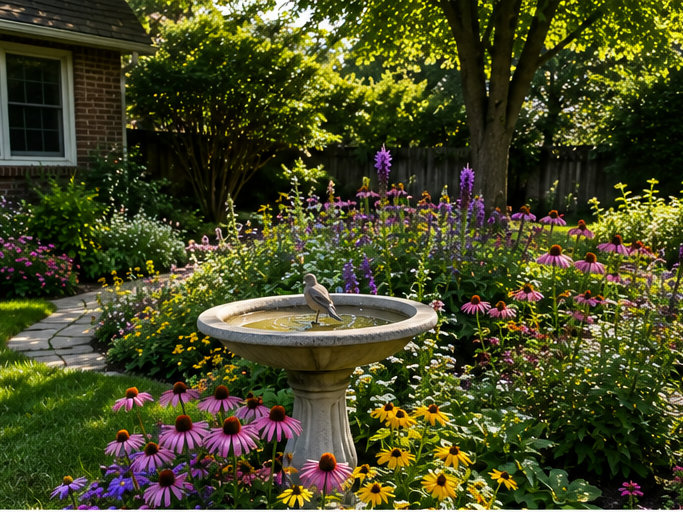
One simple way to attract more wildlife is to plant a variety of flowers that bloom from spring through fall. Early-blooming shrubs feed pollinators emerging after winter, while late-season flowers help insects prepare for colder weather. Native favorites that perform well in New Hampshire include coneflowers, black-eyed Susans, bee balm, asters, goldenrod, summersweet, and serviceberry. Adding a shallow birdbath, leaving a few seed heads standing through winter, and reducing pesticide use can dramatically increase the number of birds, butterflies, and beneficial insects visiting your yard.
Easy Ways to Attract More Wildlife
You don’t need acres of land to create a wildlife-friendly landscape. Even a modest yard can become an important habitat with a few thoughtful choices:
- Plant native trees, shrubs, and perennials.
- Include flowers that bloom in spring, summer, and fall.
- Leave a small patch of ornamental grasses or leaf litter for overwintering insects.
- Provide fresh water with a shallow birdbath or small water feature.
- Avoid broad-spectrum pesticides whenever possible.
- Add berry-producing shrubs to feed birds in fall and winter.
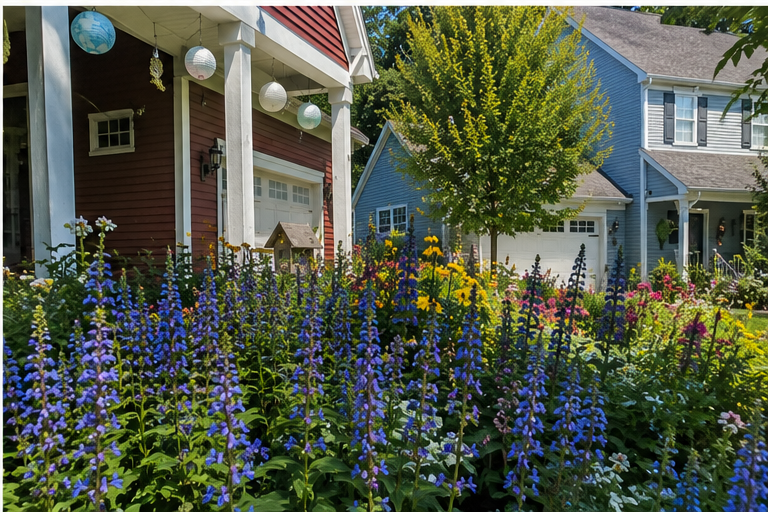
A Few Tips!
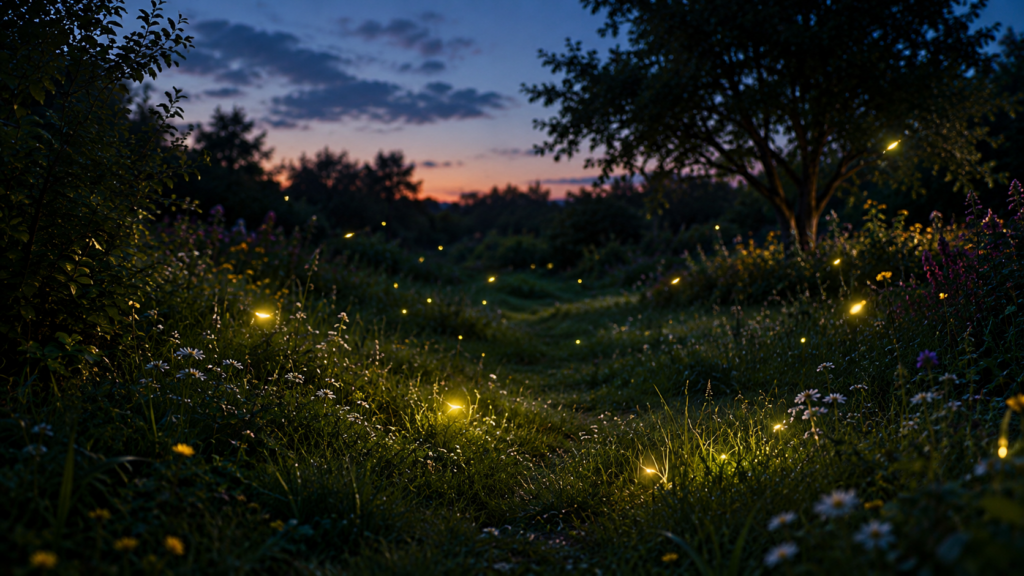
Fireflies are becoming less common in many areas due to habitat loss, excessive outdoor lighting, and pesticide use. Leaving small areas of taller grass, preserving leaf litter, and planting native flowers and grasses can help provide the shelter they need to thrive.
A landscape that welcomes wildlife is often healthier, more colorful, and easier to maintain. Native plants are naturally adapted to New Hampshire’s climate, so they typically require less watering, fewer chemical treatments, and less maintenance once established. By creating habitat for pollinators, birds, and other beneficial wildlife, you’re not only making your yard more enjoyable, you’re helping support the local ecosystem for years to come.
Plant for All Seasons
Choose plants that provide food throughout the year.
- Spring: Serviceberry, redbud
- Summer: Bee balm, coneflower, summersweet
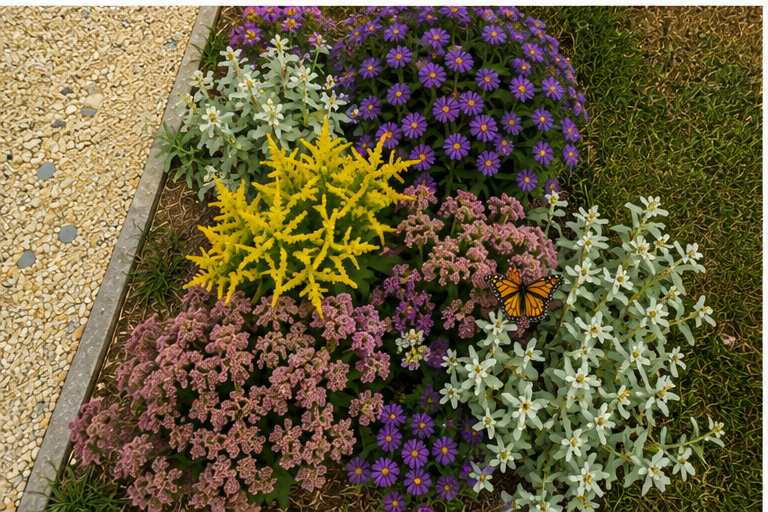
- Fall: Asters, goldenrod, sedum
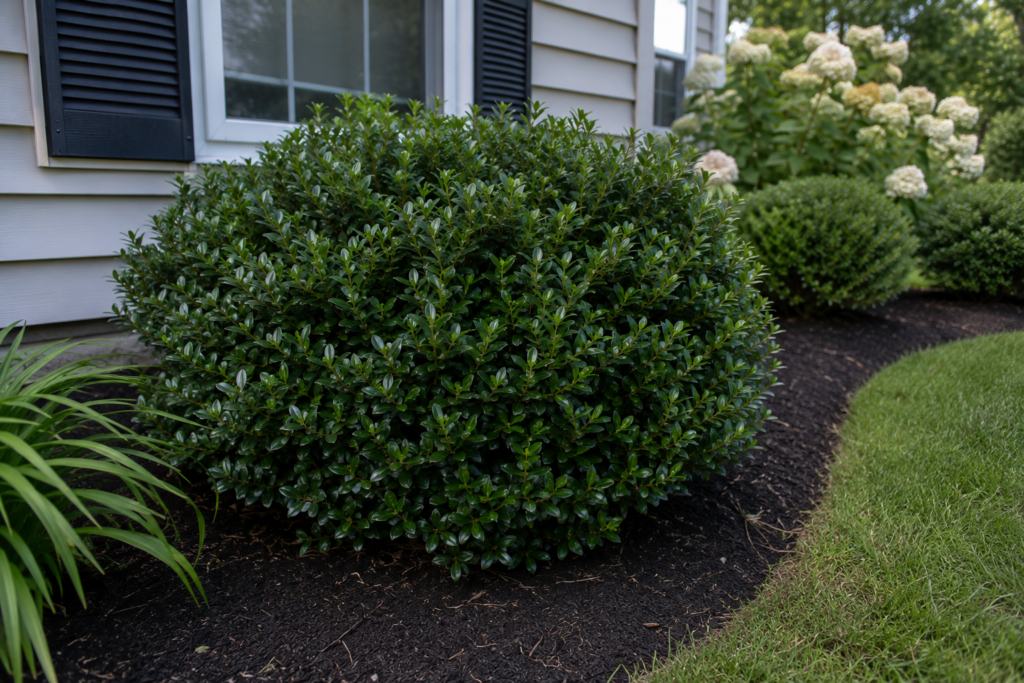
- Winter: Inkberry holly, winterberry, red twig dogwood
Create Layers
Wildlife prefers landscapes with different heights.
- Groundcovers
- Perennials
- Shrubs
- Small ornamental trees
- Mature shade trees
This layered approach provides nesting sites, shelter, and food for many different species.
Pro Tip for New Hampshire Homeowners
If you only have room to add one new plant this year, choose a late-blooming native aster or goldenrod. These plants provide one of the last major nectar sources of the season, helping bees and butterflies build the energy reserves they need before winter, while also bringing vibrant color to your landscape when many other flowers have finished blooming.
Thanks for Reading! Leave a comment and tell us about what kind of wildlife you’d love to attract to your property!