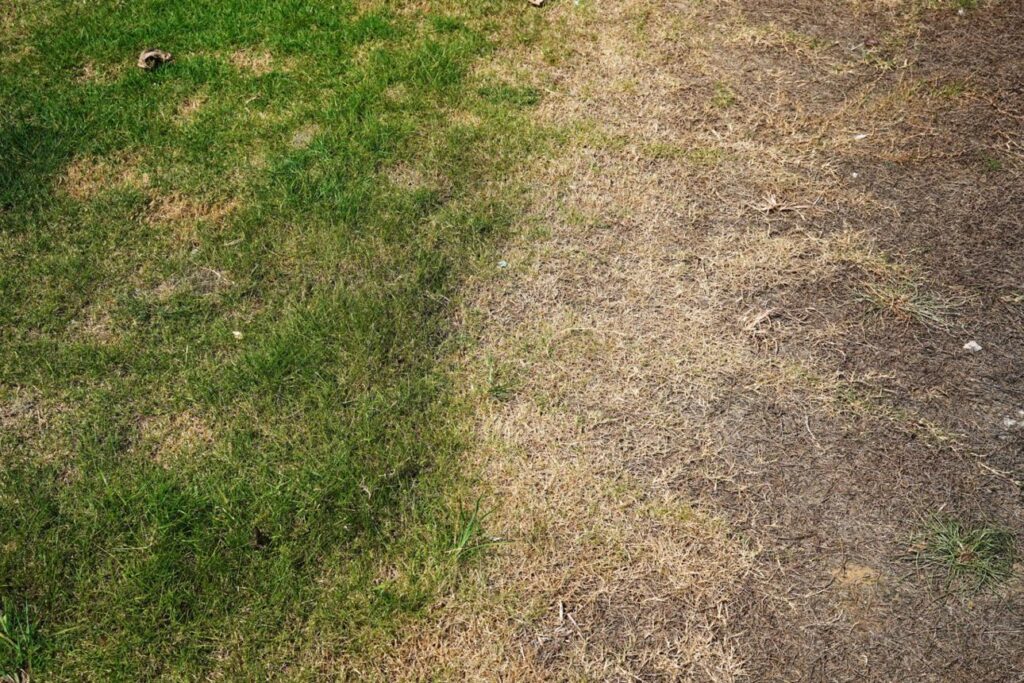
Water becomes a limiting factor in many New Hampshire yards as spring transitions into early summer, and recent data shows why. While the state typically receives steady precipitation, patterns have shifted.
In 2025, New Hampshire recorded its driest summer on record, with only about 7.4 inches of rain from June through August, roughly 4 inches below normal. In some areas, total precipitation has run nearly a foot below average over a nine month period, despite periods of heavy spring rain. This creates a cycle where lawns start strong in spring but quickly lose consistent moisture. You may notice dry patches, thinning turf, or plants that wilt between storms. These are clear signals that natural precipitation is not enough. Irrigation solves this by delivering consistent moisture where and when your landscape needs it, which leads to stronger roots and more uniform growth.
As those dry stretches become more common, irrigation becomes even more important when you invest in your landscape. New seed, sod, shrubs, and garden beds all depend on steady moisture to establish, especially when rainfall is inconsistent week to week. Hand watering often leaves gaps and varies day to day.
A properly designed system delivers even coverage on a set schedule. This supports root development, reduces plant stress, and protects the time and money you put into your yard.
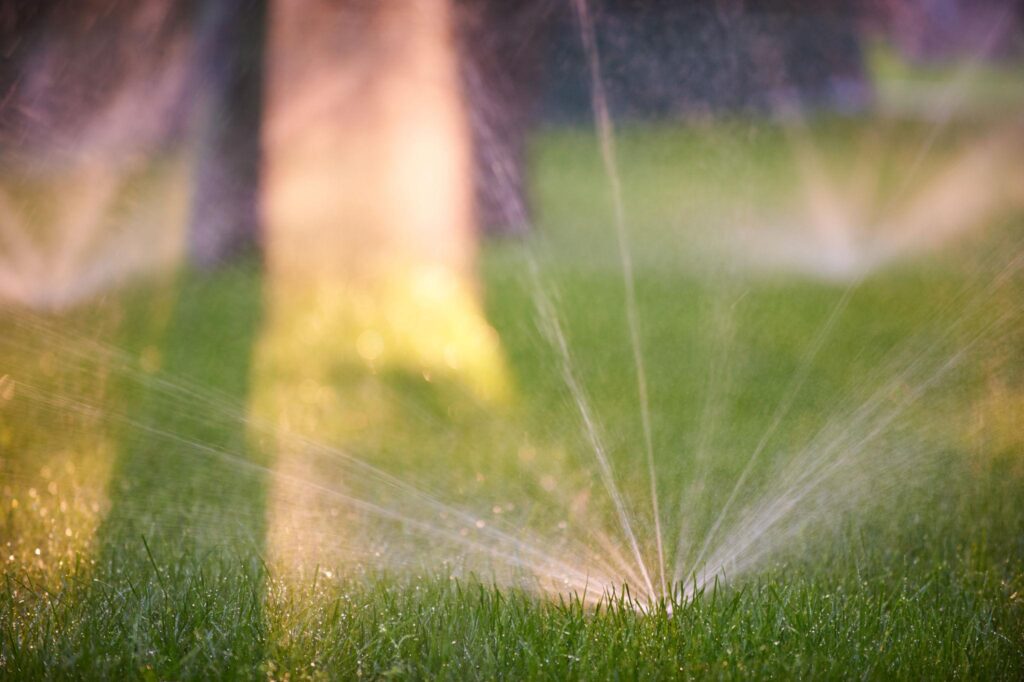
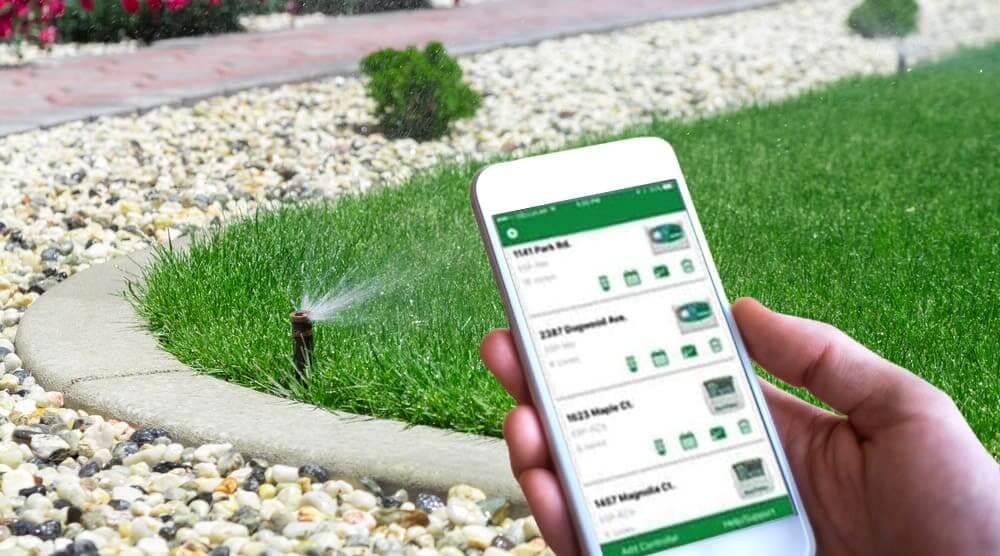
Modern irrigation systems give you control and efficiency. Timers, rain sensors, and zone-based watering reduce waste and prevent overwatering. You can match water delivery to soil type, sun exposure, and plant needs.
This approach keeps your lawn and landscape healthy through dry periods while lowering water use. For homeowners who want consistent results with less effort, irrigation is a practical upgrade.
New Hampshire rainfall patterns are becoming less predictable, with wet springs often followed by dry early summers. An irrigation system gives you control when natural rainfall falls short. It protects new plantings, keeps turf consistent during dry periods, and reduces stress caused by uneven moisture. A properly designed system also improves efficiency by applying the right amount of water at the right time. This helps you maintain a healthy, low-maintenance landscape despite changing conditions.
Estimated reading time: 3 minutes