Supporting Wildlife Corridors
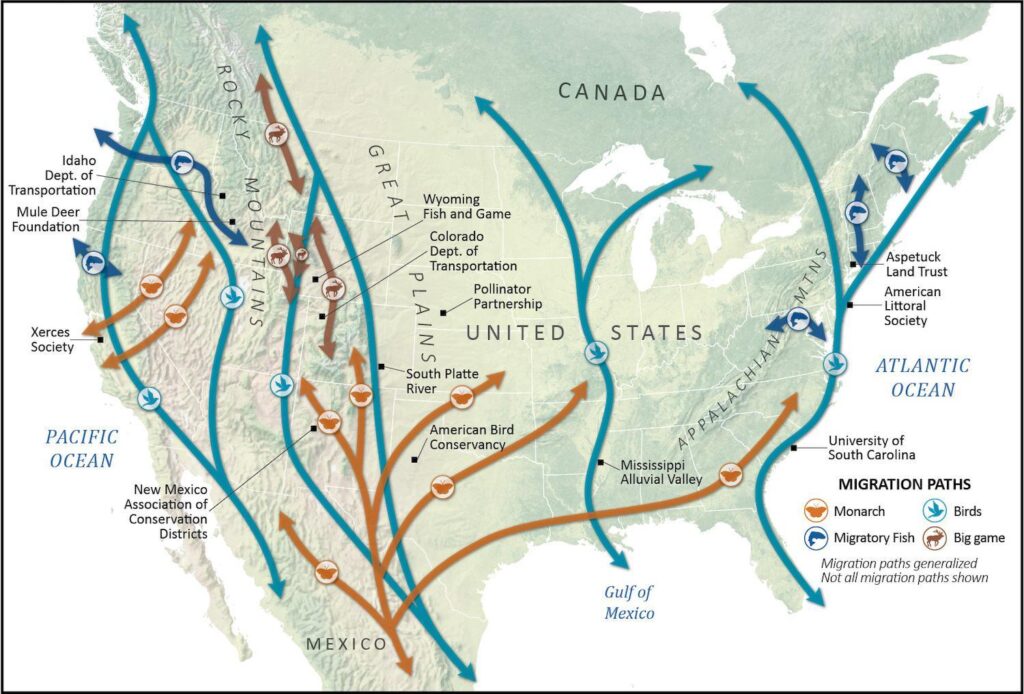
Wildlife corridors are strips of habitat that connect fragmented ecosystems. They allow animals to move between feeding, breeding, and wintering areas. These pathways range from forested riverbanks to engineered highway overpasses. Their value becomes clear when migration patterns break down. When movement stops, populations decline.
Migration operates at a global scale. About 1,800 bird species migrate long distances each year, many traveling across continents. In North America alone, the Mississippi Flyway carries more than 12 million ducks and geese annually. Some species push the limits of endurance. The Arctic tern travels at least 19,000 km each year between polar regions. These journeys depend on intact stopover habitats. When wetlands or forests disappear, birds lose the ability to refuel. Data shows the impact. North America has lost about 2.9 billion birds since 1970, including a 28 percent drop in migratory species.
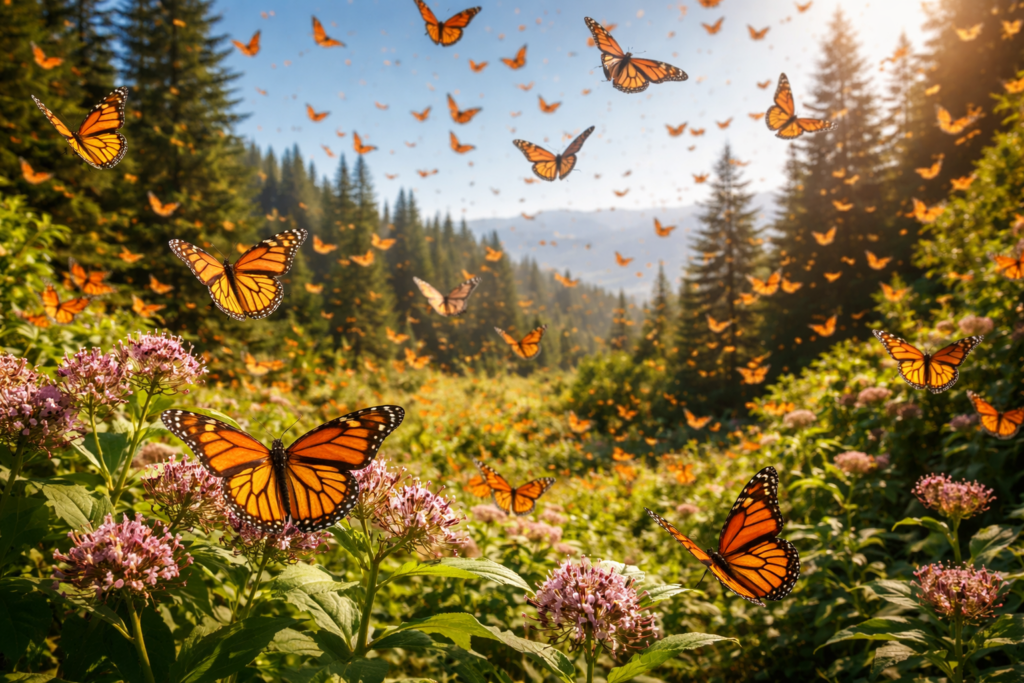
Insects move in even larger numbers. Billions migrate each year across continents, often riding wind currents. At a single mountain pass in the Pyrenees, about 17 million insects pass through annually. These migrations include butterflies, dragonflies, and flies, which make up roughly 62 percent of migrating insects. Some species travel thousands of kilometers, and in rare cases even cross oceans. Unlike birds, insect migrations often span multiple generations, with each generation completing part of the route.
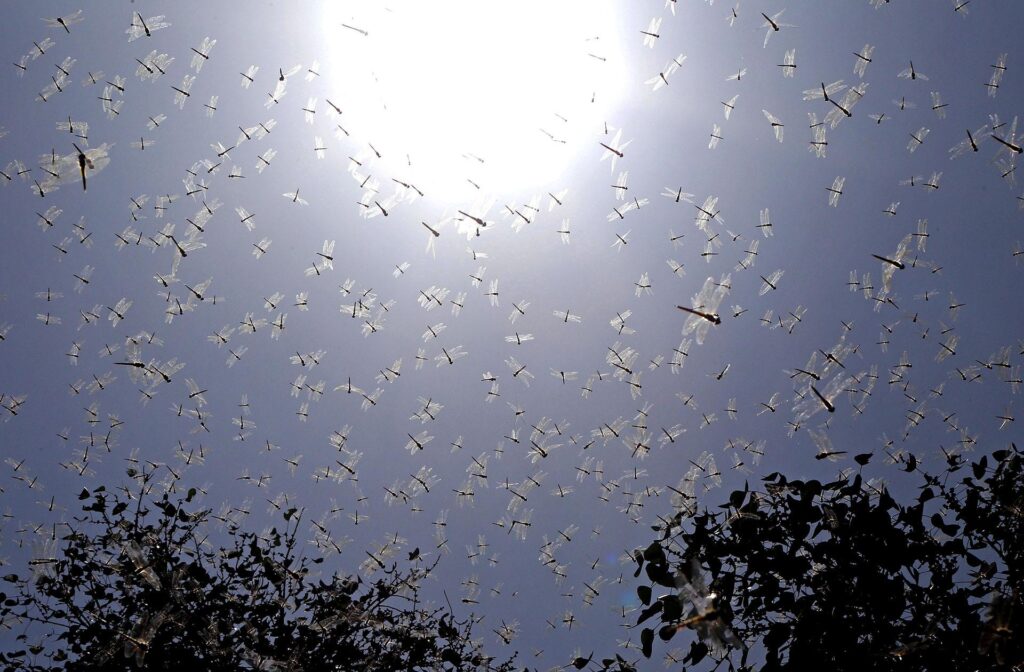
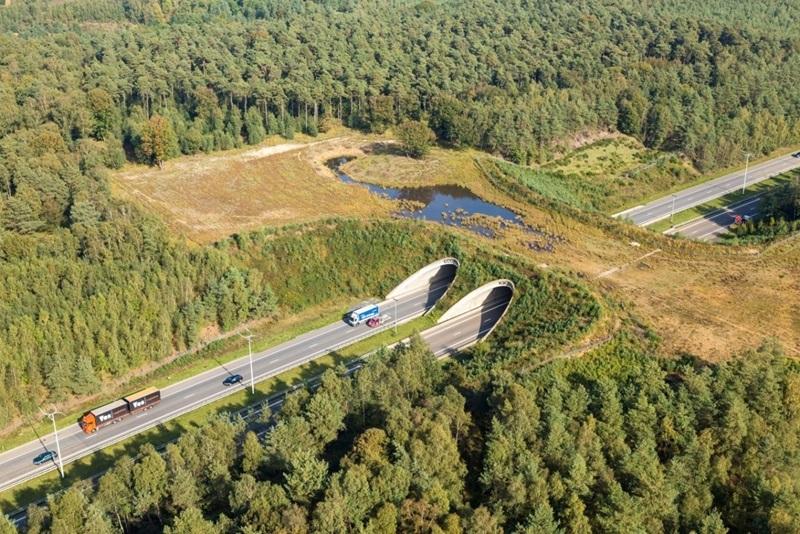
Wildlife corridors support these movements by preserving connectivity. GPS tracking shows animals repeatedly using narrow routes and bottlenecks during migration. When these routes intersect roads or development, mortality rises. Infrastructure solutions exist. In Banff National Park, a network of wildlife crossings reduced animal-vehicle collisions by up to 80 percent and recorded over 200,000 successful crossings. Across the United States, more than 1,000 wildlife crossings now support safe movement.
Corridors also support plant reproduction and ecosystem stability. In one study, butterflies were two to four times more likely to reach connected habitats, increasing plant seed production by 70 percent. These effects scale across ecosystems. Birds disperse seeds. Insects pollinate crops. Movement links these processes across landscapes. Without corridors, ecosystems fragment into isolated patches. With corridors, species retain access to the resources needed for survival.
Wildlife corridors address a clear problem. Migration still occurs at massive scales, but the pathways shrink. Protecting and restoring these routes determines whether large-scale movement continues or collapses.