A beautiful landscape doesn’t have to require hours of maintenance every weekend. One of the easiest ways to create a yard that’s both attractive and easy to care for is by choosing shrubs that naturally thrive in New Hampshire’s climate. Hardy shrubs require less watering, less pruning, and fewer replacements, while still providing color, texture, and curb appeal throughout the year.
Top Low-Maintenance Shrubs for New Hampshire
Panicle Hydrangea
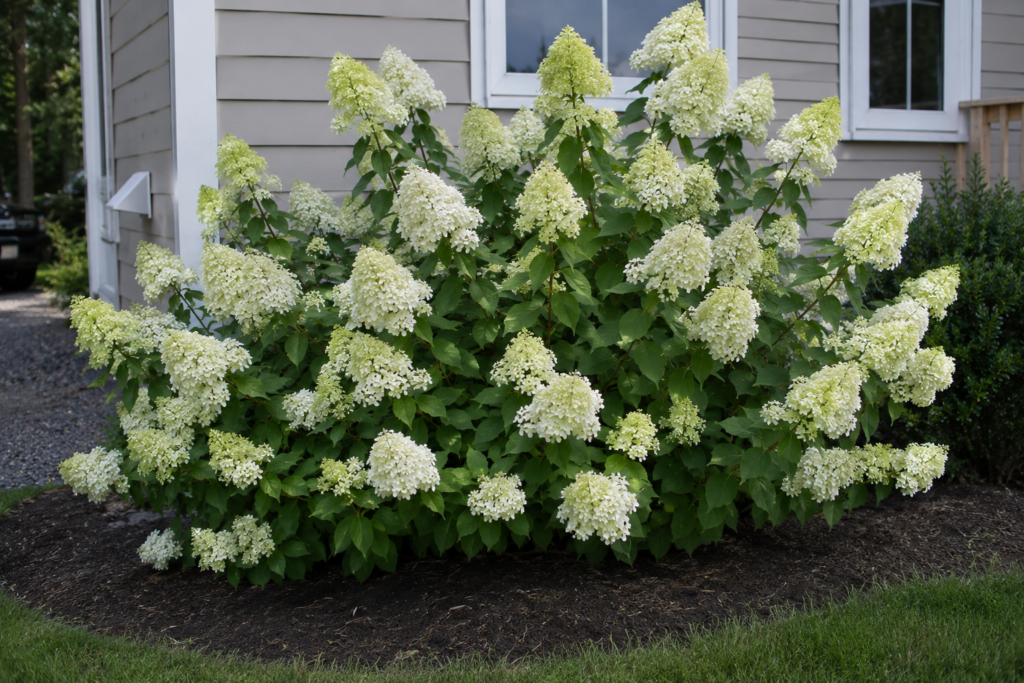
Panicle hydrangeas are one of the most dependable flowering shrubs for New Hampshire homeowners. Unlike some hydrangea varieties, they bloom on new wood, meaning they’ll still produce beautiful flowers even after a harsh winter. Their large white blooms begin in midsummer and often last well into the fall.
Best for:
• Foundation plantings
• Accent gardens
• Sunny landscapes
Inkberry Holly
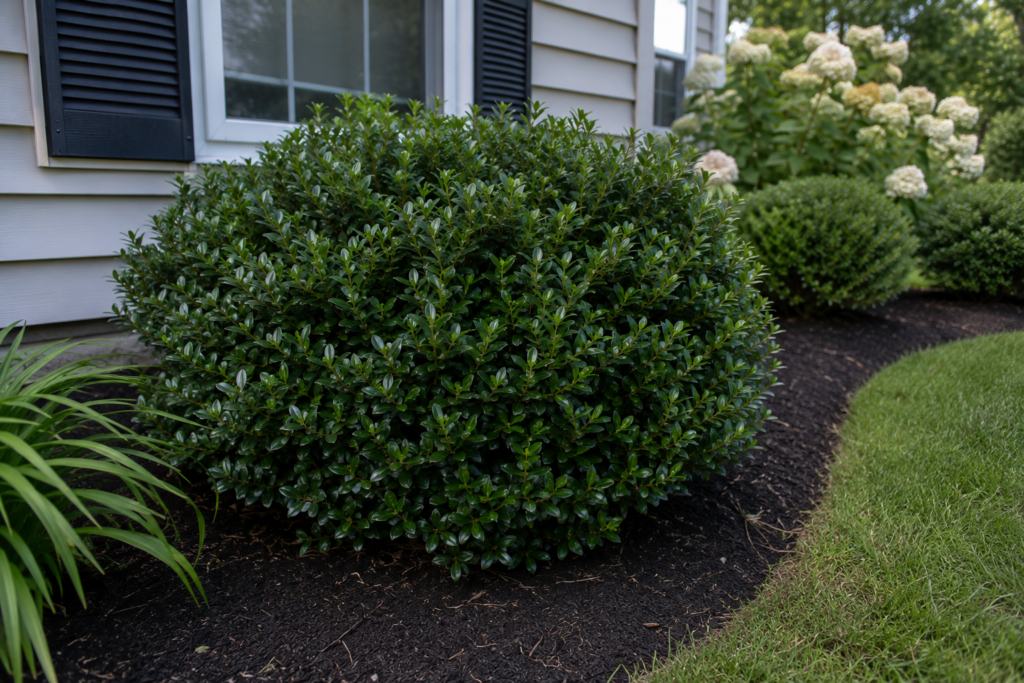
If you like the look of boxwoods but want something more durable, Inkberry holly is an excellent alternative. This native evergreen keeps its dark green foliage year-round and is naturally resistant to many of the pests and diseases that commonly affect boxwoods.
Best for:
• Foundation beds
• Low hedges
• Year-round greenery
Summersweet
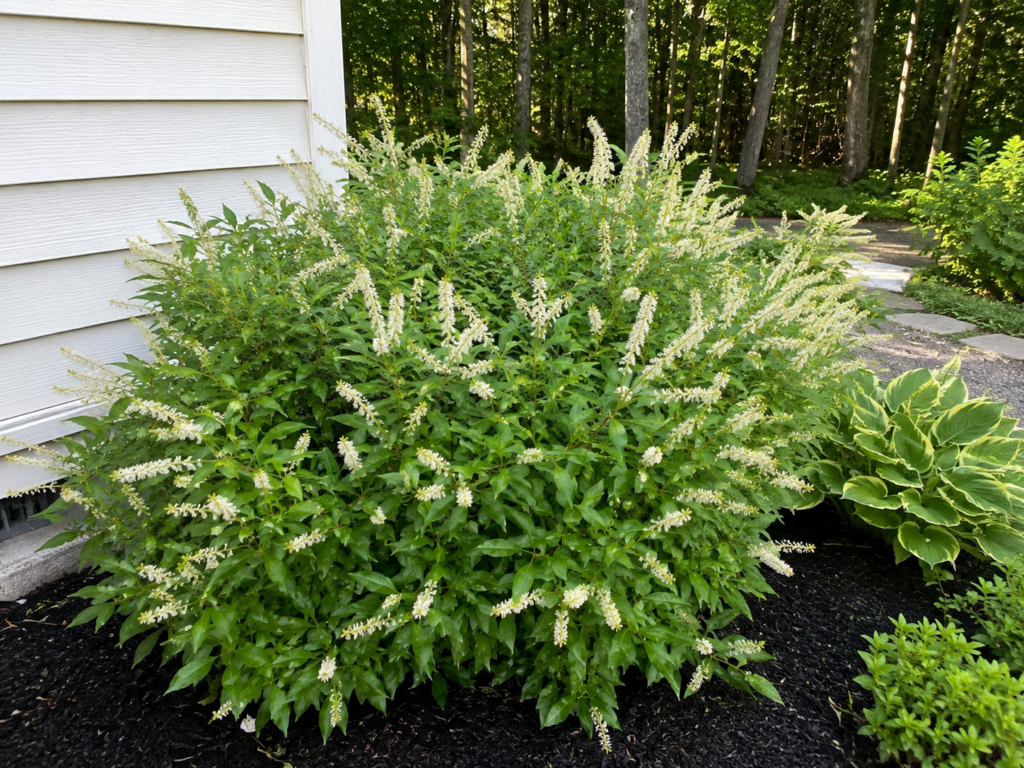
Summersweet is a native shrub that performs especially well in moist soils and partial shade. During mid to late summer, it produces fragrant white flowers that attract butterflies, bees, and other important pollinators.
Best for:
• Rain gardens
• Shady landscapes
• Areas with consistently moist soil
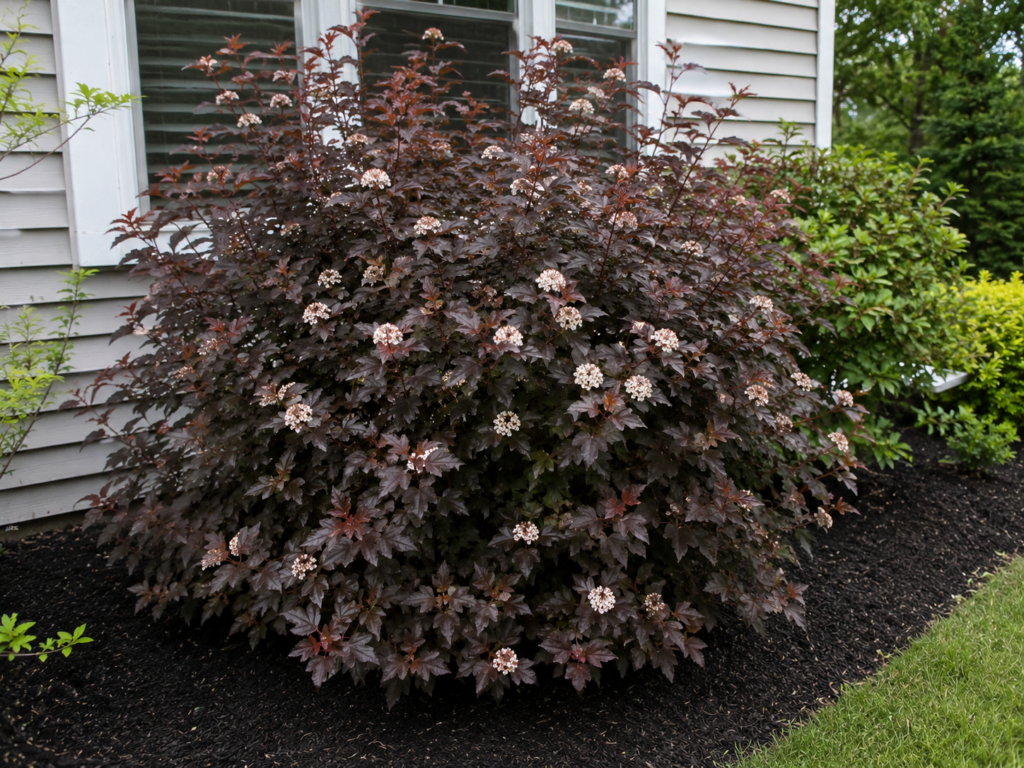
Ninebark
Ninebark provides interest during every season. Its colorful foliage ranges from green to deep burgundy, while its peeling bark adds texture throughout the winter after the leaves have dropped. Once established, it’s extremely hardy and requires very little maintenance.
Best for:
• Accent plantings
• Privacy borders
• Four-season interest
Arborvitae
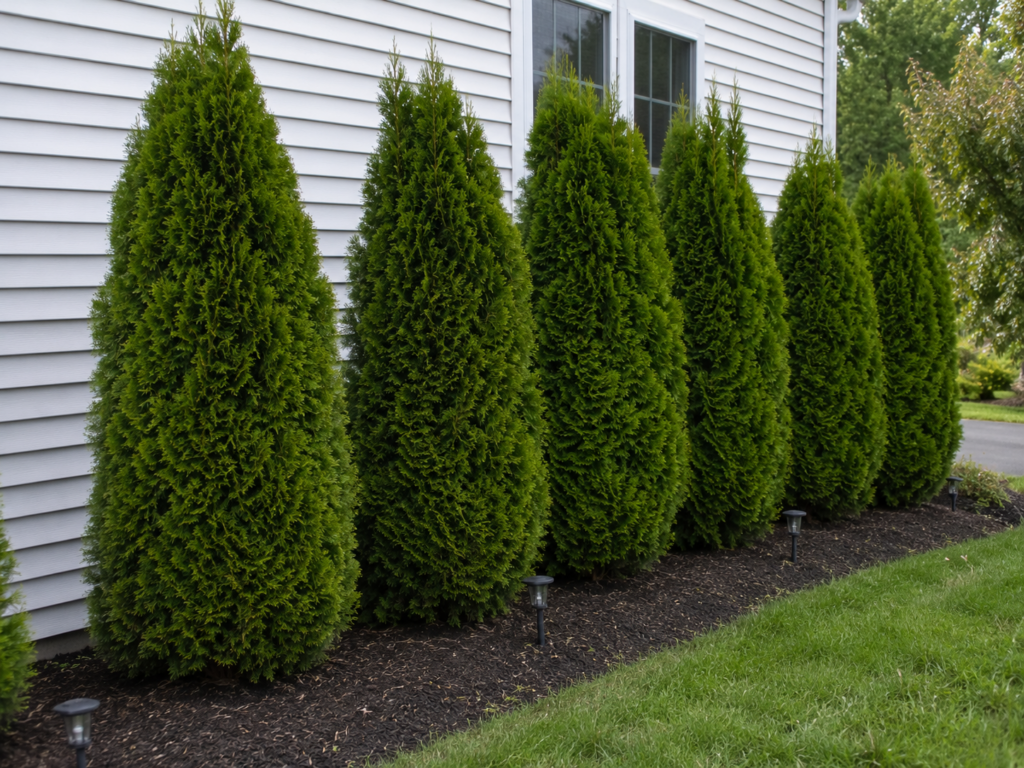
Arborvitae remains one of the most popular shrubs in New Hampshire for creating privacy screens. It grows relatively quickly, tolerates heavy snow well, and provides year-round color. When planted with enough spacing, arborvitae can last for decades with minimal maintenance.
Best for:
• Privacy screens
• Property borders
• Windbreaks
A Little-Known Tip
Many homeowners stop watering shrubs once the weather cools in the fall. In reality, evergreen shrubs continue losing moisture throughout the winter, even when they’re dormant. Giving arborvitae, inkberry holly, and other evergreens a deep watering before the ground freezes can significantly reduce winter browning and improve their health the following spring.
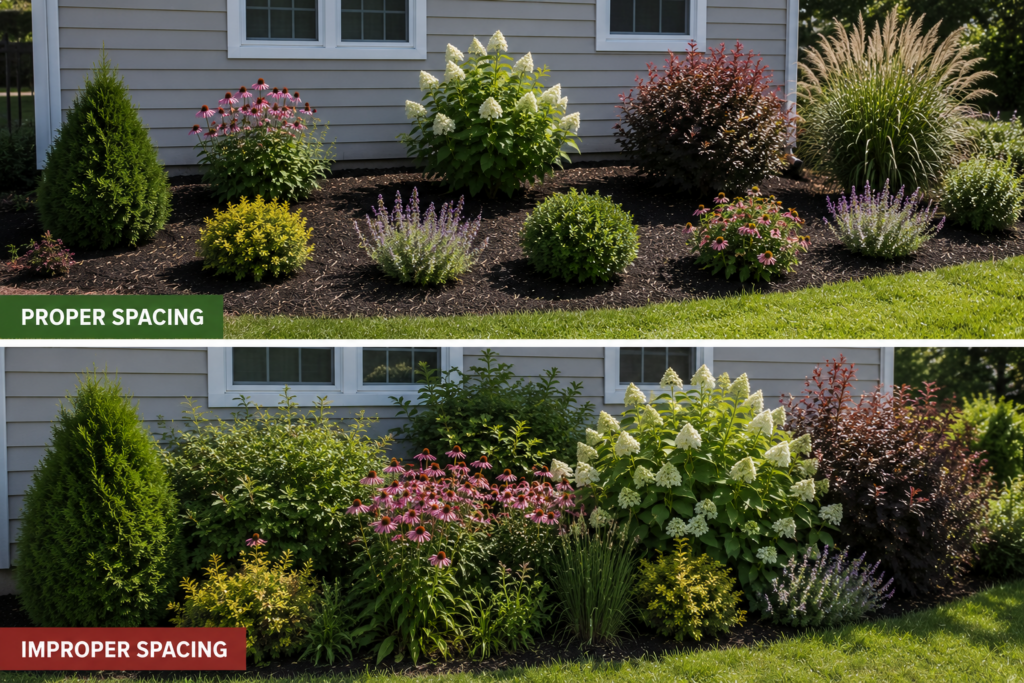
Give Your Shrubs Room to Grow
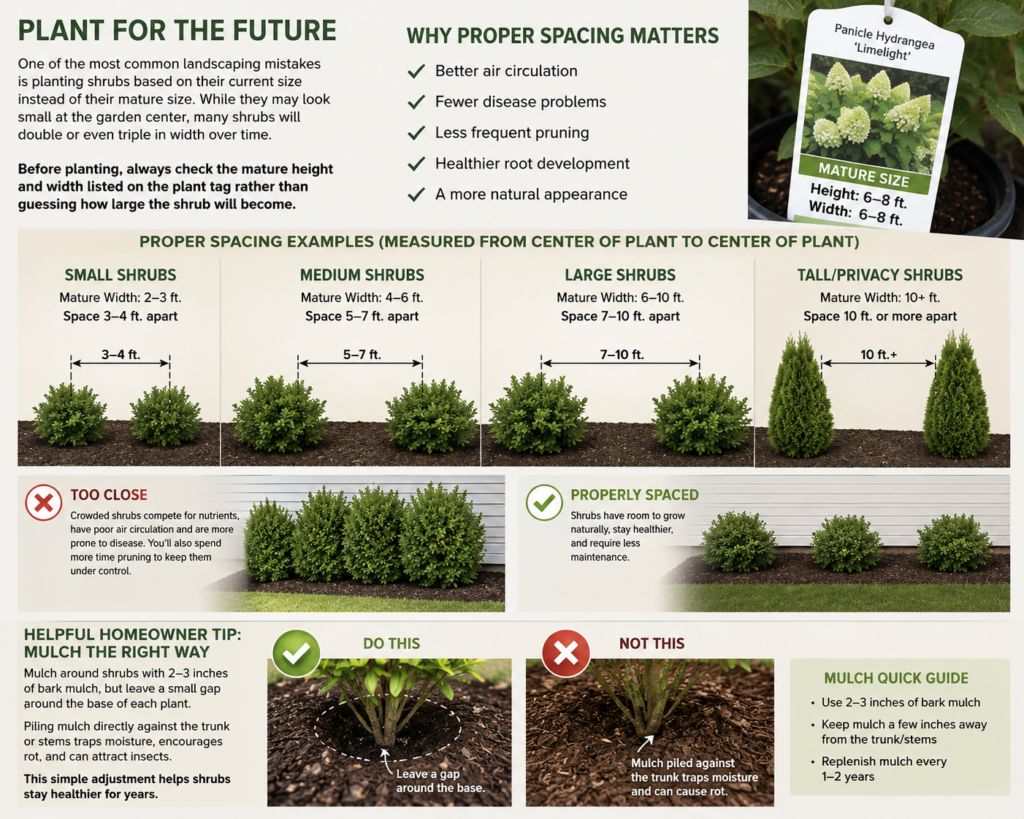
One of the most common landscaping mistakes is planting shrubs based on their current size instead of their mature size. While they may look small at the garden center, many shrubs will double or even triple in width over time. Before planting, always check the mature height and width listed on the plant tag rather than guessing how large the shrub will become.
Proper spacing offers several benefits:
• Better air circulation
• Fewer disease problems
• Less frequent pruning
• Healthier root development
• A more natural appearance
Helpful Homeowner Tip: Mulch around shrubs with two to three inches of bark mulch, but leave a small gap around the base of each plant. Piling mulch directly against the trunk or stems traps moisture, encourages rot, and can attract insects. This simple adjustment helps shrubs stay healthier for years.
Why Choosing the Right Shrubs Matters
Choosing shrubs that are naturally adapted to New Hampshire’s climate is one of the best investments you can make in your landscape! You’ll spend less time watering, pruning, and replacing struggling plants while enjoying healthier gardens and consistent curb appeal throughout every season. By selecting the right plant for the right location, your landscape will look better, require less work, and continue adding beauty to your home for years to come!