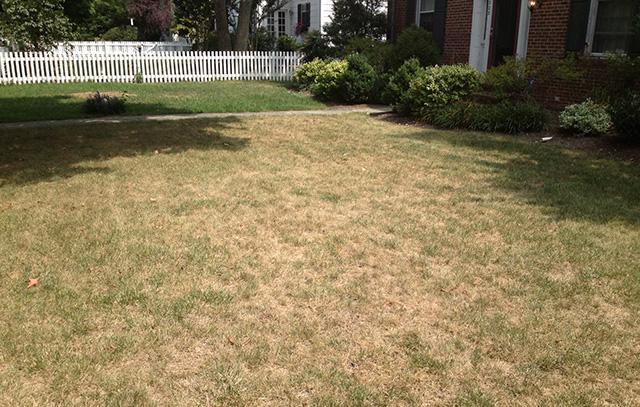
Dry stretches can leave New Hampshire homeowners wondering whether they should keep watering their lawns or simply let the grass turn brown. The good news is that a brown lawn is not necessarily a dead lawn. Many of the cool-season grasses commonly found in New Hampshire can enter dormancy during hot, dry conditions. This is a natural survival response that allows the grass to conserve resources until cooler temperatures and rainfall return. During a drought, your goal does not always need to be keeping every inch of the yard bright green.
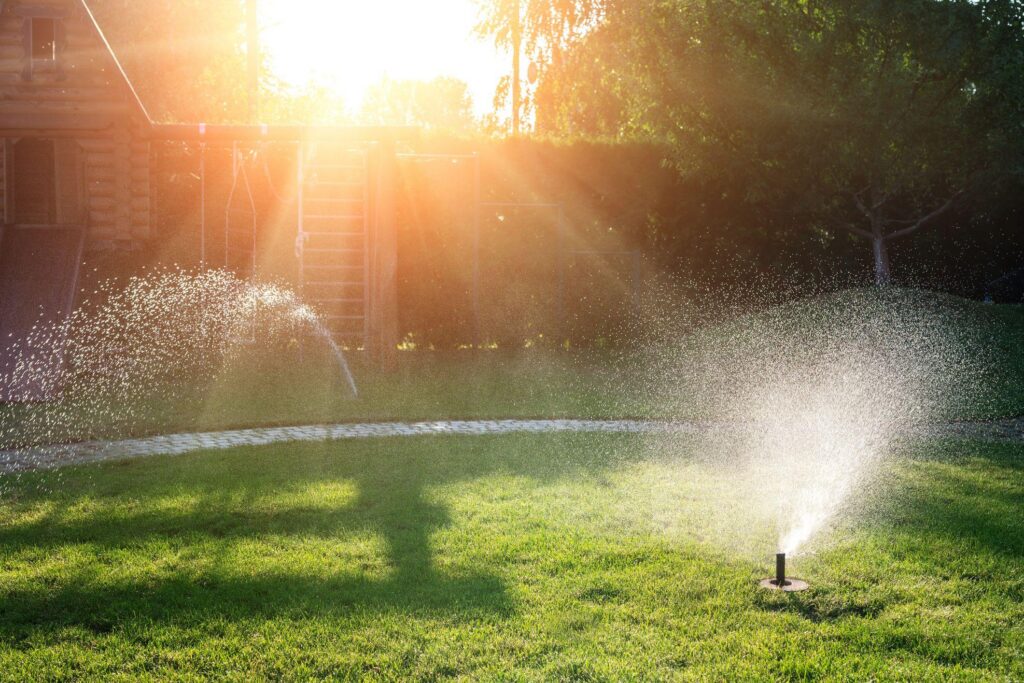
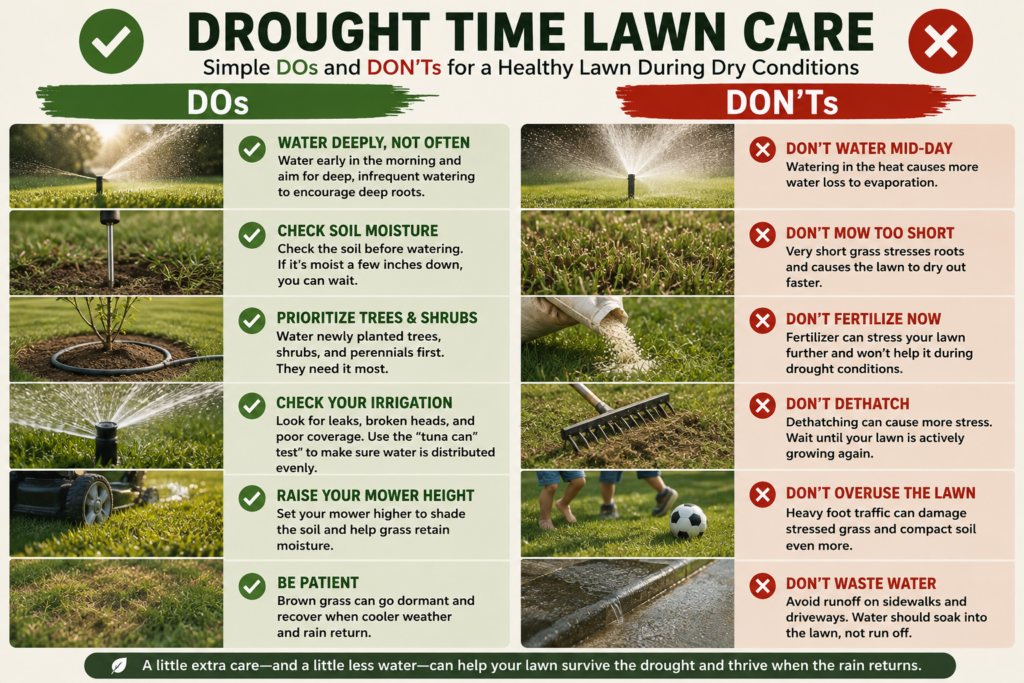
If you decide to water, focus on watering deeply rather than frequently. Deep watering encourages roots to reach farther into the soil, while frequent shallow watering can encourage roots to remain near the surface. Early morning is generally the best time to run irrigation because temperatures are cooler and less water is lost to evaporation.
Before watering, check the soil rather than relying only on how the grass looks. Push a screwdriver several inches into the ground. If it slides in easily and the soil feels moist, your lawn may not need additional water yet. Also check for local watering restrictions before running an irrigation system during drought conditions.
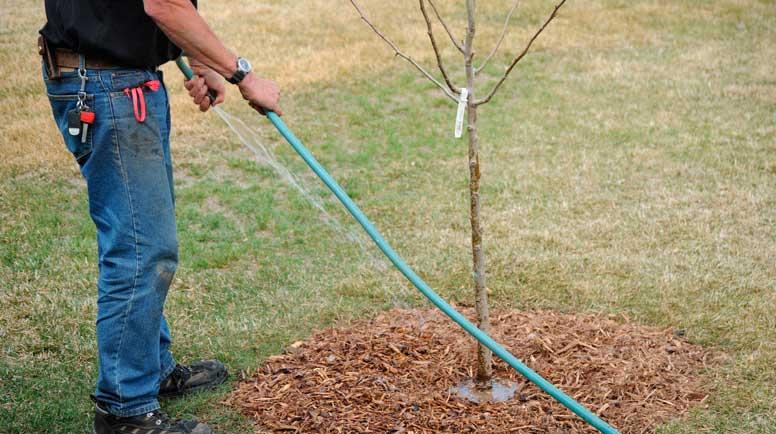
Trees, shrubs, and newly installed plants deserve special attention when water is limited. An established lawn can often recover from dormancy, while drought damage to a young tree or newly planted shrub can be much harder to reverse. Give priority to newer plantings and water slowly around their root zones. Mulching around trees and shrubs can also reduce evaporation, but avoid piling mulch against trunks and stems. A two to three inch layer is generally enough to help the soil hold moisture.
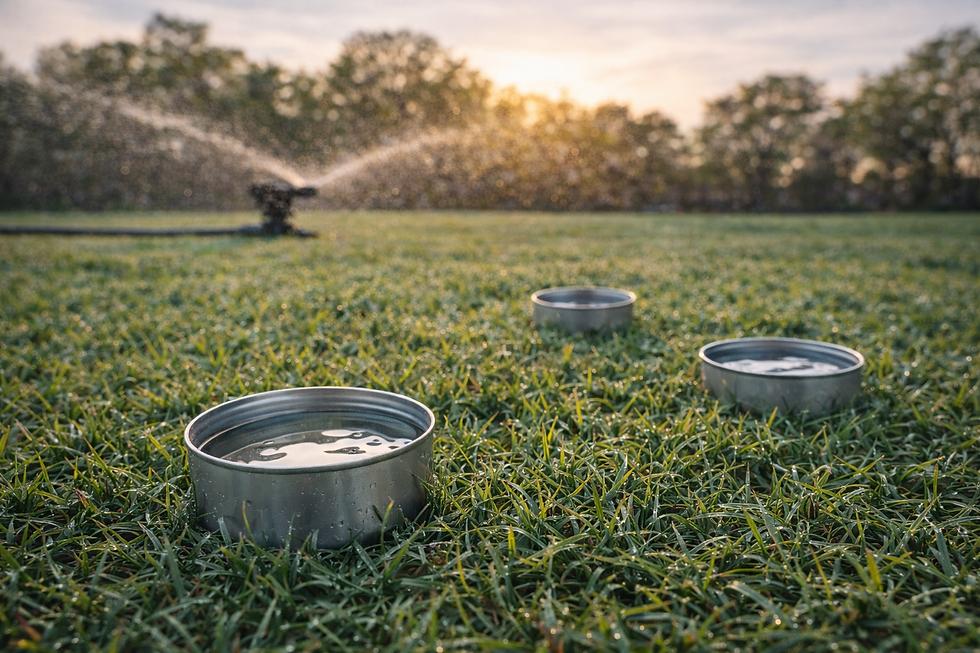
Your irrigation system can also waste more water than you realize. Check for broken sprinkler heads, clogged nozzles, overspray onto driveways, and areas where water runs down the street instead of soaking into the ground. One simple trick is the “tuna can test.” Place several empty, straight-sided cans around the sprinkler zone and run it normally. Comparing the amount collected in each container can reveal areas receiving too much or too little water. During drought conditions, improving irrigation coverage can be more useful than simply increasing watering time.
Finally, resist the urge to “fix” a drought-stressed lawn with extra fertilizer, aggressive dethatching, or very short mowing. These practices can add stress when grass is already trying to conserve resources. Raise your mower height, reduce unnecessary foot traffic, and allow dormant areas some time to recover. As late summer transitions into cooler New Hampshire weather, you can reassess thin or damaged areas and decide whether aeration, overseeding, or other fall lawn care is actually necessary. A drought doesn’t always mean your lawn needs more work. Sometimes it needs smarter watering and a little patience.