Landscape Maintenance & Design
08 Apr 2026

Spring Fertilizer is Key to a Great Lawn

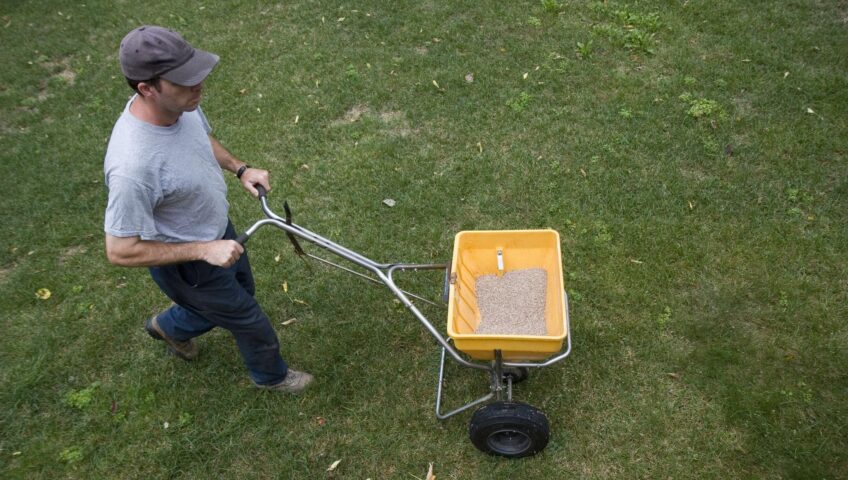
Spring fertilizing sets the foundation for a strong, healthy lawn. As soil warms, grass roots come out of dormancy and start active growth. Feeding at this stage supplies the nutrients your lawn needs to thicken, green up, and recover from winter stress.

Early fertilizing drives root development. Nitrogen supports blade growth, while phosphorus and potassium strengthen roots and improve resilience. A well-fed lawn fills in bare spots faster and crowds out weeds before they take hold. This reduces the need for heavier treatments later in the season.

Spring feeding also improves color and density. You see a faster green-up and more uniform coverage across your yard. Thicker turf handles foot traffic better and resists disease. Consistent growth means fewer thin areas that turn into problem spots in summer heat.

Timing matters. Apply fertilizer when grass begins active growth, not too early when soil is still cold. Slow-release products provide steady feeding without rapid surges that stress the lawn. Pair fertilizing with proper mowing and watering to get the best results.

Spring fertilizing reduces long-term maintenance. A strong lawn needs fewer repairs, fewer weed treatments, and less water to stay healthy. You build a durable yard that holds up through summer and looks better with less effort.
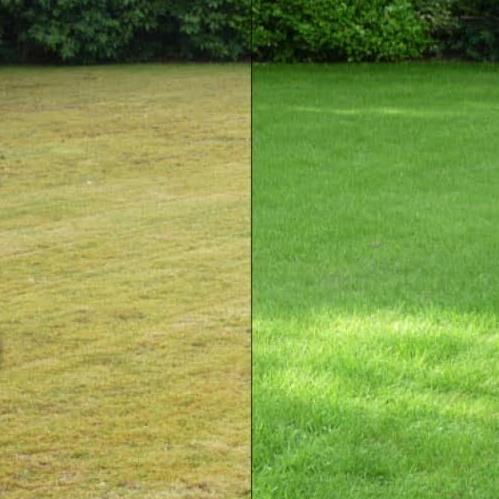

Spring fertilizing builds the base for a healthy lawn. Grass exits winter dormancy with low nutrient reserves. A well-timed application fuels early growth, repairs winter damage, and prepares the turf for heat and foot traffic.

The main benefit is stronger root development. Early nutrients push roots deeper and increase density. A thicker lawn blocks weeds by limiting space and light. You spend less time on weed control later. Improved density also reduces soil erosion and helps the lawn hold moisture.

Choosing the right fertilizer matters. In spring, use a fertilizer with a higher nitrogen content to support blade growth and green-up. Look for a balanced or slightly nitrogen-heavy ratio such as 20-5-10 or 24-0-10. Slow-release nitrogen works best because it feeds the lawn over several weeks and prevents rapid, weak growth. If your soil lacks phosphorus, a starter fertilizer with phosphorus helps root development, especially for new lawns. Potassium supports overall plant health and stress tolerance, so include it if your soil test shows a need.

Spring fertilizing also improves color and recovery. Lawns green up faster and fill in thin areas from snow mold or traffic damage. Consistent feeding creates uniform growth, which leads to a cleaner cut when mowing. Pair fertilizing with proper mowing height and steady watering to maintain results.

Apply fertilizer when the grass starts active growth and soil temperatures reach about 50 to 55 degrees. Avoid heavy applications too early, which can lead to runoff and wasted product. A strong spring program reduces the need for heavy treatments later and keeps your lawn performing through summer.

06 Apr 2026

Shadescaping – How to Enjoy the Summer Heat

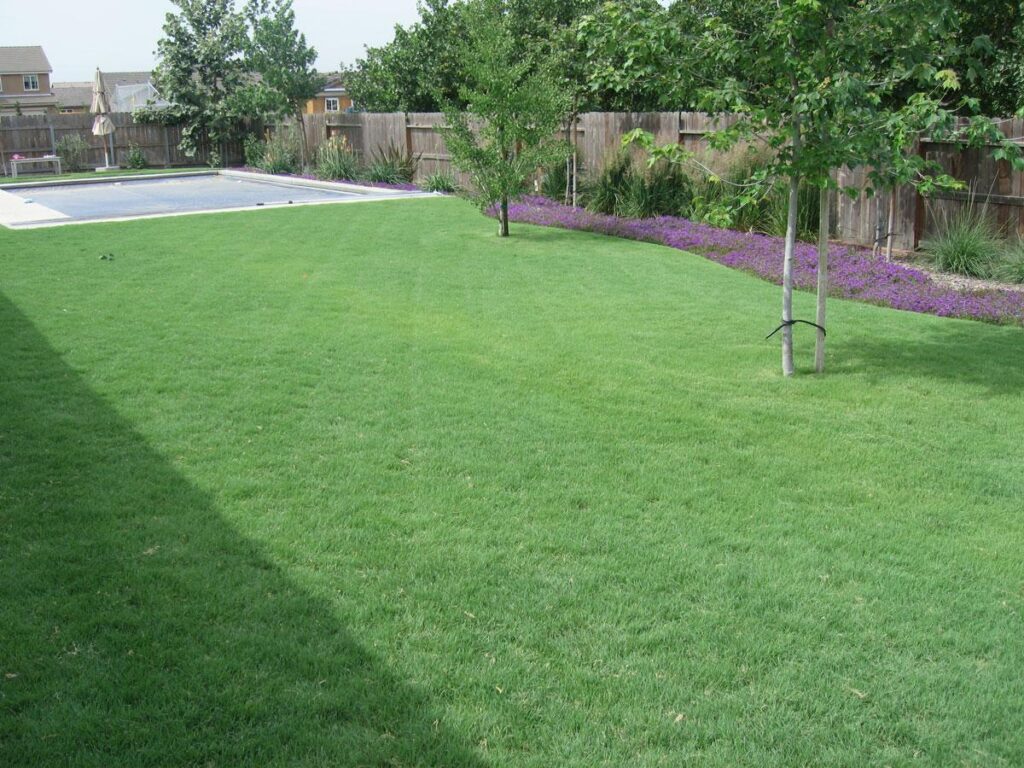
Creating shade in your backyard improves comfort, protects surfaces, and extends how you use your space. Direct sun raises temperatures fast and limits when you can sit, cook, or entertain. A few well-chosen shade features fix this and add structure to your yard.

Start with trees. They give the most natural coverage and reduce heat over a wide area. Place shade trees on the south or west side of patios and seating zones. Fast-growing options like maple or hybrid poplar give quick results. Native species adapt better and need less care. Plan for mature size so roots and canopy fit the space. 

Add built structures where you need immediate shade. Pergolas define a space and cut direct sun while keeping airflow. You can train climbing plants like wisteria or grape for added cover. A solid roof structure gives full protection and works well over outdoor kitchens and dining areas. Place posts outside main traffic paths to keep the layout clean.

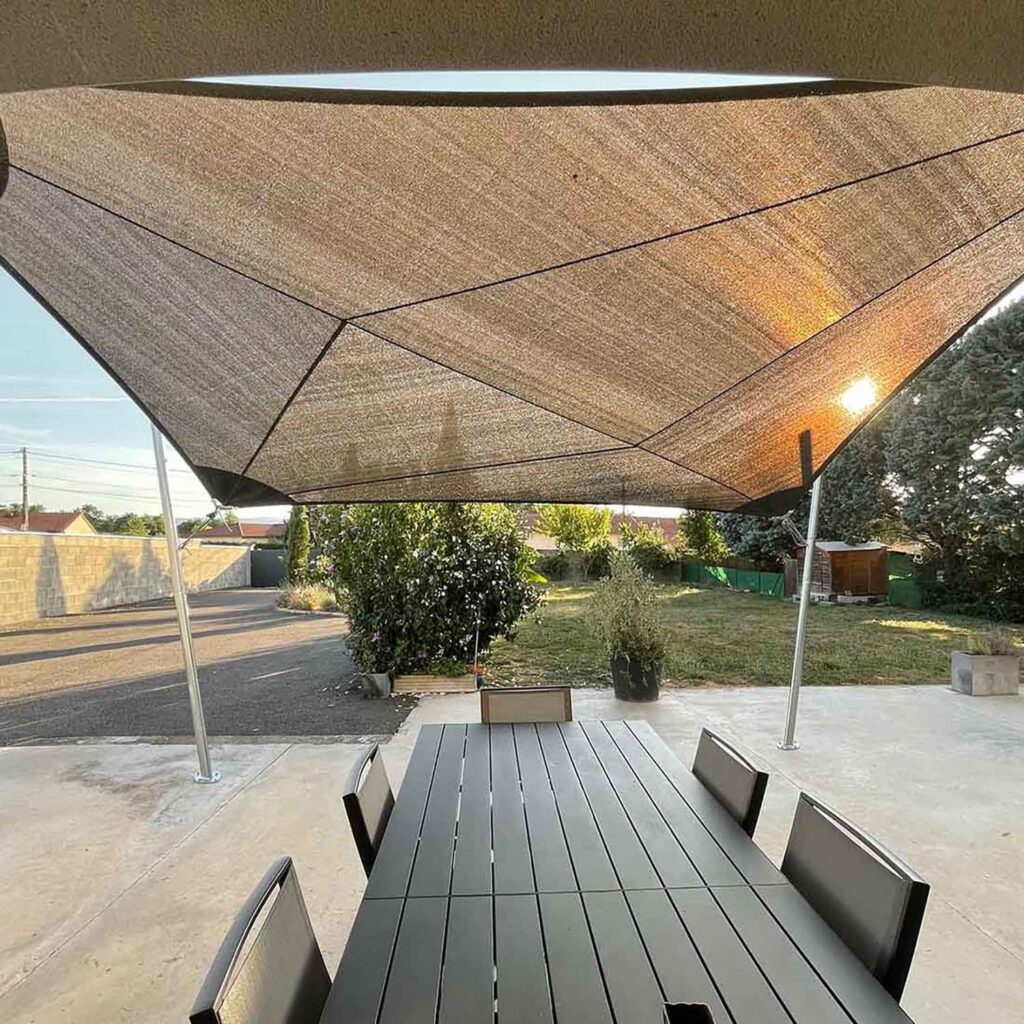
Use flexible options for control. Shade sails stretch between anchor points and cover irregular areas. They install fast and cost less than permanent builds. Large patio umbrellas work for smaller zones and move with the sun. Retractable awnings attach to the house and extend when needed, then retract to bring light back in.

Combine methods for best results. Trees cool the area overall, while structures target specific zones. Light-colored materials reflect heat and keep surfaces cooler. Permeable pavers and ground cover reduce heat buildup compared to dark, solid surfaces.

Plan drainage and maintenance from the start. Shade increases moisture retention, so ensure water flows away from foundations and seating areas. Choose durable fabrics and hardware rated for wind. Trim trees to maintain clearance and healthy growth.

A shaded backyard stays usable through more of the day and across more of the season. You gain a cooler, more functional space without major changes to your home.

04 Apr 2016

Supporting Wildlife Corridors

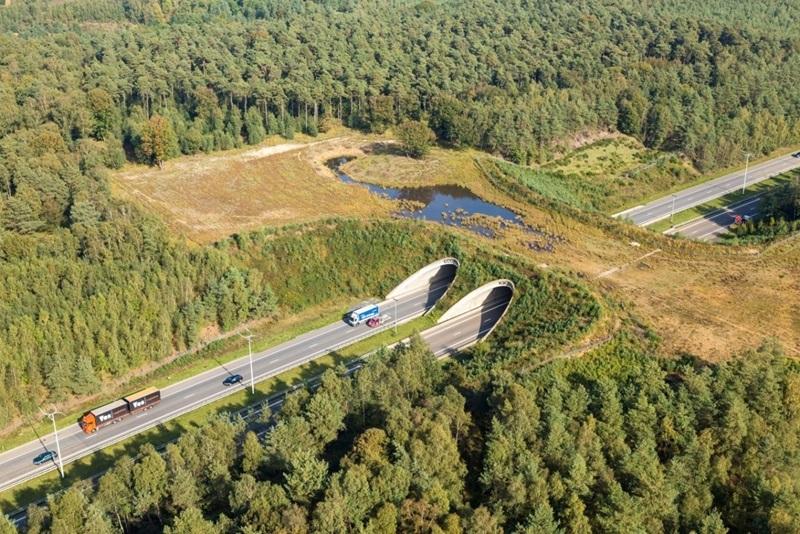
Wildlife corridors are strips of habitat that connect fragmented ecosystems. They allow animals to move between feeding, breeding, and wintering areas. These pathways range from forested riverbanks to engineered highway overpasses. Their value becomes clear when migration patterns break down. When movement stops, populations decline.

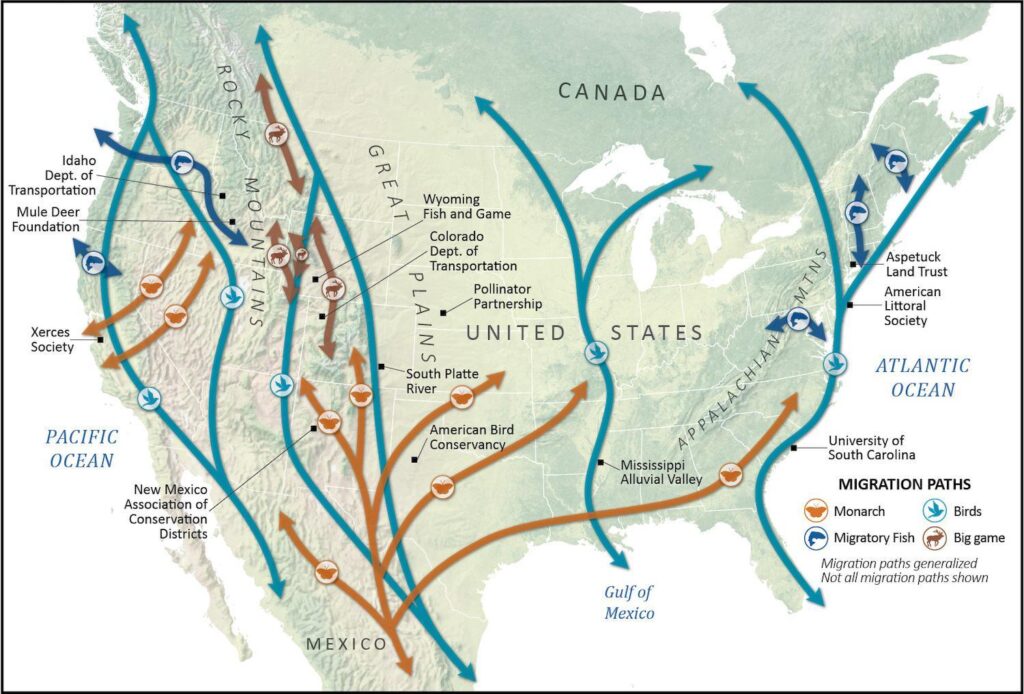
Migration operates at a global scale. About 1,800 bird species migrate long distances each year, many traveling across continents. In North America alone, the Mississippi Flyway carries more than 12 million ducks and geese annually. Some species push the limits of endurance. The Arctic tern travels at least 19,000 km each year between polar regions. These journeys depend on intact stopover habitats. When wetlands or forests disappear, birds lose the ability to refuel. Data shows the impact. North America has lost about 2.9 billion birds since 1970, including a 28 percent drop in migratory species.

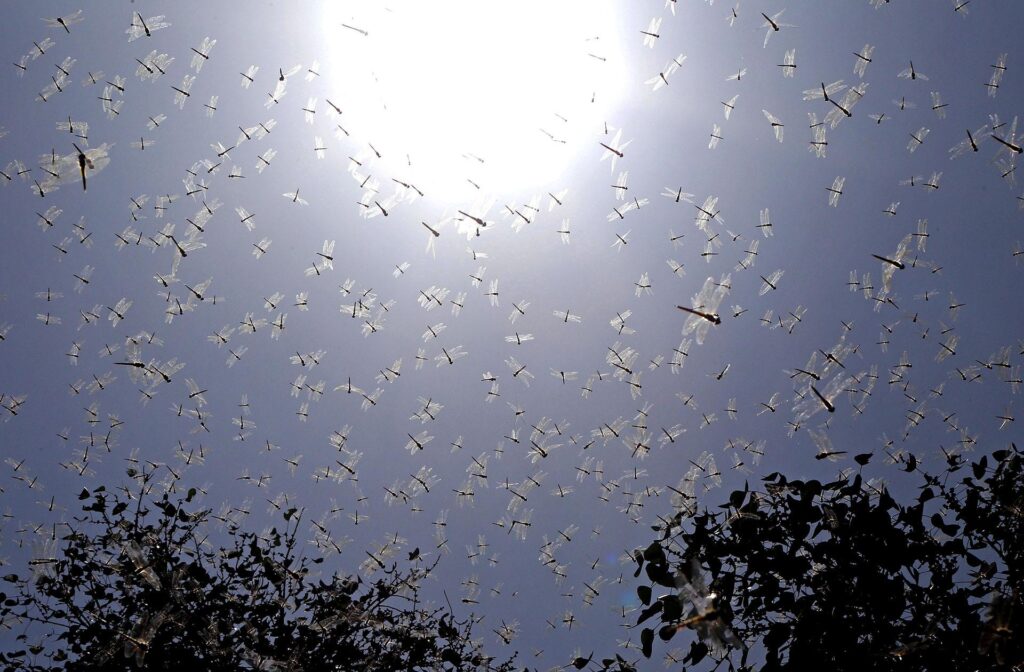
Insects move in even larger numbers. Billions migrate each year across continents, often riding wind currents. At a single mountain pass in the Pyrenees, about 17 million insects pass through annually. These migrations include butterflies, dragonflies, and flies, which make up roughly 62 percent of migrating insects. Some species travel thousands of kilometers, and in rare cases even cross oceans. Unlike birds, insect migrations often span multiple generations, with each generation completing part of the route.

Wildlife corridors support these movements by preserving connectivity. GPS tracking shows animals repeatedly using narrow routes and bottlenecks during migration. When these routes intersect roads or development, mortality rises. Infrastructure solutions exist. In Banff National Park, a network of wildlife crossings reduced animal-vehicle collisions by up to 80 percent and recorded over 200,000 successful crossings. Across the United States, more than 1,000 wildlife crossings now support safe movement.

Corridors also support plant reproduction and ecosystem stability. In one study, butterflies were two to four times more likely to reach connected habitats, increasing plant seed production by 70 percent. These effects scale across ecosystems. Birds disperse seeds. Insects pollinate crops. Movement links these processes across landscapes. Without corridors, ecosystems fragment into isolated patches. With corridors, species retain access to the resources needed for survival.

Wildlife corridors address a clear problem. Migration still occurs at massive scales, but the pathways shrink. Protecting and restoring these routes determines whether large-scale movement continues or collapses.