Landscape Maintenance & Design
31 Aug 2026

Jumping Worms: An Invasive Threat to Gardens

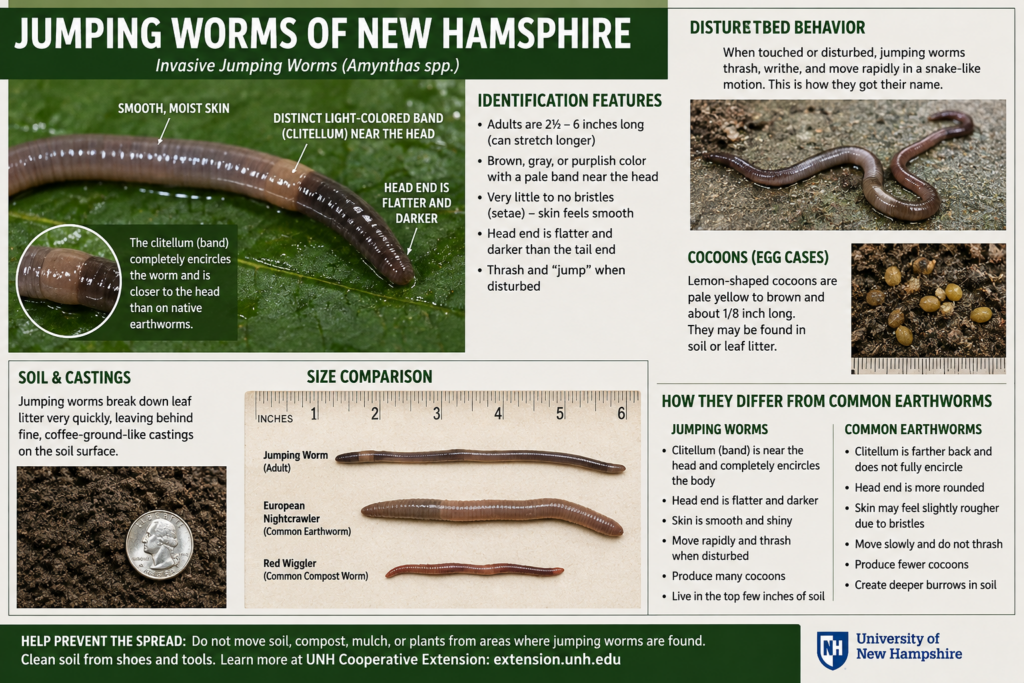
Most of us grew up hearing that finding earthworms in the garden is a good thing. But there is one worm New Hampshire homeowners should learn to recognize. Invasive jumping worms, sometimes called snake worms, are invasive earthworms originally from Asia. Unlike familiar earthworms that tunnel deeper into soil, jumping worms live close to the surface and rapidly consume leaf litter and other organic material. According to UNH Cooperative Extension’s guide to jumping worms, they can dramatically change the upper layer of soil. This potentially affects the plants and organisms that depend on it.
How to Identify

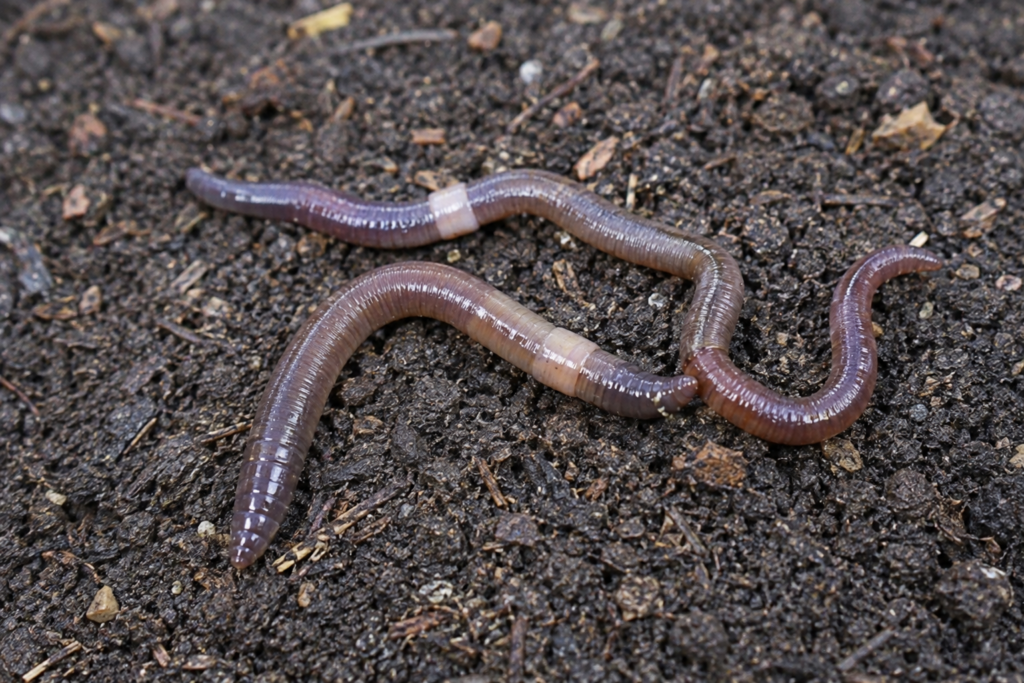
One of the easiest clues may actually be the soil rather than the worm. An area with jumping worms can develop loose, grainy soil that resembles coffee grounds. You might also notice garden mulch or leaf litter disappearing unusually quickly. Adult jumping worms are generally brown to gray with a smooth, light-colored band near the head that completely circles their body. They also behave differently from typical garden worms. When disturbed, they can thrash vigorously and move across the soil in an almost snake-like motion. UNH Extension provides additional identification tips in its jumping worm identification guide.
Why Does This Matter for Your Landscape?

Researchers are still determining exactly how jumping worms affect different soils and ecosystems, but studies show they can change soil chemistry. A 2024 peer-reviewed study, Testing the Impacts of Invasive Jumping Worms at Their Northern Range Limit, found significant effects on soil nitrogen at a residential property in New Brunswick. However, researchers did not find significant effects on total soil carbon or the abundance of European earthworms. Another peer-reviewed study of invasive Amynthas jumping worms and soil nutrients found changes in important nutrients including potassium, calcium, magnesium and phosphorus. Some effects, however, varied by worm species and location. This is an important reminder that the science is still developing. Also, the effects of jumping worms aren’t identical everywhere.
How to Prevent The Spread

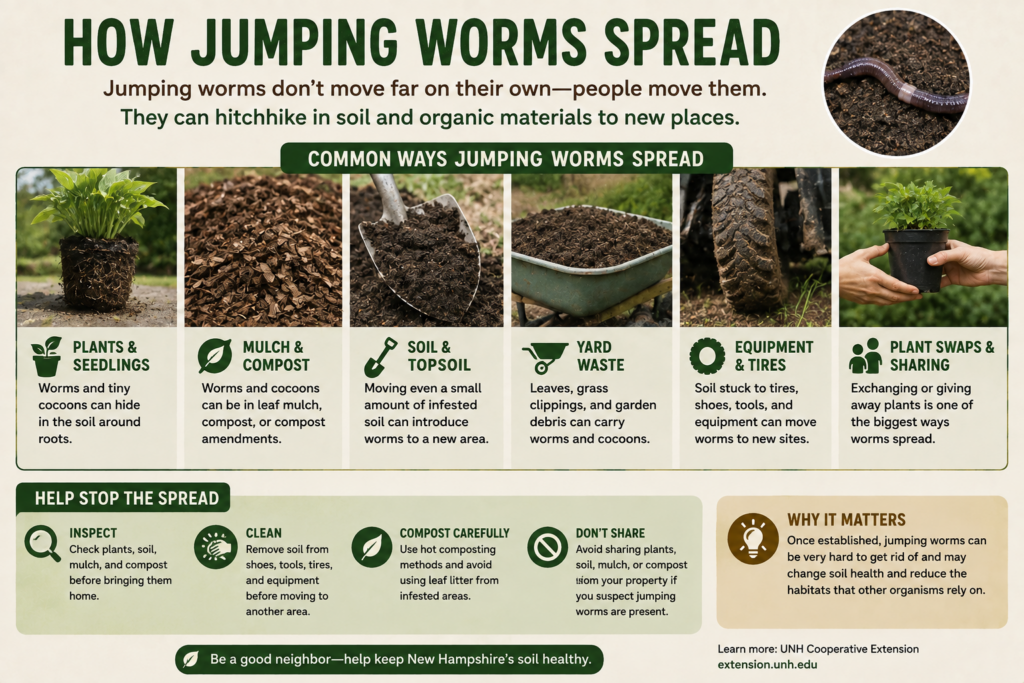
For New Hampshire homeowners, prevention is particularly important. Jumping worms and their cocoons can potentially be moved from property to property through soil, plants, compost and mulch. Before bringing these materials into your landscape, take a moment to inspect them. Be especially careful when dividing and exchanging plants with friends or participating in plant sales. If you suspect jumping worms are already on your property, avoid moving potentially contaminated soil, compost or plants to another yard. You can also contact the UNH Extension Yard & Garden Infoline for help with identification and gardening questions.

Do Not Panic!

Finding jumping worms doesn’t mean you have to give up on your garden. It does mean this is one invasive species worth watching for while you’re weeding, mulching, planting or dividing perennials. Sometimes good landscaping isn’t only about what you add to your yard. It’s also about noticing what has arrived unexpectedly and taking simple steps to prevent it from reaching the next property.
29 Aug 2026

Drought Lawn Care: Keeping Grass Dormant and Alive

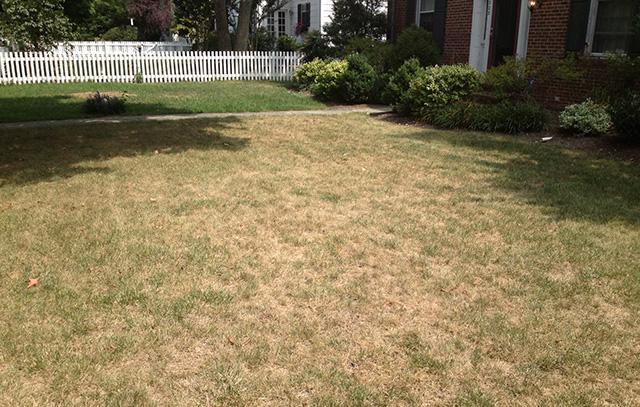
Dry stretches can leave New Hampshire homeowners wondering whether they should keep watering their lawns or simply let the grass turn brown. The good news is that a brown lawn is not necessarily a dead lawn. Many of the cool-season grasses commonly found in New Hampshire can enter dormancy during hot, dry conditions. This is a natural survival response that allows the grass to conserve resources until cooler temperatures and rainfall return. During a drought, your goal does not always need to be keeping every inch of the yard bright green.

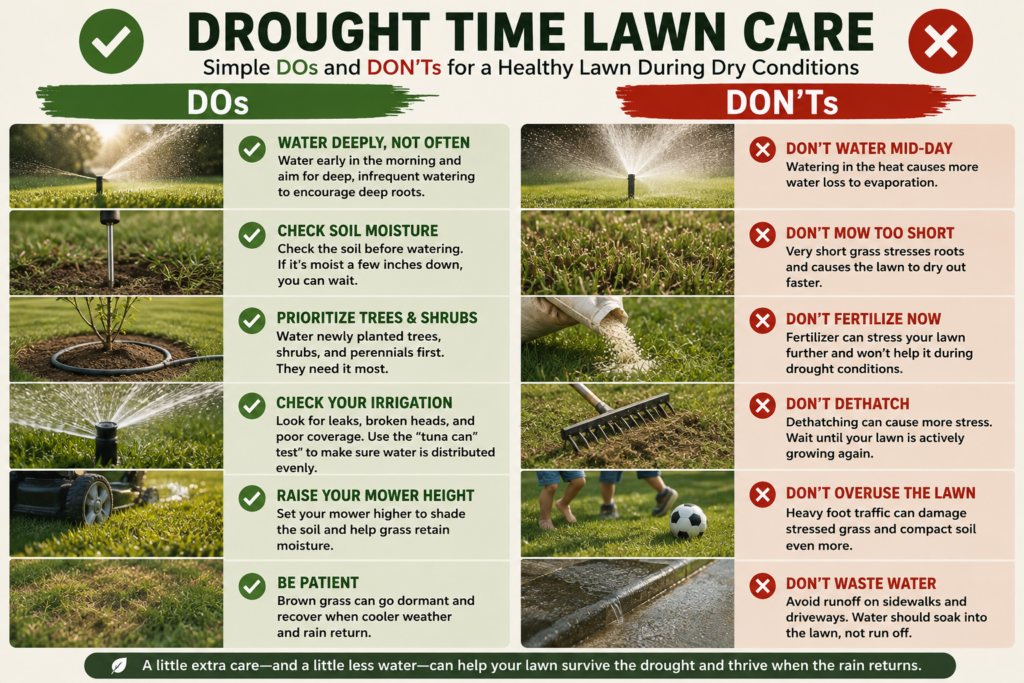
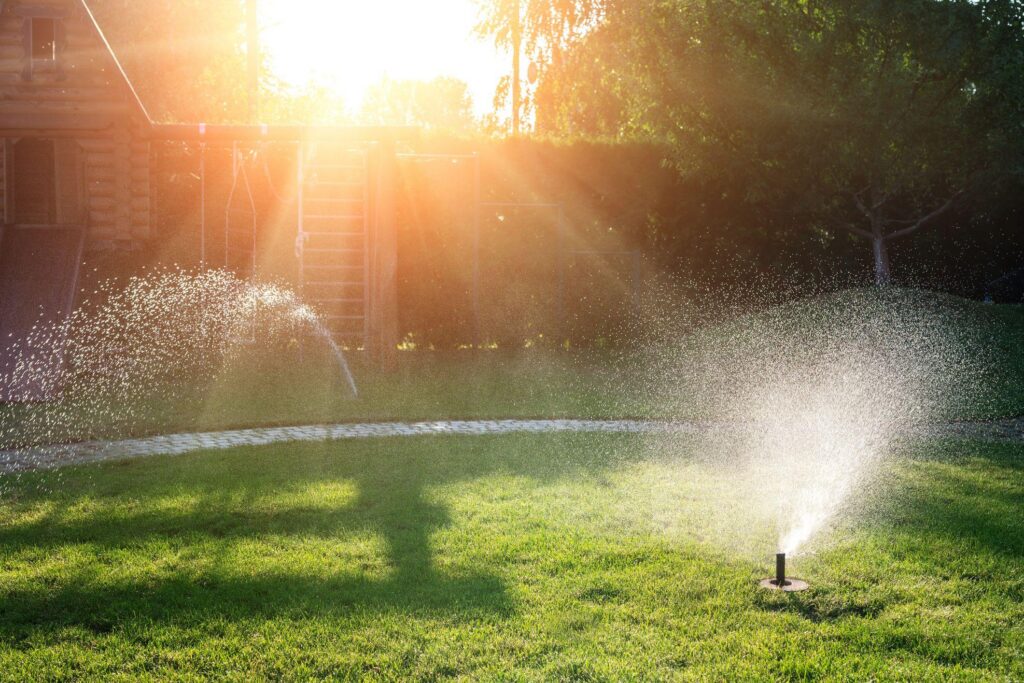
If you decide to water, focus on watering deeply rather than frequently. Deep watering encourages roots to reach farther into the soil, while frequent shallow watering can encourage roots to remain near the surface. Early morning is generally the best time to run irrigation because temperatures are cooler and less water is lost to evaporation.
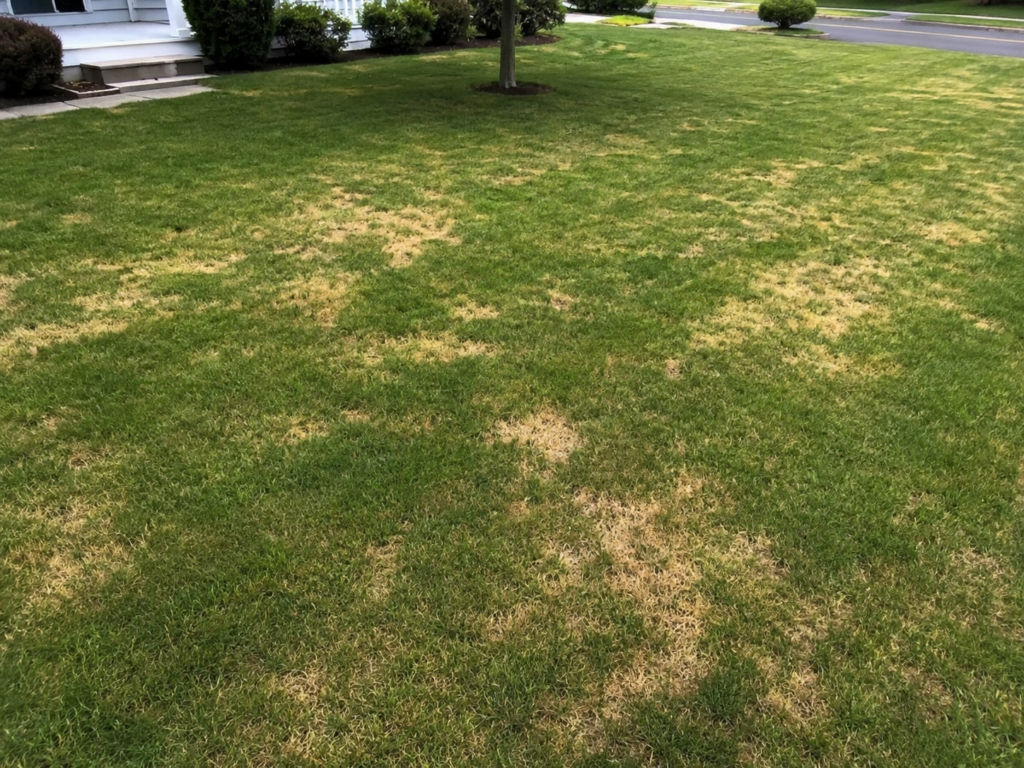
Before watering, check the soil rather than relying only on how the grass looks. Push a screwdriver several inches into the ground. If it slides in easily and the soil feels moist, your lawn may not need additional water yet. Also check for local watering restrictions before running an irrigation system during drought conditions.

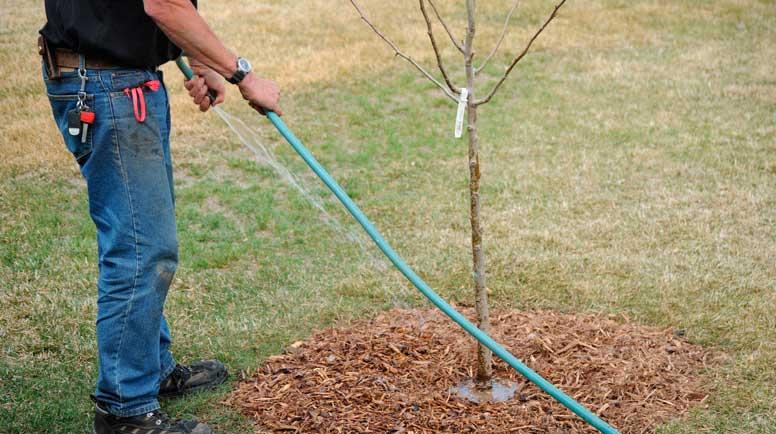
Trees, shrubs, and newly installed plants deserve special attention when water is limited. An established lawn can often recover from dormancy, while drought damage to a young tree or newly planted shrub can be much harder to reverse. Give priority to newer plantings and water slowly around their root zones. Mulching around trees and shrubs can also reduce evaporation, but avoid piling mulch against trunks and stems. A two to three inch layer is generally enough to help the soil hold moisture.

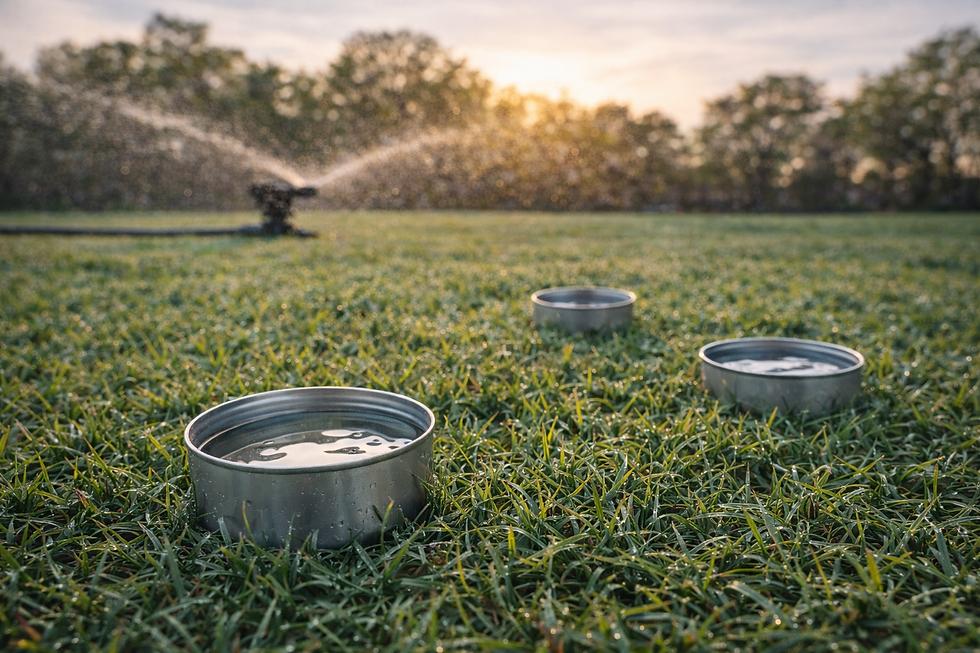
Your irrigation system can also waste more water than you realize. Check for broken sprinkler heads, clogged nozzles, overspray onto driveways, and areas where water runs down the street instead of soaking into the ground. One simple trick is the “tuna can test.” Place several empty, straight-sided cans around the sprinkler zone and run it normally. Comparing the amount collected in each container can reveal areas receiving too much or too little water. During drought conditions, improving irrigation coverage can be more useful than simply increasing watering time.

Finally, resist the urge to “fix” a drought-stressed lawn with extra fertilizer, aggressive dethatching, or very short mowing. These practices can add stress when grass is already trying to conserve resources. Raise your mower height, reduce unnecessary foot traffic, and allow dormant areas some time to recover. As late summer transitions into cooler New Hampshire weather, you can reassess thin or damaged areas and decide whether aeration, overseeding, or other fall lawn care is actually necessary. A drought doesn’t always mean your lawn needs more work. Sometimes it needs smarter watering and a little patience.


13 Aug 2026

The Backyard Wildlife Your Landscape Is Secretly Supporting

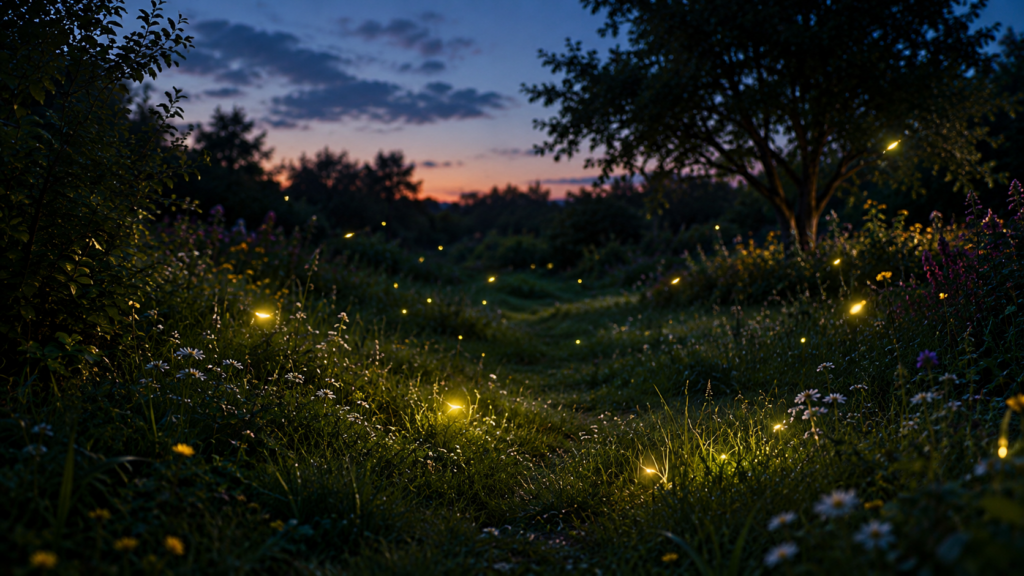
Your landscape is more than just grass, flowers, and shrubs. Every healthy yard in New Hampshire is home to an amazing variety of wildlife, much of it working behind the scenes to keep your landscape healthy. Native bees pollinate flowers, birds help control insects, butterflies add color to the garden, and even fireflies play a role by feeding on slugs and other small pests during their larval stage. If you’ve ever wondered why one yard seems full of birdsong while another feels quiet, the answer often comes down to the plants growing there. Nearly 75% of flowering plants rely on animal pollinators, and about one out of every three bites of food we eat depends on their work.

Meet Your Backyard Helpers

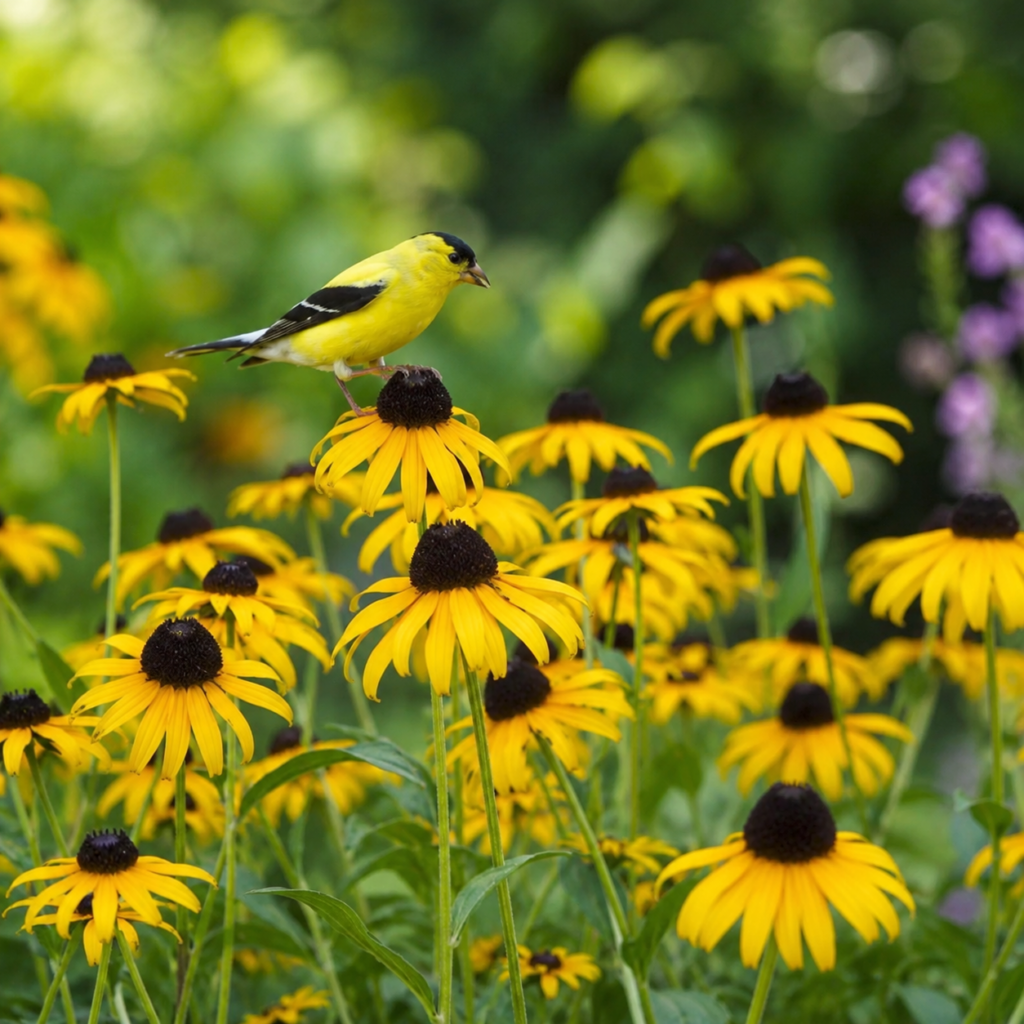
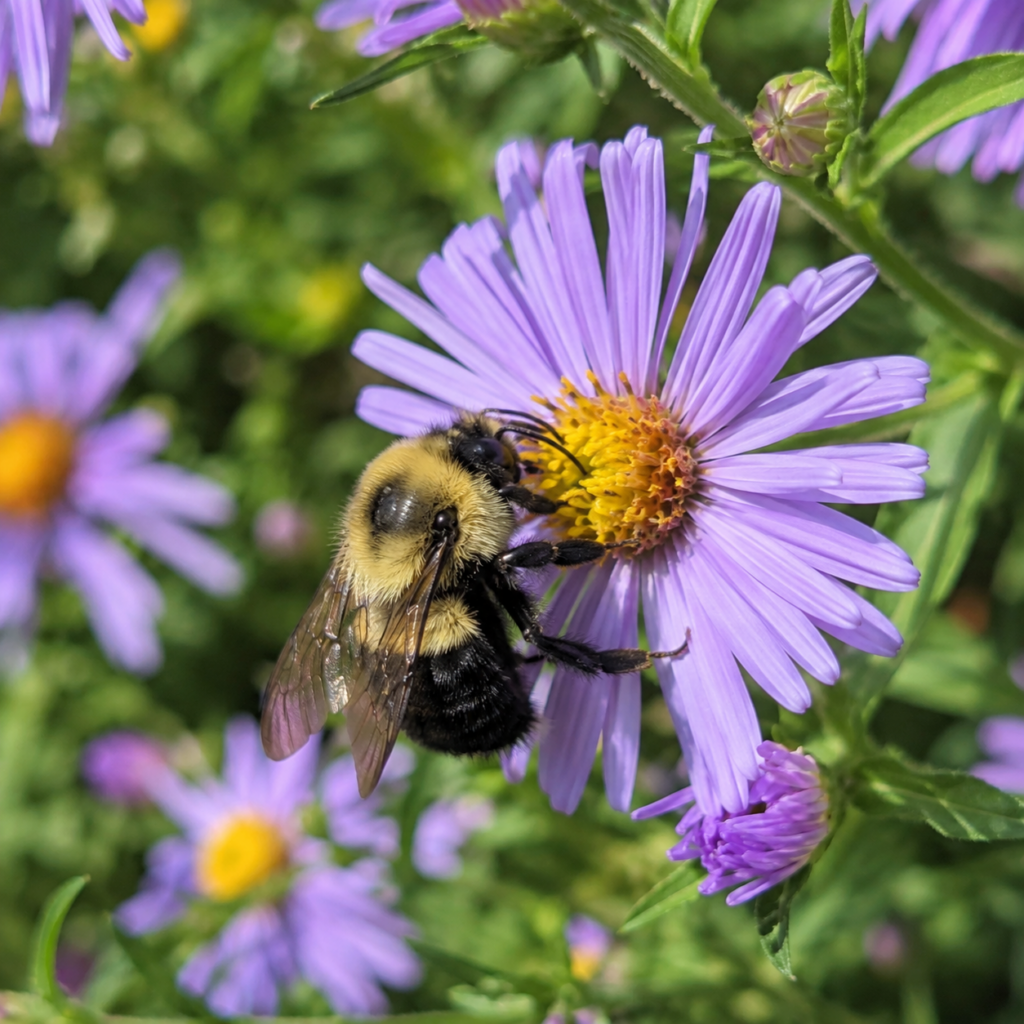
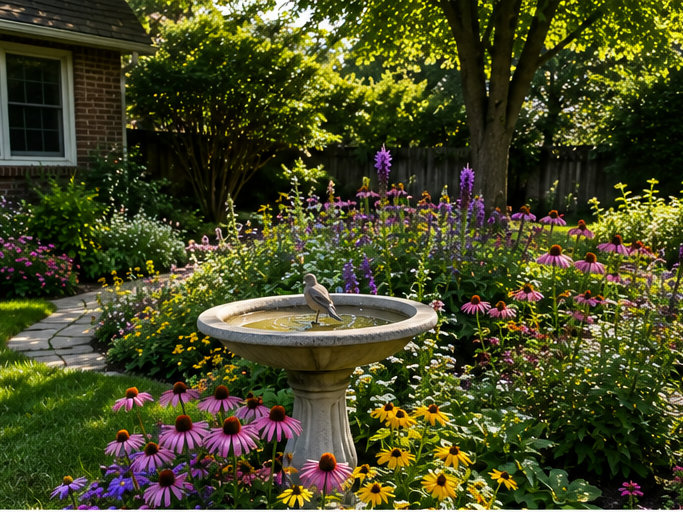
Many homeowners are surprised by the variety of wildlife their yard can support. Bumblebees, mason bees, monarch butterflies, hummingbirds, chickadees, goldfinches, tree frogs, dragonflies, and lightning bugs all benefit from thoughtfully designed landscapes. Birds are especially valuable because they consume thousands of insects while raising their young. Native plants support healthy insect populations, which in turn provide food for birds and other wildlife.

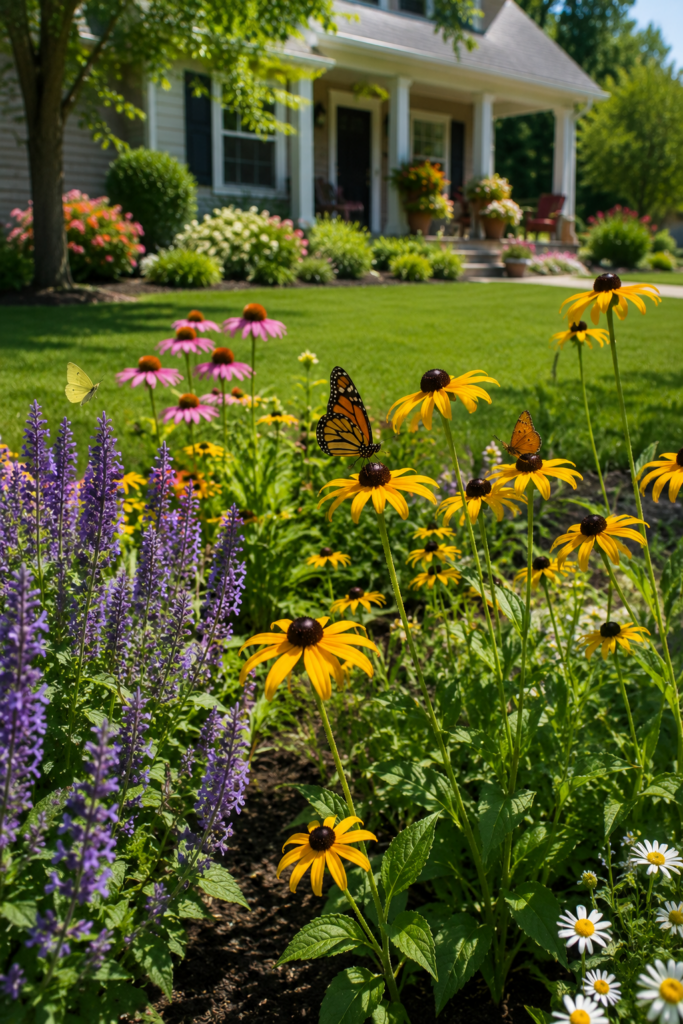
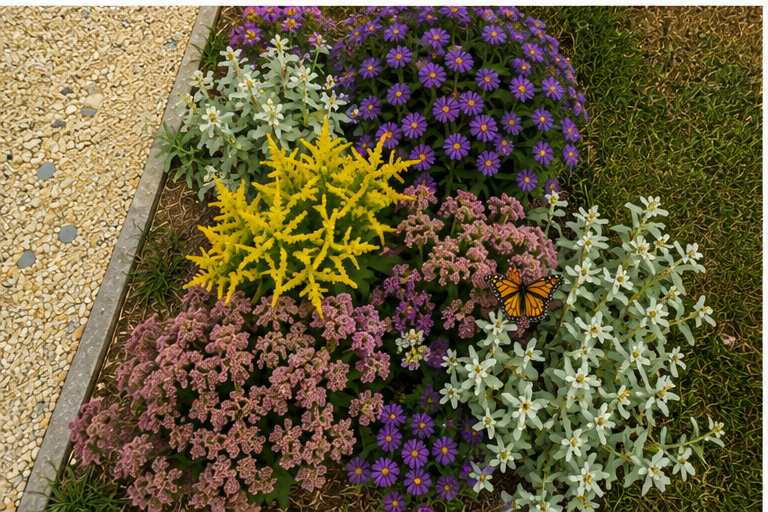
One simple way to attract more wildlife is to plant a variety of flowers that bloom from spring through fall. Early-blooming shrubs feed pollinators emerging after winter, while late-season flowers help insects prepare for colder weather. Native favorites that perform well in New Hampshire include coneflowers, black-eyed Susans, bee balm, asters, goldenrod, summersweet, and serviceberry. Adding a shallow birdbath, leaving a few seed heads standing through winter, and reducing pesticide use can dramatically increase the number of birds, butterflies, and beneficial insects visiting your yard.

Easy Ways to Attract More Wildlife

You don’t need acres of land to create a wildlife-friendly landscape. Even a modest yard can become an important habitat with a few thoughtful choices:

  • Plant native trees, shrubs, and perennials.
  • Include flowers that bloom in spring, summer, and fall.
  • Leave a small patch of ornamental grasses or leaf litter for overwintering insects.
  • Provide fresh water with a shallow birdbath or small water feature.
  • Avoid broad-spectrum pesticides whenever possible.
  • Add berry-producing shrubs to feed birds in fall and winter.

A Few Tips!

Fireflies are becoming less common in many areas due to habitat loss, excessive outdoor lighting, and pesticide use. Leaving small areas of taller grass, preserving leaf litter, and planting native flowers and grasses can help provide the shelter they need to thrive.

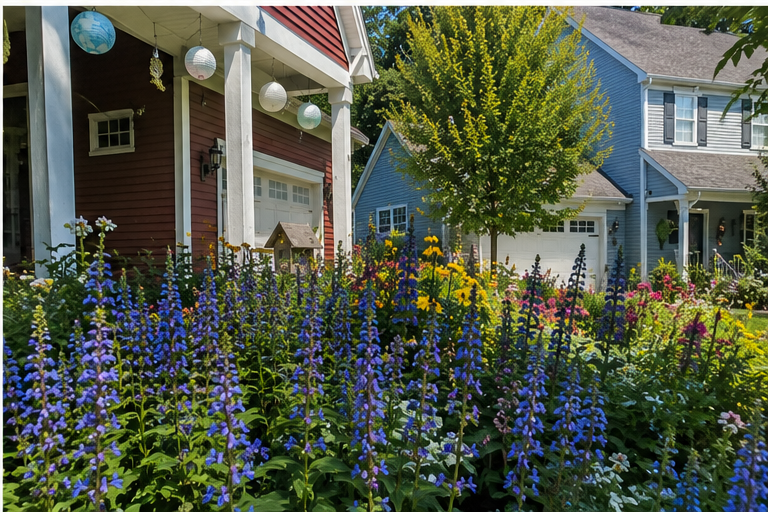
A landscape that welcomes wildlife is often healthier, more colorful, and easier to maintain. Native plants are naturally adapted to New Hampshire’s climate, so they typically require less watering, fewer chemical treatments, and less maintenance once established. By creating habitat for pollinators, birds, and other beneficial wildlife, you’re not only making your yard more enjoyable, you’re helping support the local ecosystem for years to come.

Plant for All Seasons

Choose plants that provide food throughout the year.

  • Spring: Serviceberry, redbud
  • Summer: Bee balm, coneflower, summersweet
  • Fall: Asters, goldenrod, sedum
  • Winter: Inkberry holly, winterberry, red twig dogwood

Create Layers

Wildlife prefers landscapes with different heights.

  • Groundcovers
  • Perennials
  • Shrubs
  • Small ornamental trees
  • Mature shade trees

This layered approach provides nesting sites, shelter, and food for many different species.

Pro Tip for New Hampshire Homeowners

If you only have room to add one new plant this year, choose a late-blooming native aster or goldenrod. These plants provide one of the last major nectar sources of the season, helping bees and butterflies build the energy reserves they need before winter, while also bringing vibrant color to your landscape when many other flowers have finished blooming.

Thanks for Reading! Leave a comment and tell us about what kind of wildlife you’d love to attract to your property!

30 Jul 2026

The Best Low-Maintenance Shrubs for New Hampshire Landscapes

A beautiful landscape doesn’t have to require hours of maintenance every weekend. One of the easiest ways to create a yard that’s both attractive and easy to care for is by choosing shrubs that naturally thrive in New Hampshire’s climate. Hardy shrubs require less watering, less pruning, and fewer replacements, while still providing color, texture, and curb appeal throughout the year.

Top Low-Maintenance Shrubs for New Hampshire

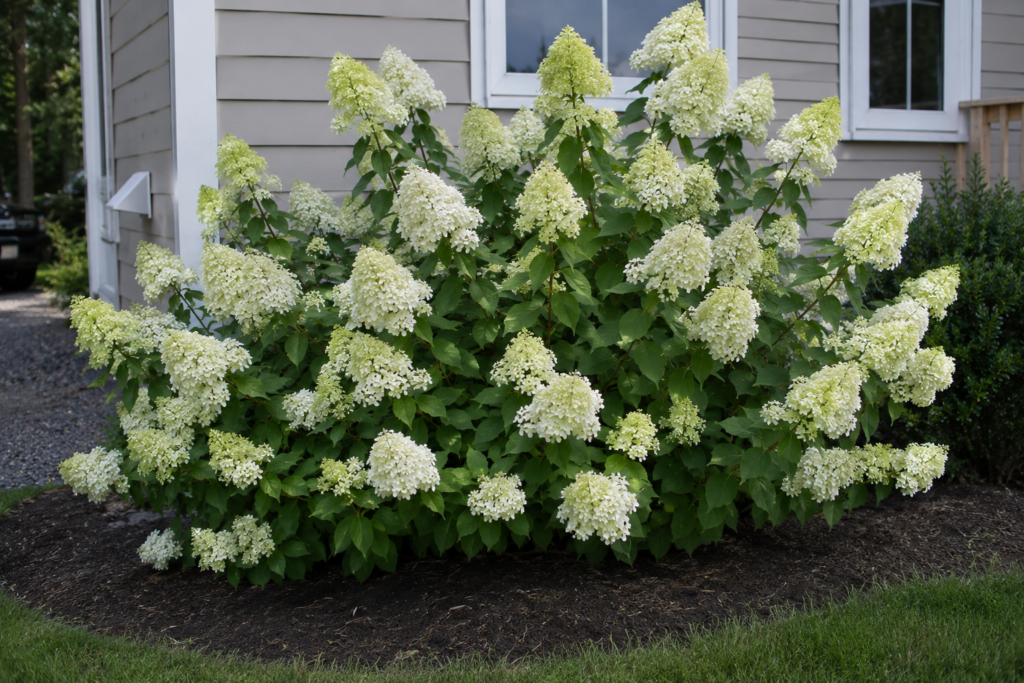
Panicle Hydrangea

Panicle hydrangeas are one of the most dependable flowering shrubs for New Hampshire homeowners. Unlike some hydrangea varieties, they bloom on new wood, meaning they’ll still produce beautiful flowers even after a harsh winter. Their large white blooms begin in midsummer and often last well into the fall.

Best for:
• Foundation plantings
• Accent gardens
• Sunny landscapes


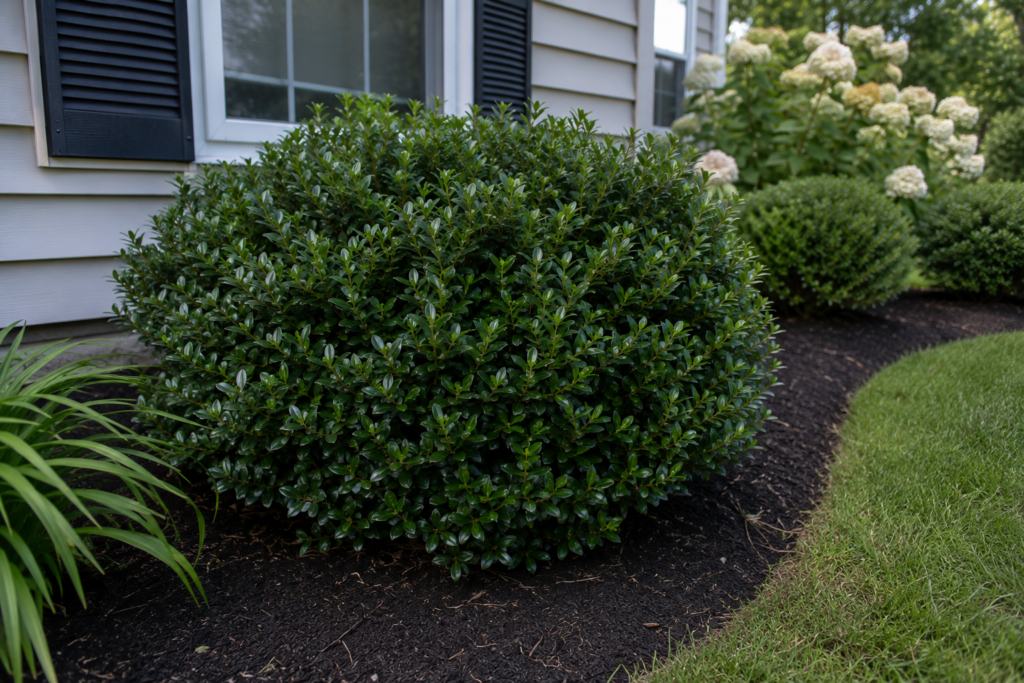
Inkberry Holly

If you like the look of boxwoods but want something more durable, Inkberry holly is an excellent alternative. This native evergreen keeps its dark green foliage year-round and is naturally resistant to many of the pests and diseases that commonly affect boxwoods.

Best for:
• Foundation beds
• Low hedges
• Year-round greenery


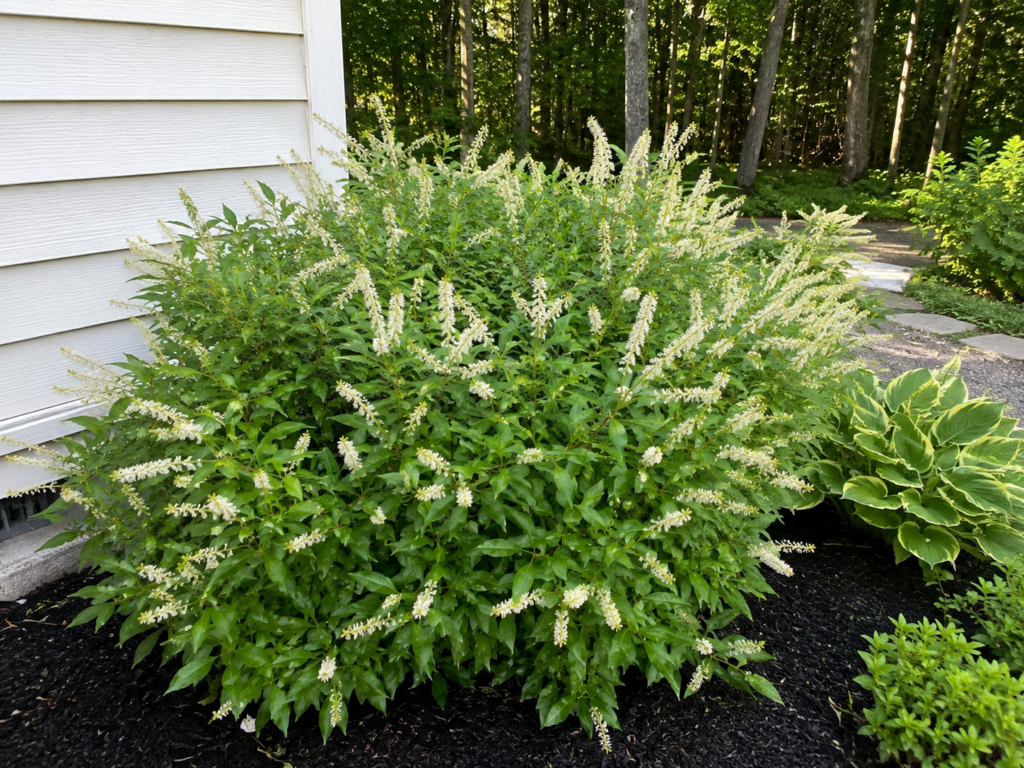
Summersweet

Summersweet is a native shrub that performs especially well in moist soils and partial shade. During mid to late summer, it produces fragrant white flowers that attract butterflies, bees, and other important pollinators.

Best for:
• Rain gardens
• Shady landscapes
• Areas with consistently moist soil


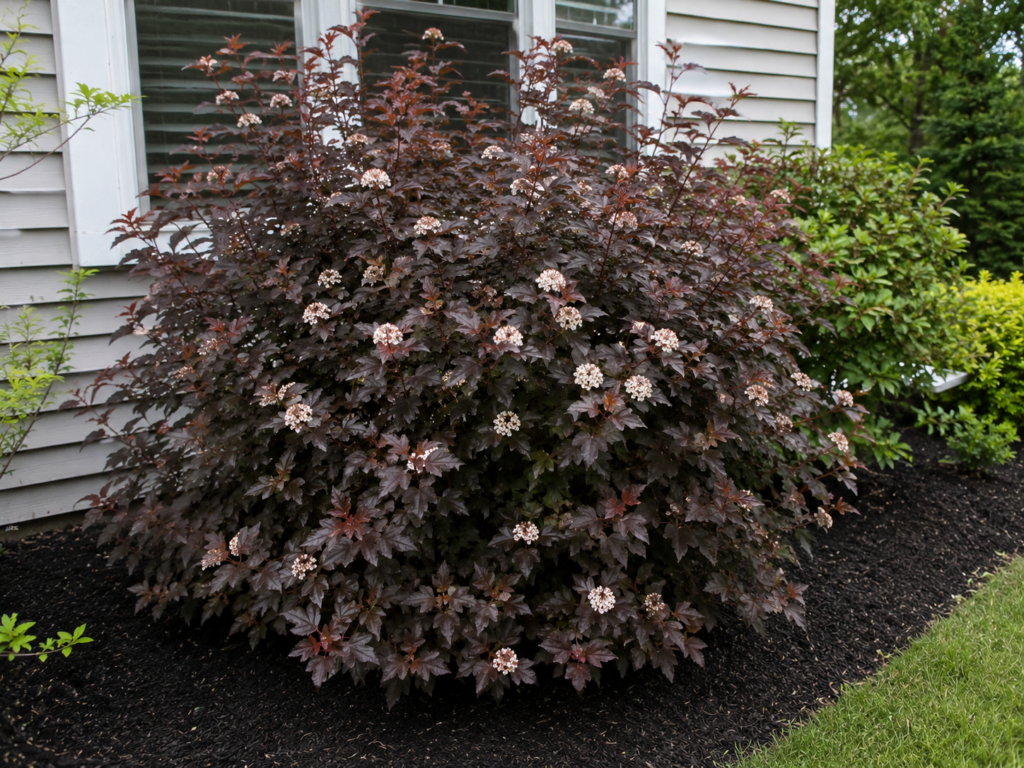
Ninebark

Ninebark provides interest during every season. Its colorful foliage ranges from green to deep burgundy, while its peeling bark adds texture throughout the winter after the leaves have dropped. Once established, it’s extremely hardy and requires very little maintenance.

Best for:
• Accent plantings
• Privacy borders
• Four-season interest


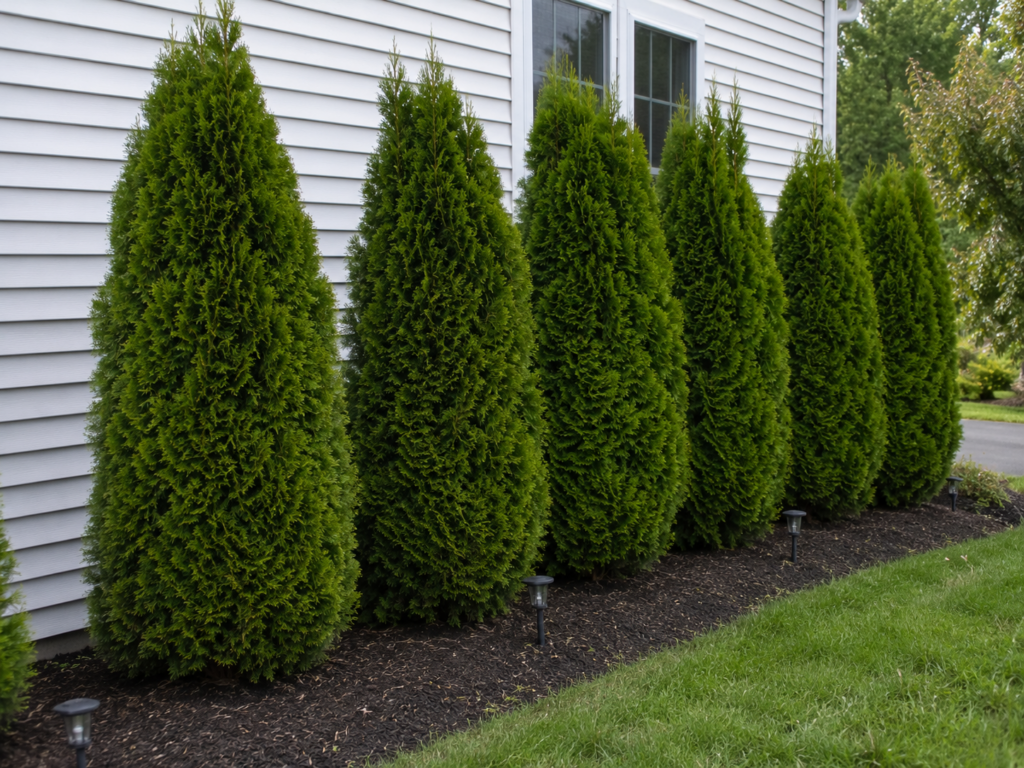
Arborvitae

Arborvitae remains one of the most popular shrubs in New Hampshire for creating privacy screens. It grows relatively quickly, tolerates heavy snow well, and provides year-round color. When planted with enough spacing, arborvitae can last for decades with minimal maintenance.

Best for:
• Privacy screens
• Property borders
• Windbreaks


A Little-Known Tip

Many homeowners stop watering shrubs once the weather cools in the fall. In reality, evergreen shrubs continue losing moisture throughout the winter, even when they’re dormant. Giving arborvitae, inkberry holly, and other evergreens a deep watering before the ground freezes can significantly reduce winter browning and improve their health the following spring.

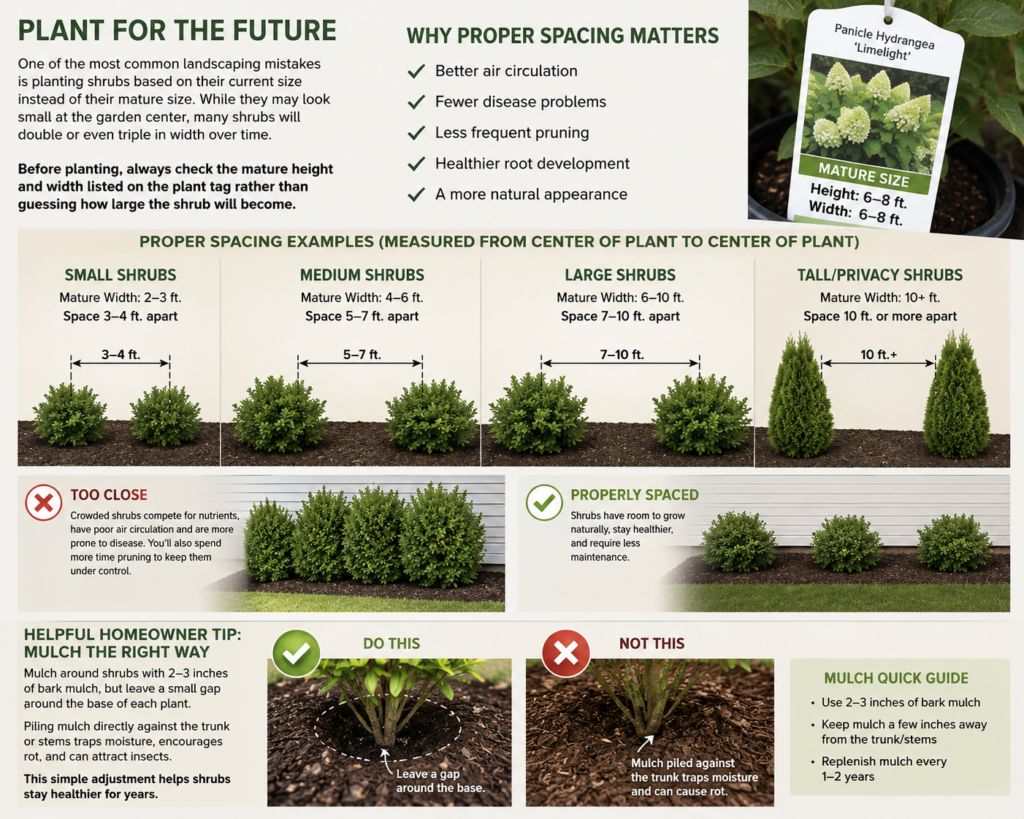
Give Your Shrubs Room to Grow

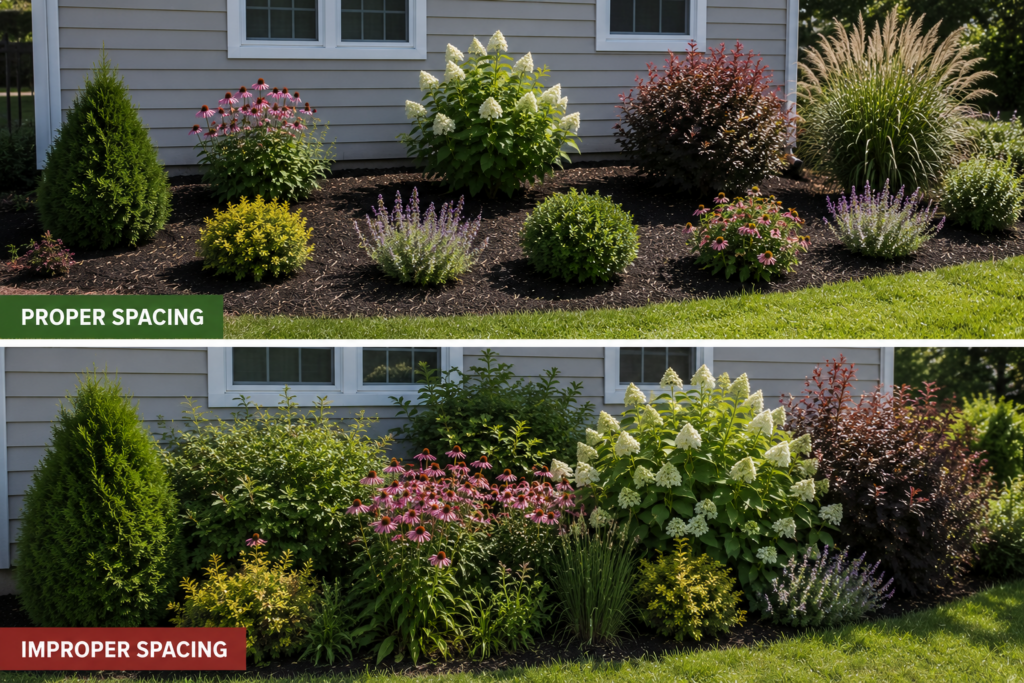
One of the most common landscaping mistakes is planting shrubs based on their current size instead of their mature size. While they may look small at the garden center, many shrubs will double or even triple in width over time. Before planting, always check the mature height and width listed on the plant tag rather than guessing how large the shrub will become.

Proper spacing offers several benefits:

• Better air circulation
• Fewer disease problems
• Less frequent pruning
• Healthier root development
• A more natural appearance

Helpful Homeowner Tip: Mulch around shrubs with two to three inches of bark mulch, but leave a small gap around the base of each plant. Piling mulch directly against the trunk or stems traps moisture, encourages rot, and can attract insects. This simple adjustment helps shrubs stay healthier for years.


Why Choosing the Right Shrubs Matters

Choosing shrubs that are naturally adapted to New Hampshire’s climate is one of the best investments you can make in your landscape! You’ll spend less time watering, pruning, and replacing struggling plants while enjoying healthier gardens and consistent curb appeal throughout every season. By selecting the right plant for the right location, your landscape will look better, require less work, and continue adding beauty to your home for years to come!

Home gardening is a $79 billion industry. Despite fewer households gardening in recent years, Americans spent a record $79 billion on lawn and garden products in 2025, showing that homeowners continue investing in landscapes that are attractive and easier to maintain.


Leave us a comment about your next landscaping project and let us know how we can help!

29 Jun 2026

What is a French Drain, and How Does it Work?

Do parts of your yard stay soggy after a rainstorm? A French drain may be one of the most effective solutions available. Despite the name, a French drain is not a traditional drain at all. It is a simple, underground drainage system designed to collect and redirect excess water away from problem areas in your landscape. French drains are commonly used due to their effectivenesss in addressing common drainage issues, such as: standing water, wet lawns, foundation drainage issues, and areas with poor natural drainage.


A typical French drain consists of a gravel-filled trench containing a perforated pipe. As water collects in the surrounding soil, it filters through the gravel and enters the pipe through small holes. The pipe then carries the water away from the saturated area and releases it at a designated drainage location where it can safely disperse.

French drains work because water naturally follows the path of least resistance. The gravel and pipe create an easier route for water to travel than the compacted soil around it. This helps with a number of drainage issues, including: preventing puddles, reducing soil erosion, and keeping water from accumulating near foundations, patios, walkways, and other areas where excess moisture can cause problems.


Should I consider a French Drain?

Homeowners often install French drains in low spots that remain wet for days after rain, near downspouts that create drainage issues, or alongside foundations where water tends to collect. When properly designed and installed, a French drain can provide a long-term solution that requires very little maintenance while improving the overall health and usability of your landscape.

Another great benefit of French drains is that they often help protect more than just your lawn. By moving water away from structures and planting beds, they can reduce stress on plant roots, minimize erosion, and help prevent moisture-related damage around your home! For many New Hampshire homeowners dealing with drainage problems, a French drain is one of the most effective investments they can make in their landscape.


French Drain vs. Catch Basin

What is the difference between a French Drain and a Catch Basin? A French drain collects water that has soaked into the soil, while a catch basin collects water directly from the surface through a grate.

19 Jun 2026

A Homeowners Guide to Garden Bed Edging


Choosing Your Edging Type: Let’s Compare

Provided that there are so many options available, choosing the right Garden Bed Edging material depends on your budget, style, and maintenance preferences. The purpose of edging is to create a clear separation between lawns, garden beds, and walkways, while also helping to keep mulch, stone, and soil where they belong. Regardless, Garden Bed Edging is one of the simplest ways to make a landscape look clean, organized, and professionally maintained.

Plastic and Metal Edging

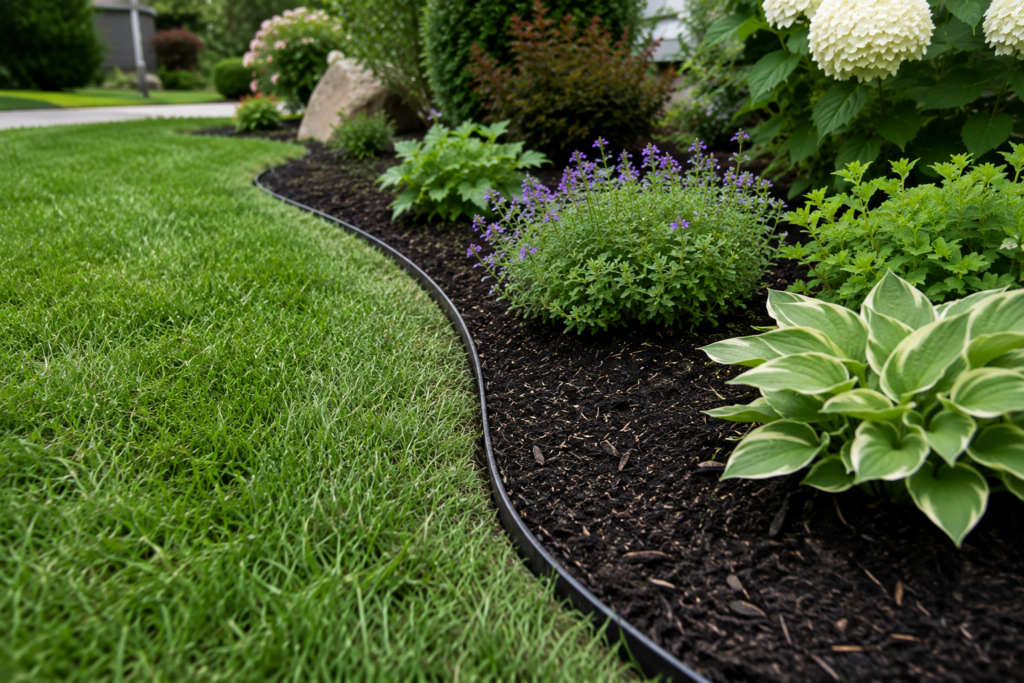
Plastic and Metal edging are very popular for their ability to create a clean, nearly invisible border.

Metal Edging tends to last longer and provide a more upscale appearance. Consequently, it usually costs more and requires careful installation.

Plastic Edging is more affordable, however it has the potential to crack or shift overtime. Meanwhile, it remains very popular with NH Homeowners and works beautifully for curved garden beds.

Pro Tip: Many New Hampshire landscapers use Metal Edging around permanent foundation beds and plastic edging around seasonal flower beds where changes are more common. This provides the best balance of durability and cost.


Natural Stone and Peastone Borders

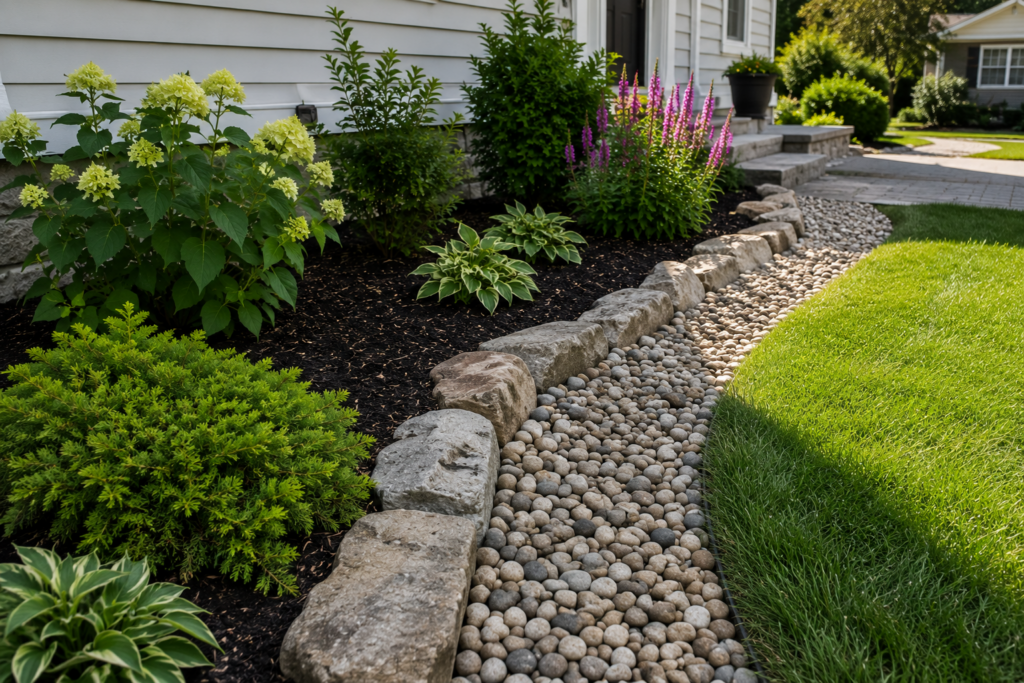
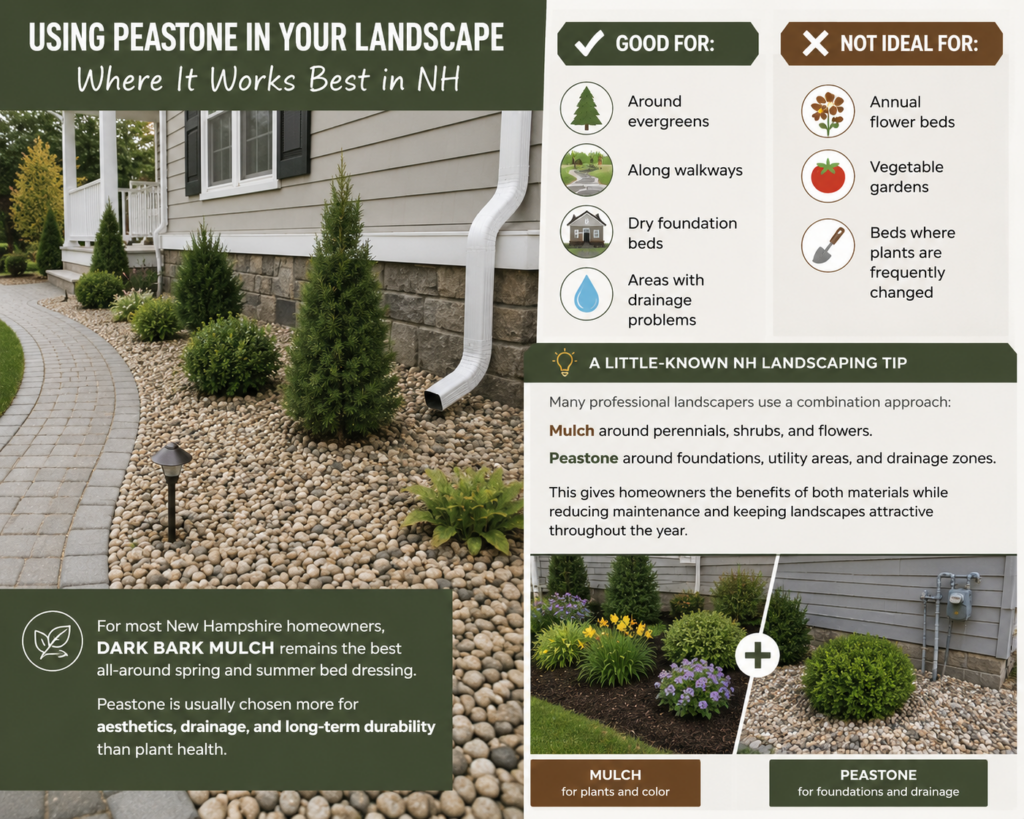
Stone Edging offers a timeless New England look that blends naturally into most landscapes. Fieldstone, Granite, and Decorative Stone borders are especially popular in New Hampshire gardens. Stone is extremely durable and adds curb appeal, but it is often more expensive and labor-intensive to install. Peastone can also be used to create attractive transition areas around beds and walkways, although it requires occasional maintenance to keep the stones contained.

Many high-end NH landscapes use all three of these materials together:

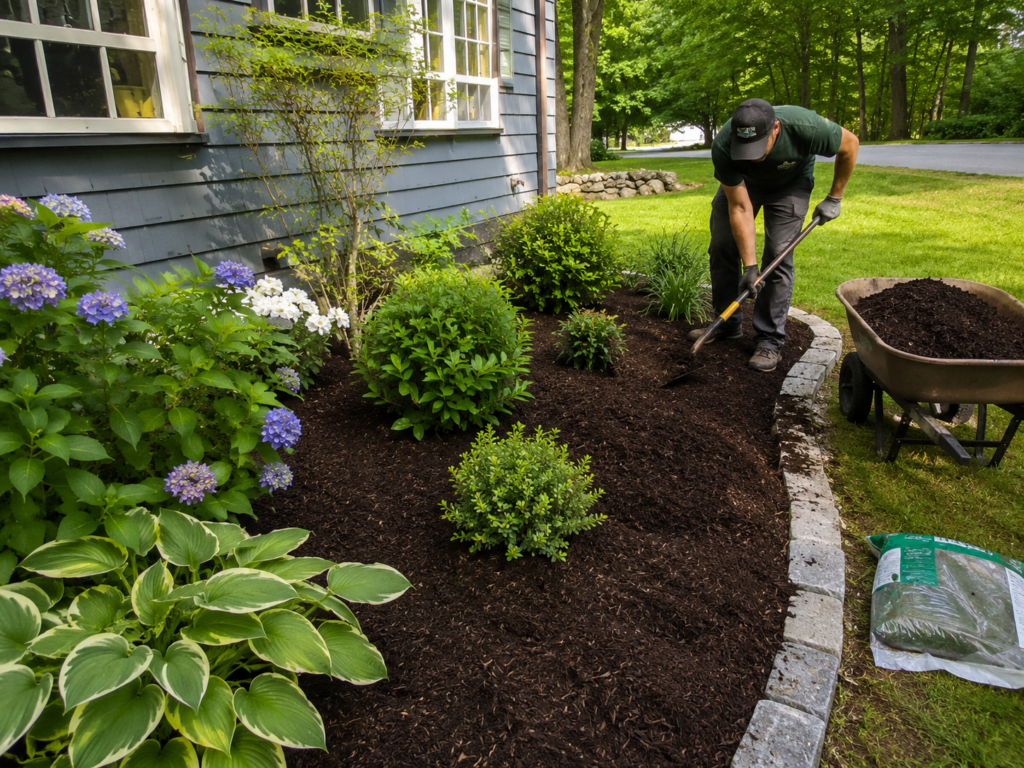
  • Granite cobblestone as the edging.
  • Dark bark mulch in planting beds.
  • Peastone near foundations, downspouts, and drainage areas.

This combination provides excellent curb appeal while standing up to New Hampshire’s harsh winters and heavy spring rains.

Choosing Your Materials

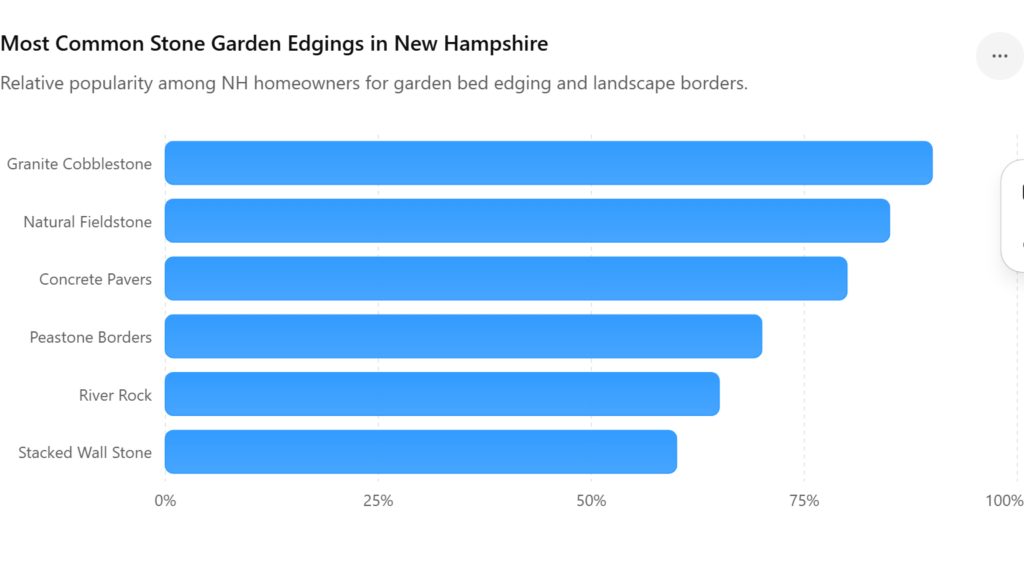
MaterialWhy NH Homeowners Like It
Granite CobblestoneExtremely durable, classic New England appearance, handles freeze-thaw cycles well.
Natural FieldstoneBlends naturally into wooded and rural landscapes common throughout New Hampshire.
Concrete PaversClean appearance, many color choices, works with traditional and modern homes.
PeastoneExcellent drainage, low maintenance, attractive around foundations and walkways.
River RockDecorative, long-lasting, popular in water-management and drainage areas.
Stacked Wall StoneCreates elevation changes and premium-looking garden beds.

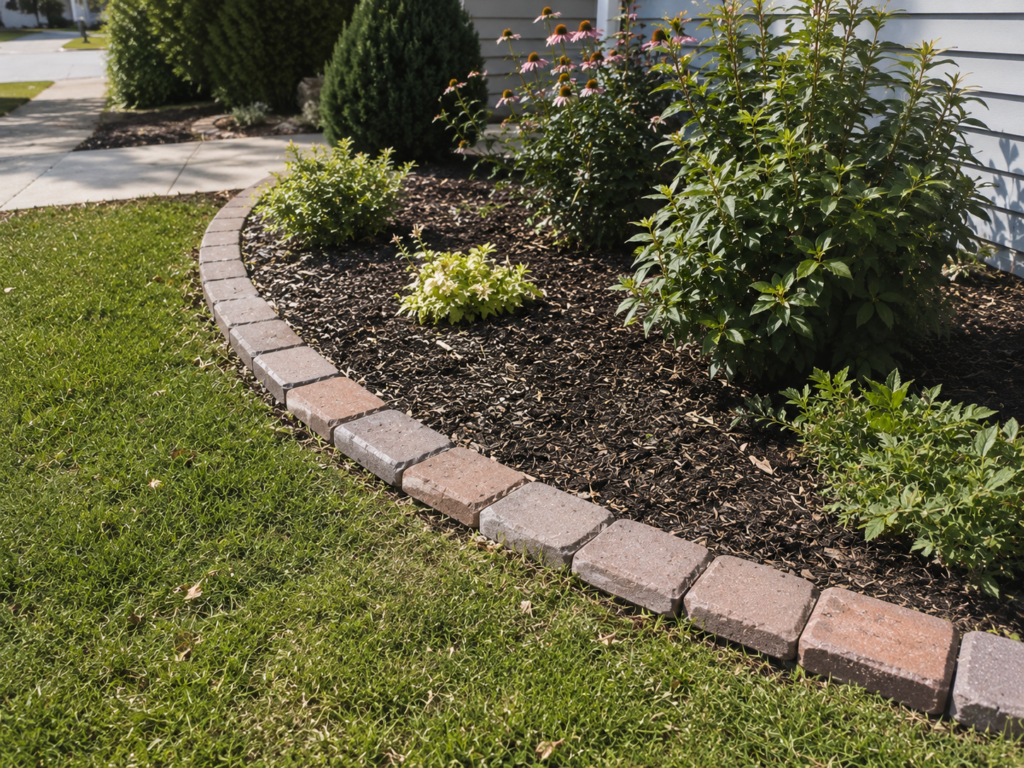
Brick and Concrete Pavers

Brick and concrete pavers provide a formal, polished appearance and can complement many home styles. They are durable, easy to maintain, and available in a wide variety of colors and patterns. The main drawback is the upfront cost and installation effort.

Another Key Point: If not installed properly, frost heaving during New Hampshire winters can sometimes cause individual pavers to shift over time.


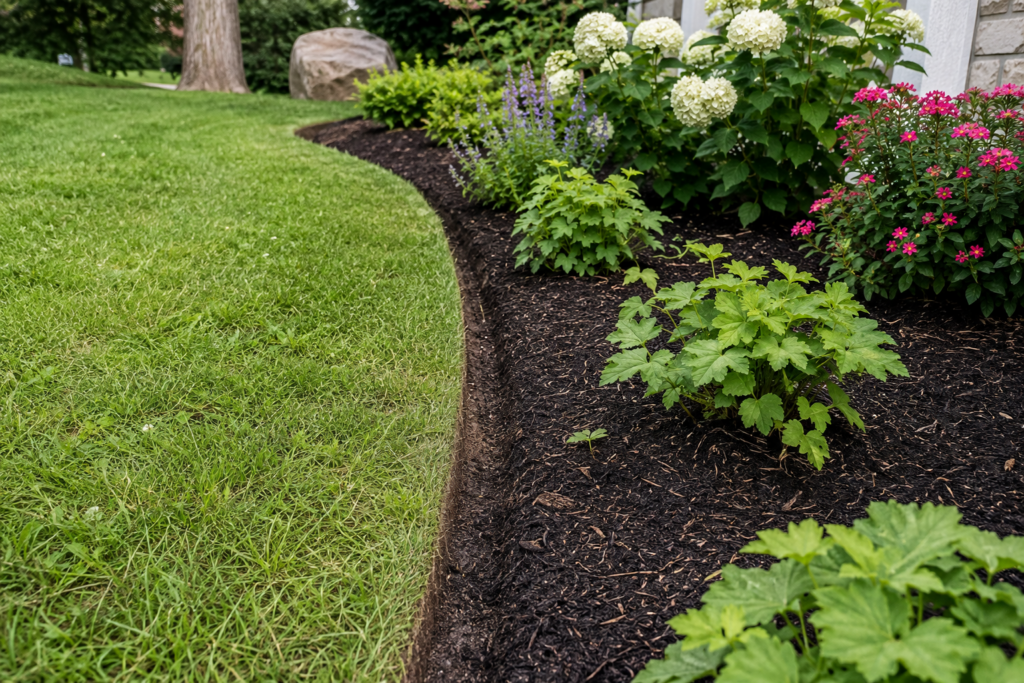
Natural Trenched Edging

Many professional landscapers use this technique because it looks natural and allows for easy mowing. As a result, it will require occasional touch-ups throughout the growing season, in order to maintain its appearance. Even so, Natural Trenched Edging is one of the most affordable options, equally, this method creates a crisp appearance without adding any materials.

Pro Tip: When refreshing a trenched edge, use a flat spade after a light rain. The soil cuts more cleanly, making the job faster and creating a crisper-looking border.


No matter which edging material you choose, the goal is the same: Whether you prefer the simplicity of a Natural Edge, the durability of Stone or Pavers, or the popular Plastic or Metal Edging, well-defined garden beds can make a noticeable difference in the overall appearance of your landscape. All in all, any of these options will create a clean separation that improves curb appeal, above all, and reduces maintenance.


FeaturePlastic EdgingMetal Edging
CostLower costHigher cost
DurabilityModerateExcellent
DIY FriendlyVery easyModerate
AppearanceSimple, nearly invisibleClean, professional look
Best ForBudget-friendly garden bedsPermanent landscape beds
Curved BedsExcellentExcellent
Winter Performance in NHCan crack or shift over timeHandles freeze-thaw cycles well
MaintenanceMay need occasional adjustmentVery little maintenance
Lifespan5 to 15 years typically15+ years commonly
Weed & Mulch ControlGoodExcellent
Installation EffortLowModerate to High
Potential DrawbacksCracking, warping, shiftingHigher cost, more labor to install

11 Jun 2026

A Seasonal Guide to Garden Bed Dressings

For New Hampshire landscapes, the best type of garden bed dressing depends on the season, the look you’re after, and how much maintenance you’re willing to do. Let’s break it down!


A second excellent resource for types of garden bed dressings is:
The Spruce Guide to Mulch Types
It compares organic mulches such as bark, pine bark, straw, and leaves against inorganic options such as gravel and stone, making it easy for homeowners to understand the pros and cons of each.

Now Let’s Talk Seasonal

Refreshing your garden bed dressings throughout the year helps keep plants healthier and landscapes looking their best. New Hampshire’s changing seasons can gradually break down mulch, compact soil, and reduce the effectiveness of your garden beds. A seasonal refresh helps maintain moisture, improve plant health, and keep your landscape looking clean, attractive, and well cared for year-round.

Spring: Mulch Is Usually Best

Why:

Tip:
Apply 2 to 3 inches. More is not better.


Summer: Mulch Continues To Shine

Why: Reduces watering needs during dry spells.

Keeps roots cooler.

Helps prevent soil from drying out.

Best for: Flower beds, Shrub beds, and Foundation plantings.


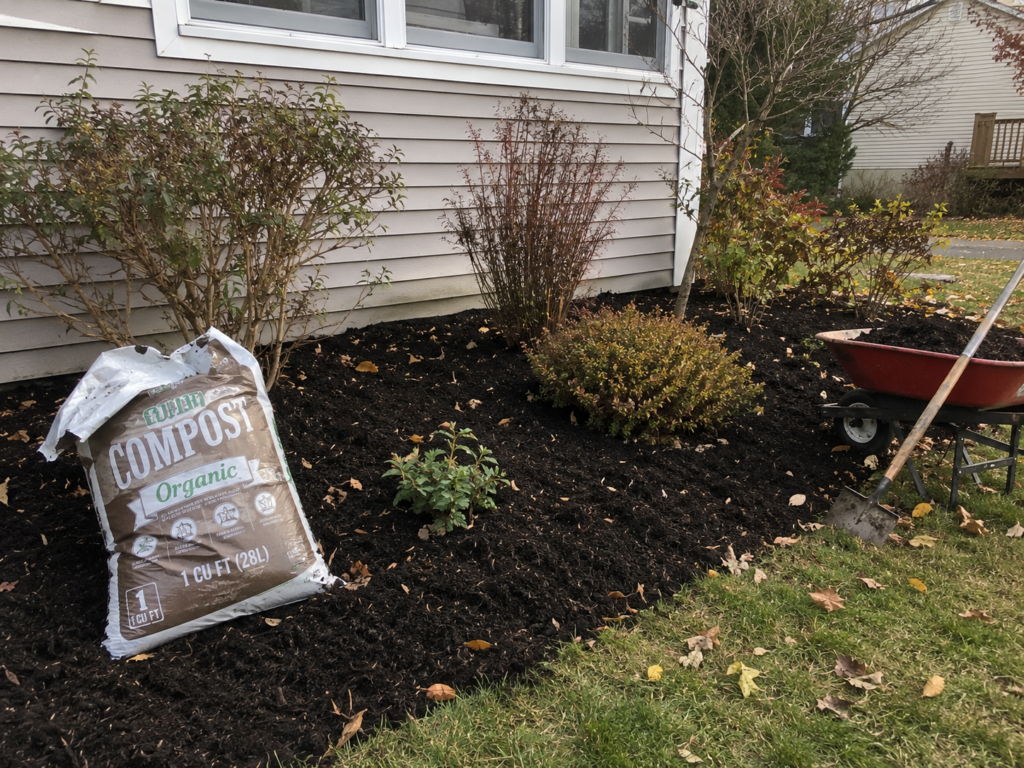
Fall: Mulch or Compost

Why: Insulates roots before winter

Improves soil health

Protects newly planted trees and shrubs

Pro Tip:
Think of fall compost as a savings account for your garden. You’re investing in healthier soil now so your plants can benefit next season. Many gardeners call fall compost “nature’s slow-release fertilizer” because it continues improving soil all winter long, giving plants a head start when spring arrives.


Peastone Dressings: Everything You Need to Know


Some Pro Tips and Facts about Peastone:


04 Jun 2026

Adding Clover to Your NH Lawn: FAQ and Common Questions

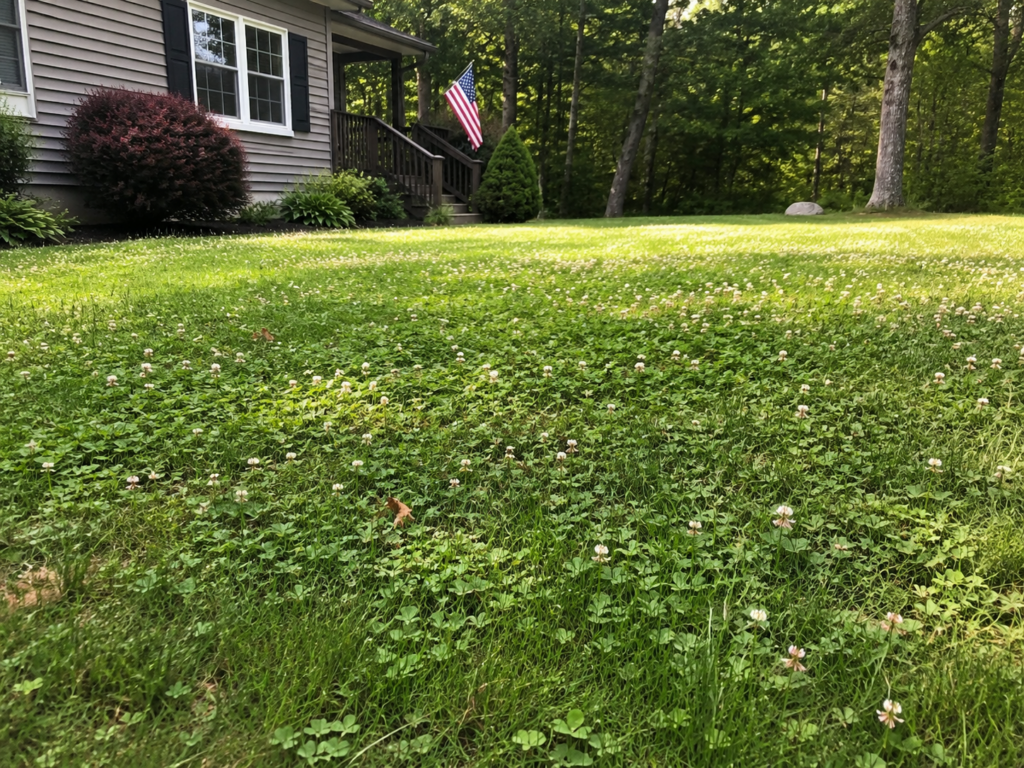
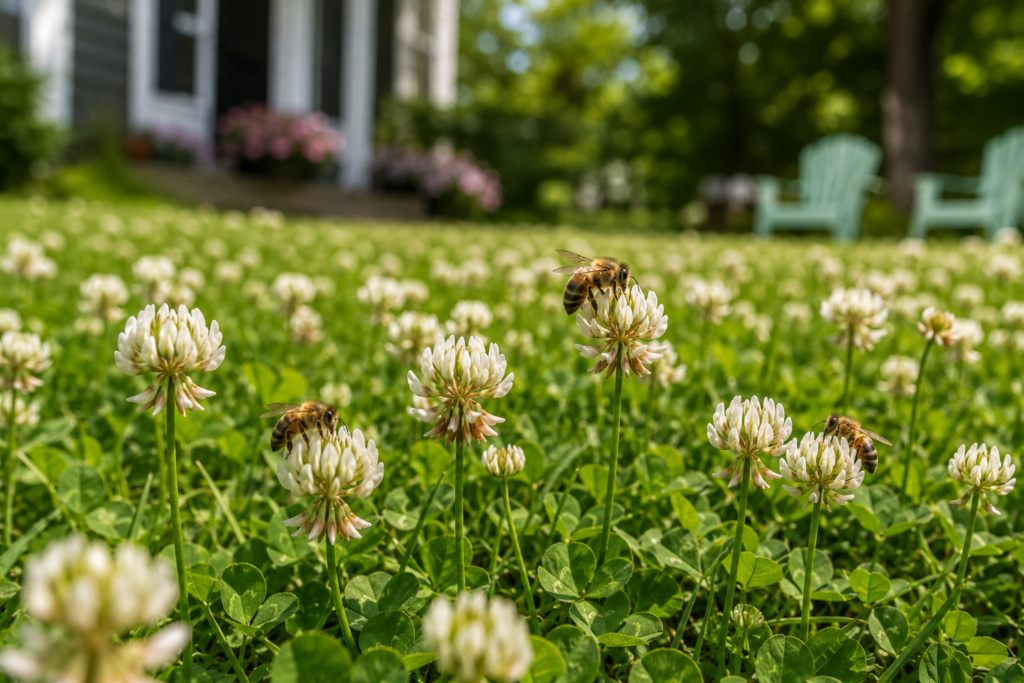
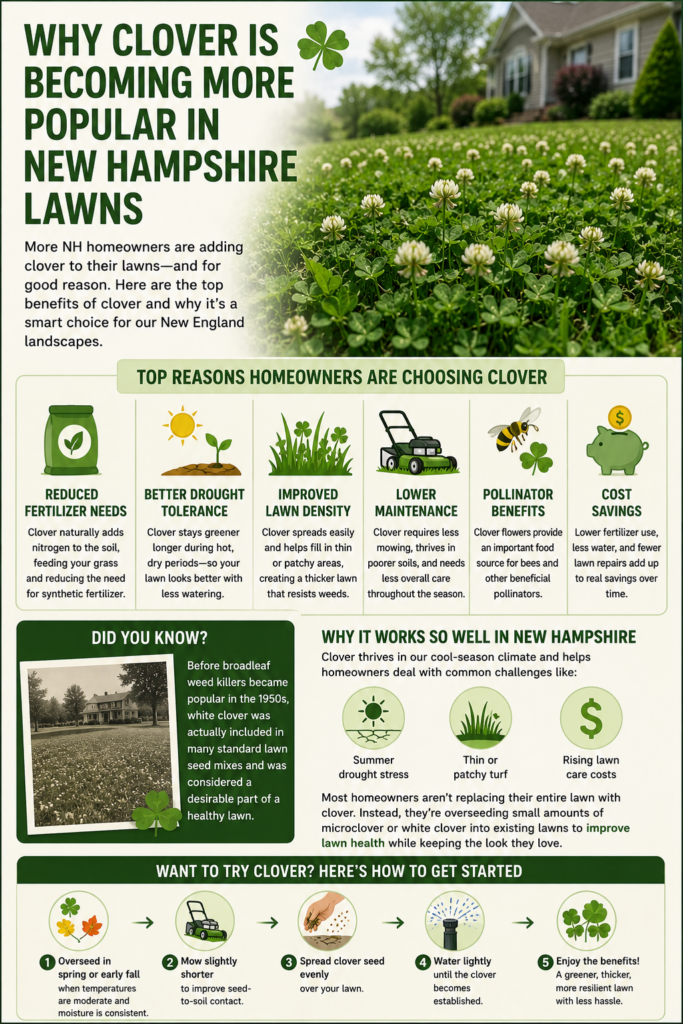
Clover lawns are becoming increasingly popular across New Hampshire, and for good reason. Homeowners are looking for ways to create healthier, greener lawns while reducing water usage, fertilizer costs, and maintenance. Here are some Frequently Asked Questions about Adding Clover to Your Lawn!

Will Adding Clover Take Over My Entire Lawn?

Not necessarily. Many homeowners choose to overseed their existing lawn with a small amount of clover rather than replacing their grass entirely. A grass and clover mix can provide the benefits of both plants while maintaining the traditional lawn appearance most homeowners prefer. In many cases, adding just 5% to 10% clover seed to a lawn can make a noticeable difference.

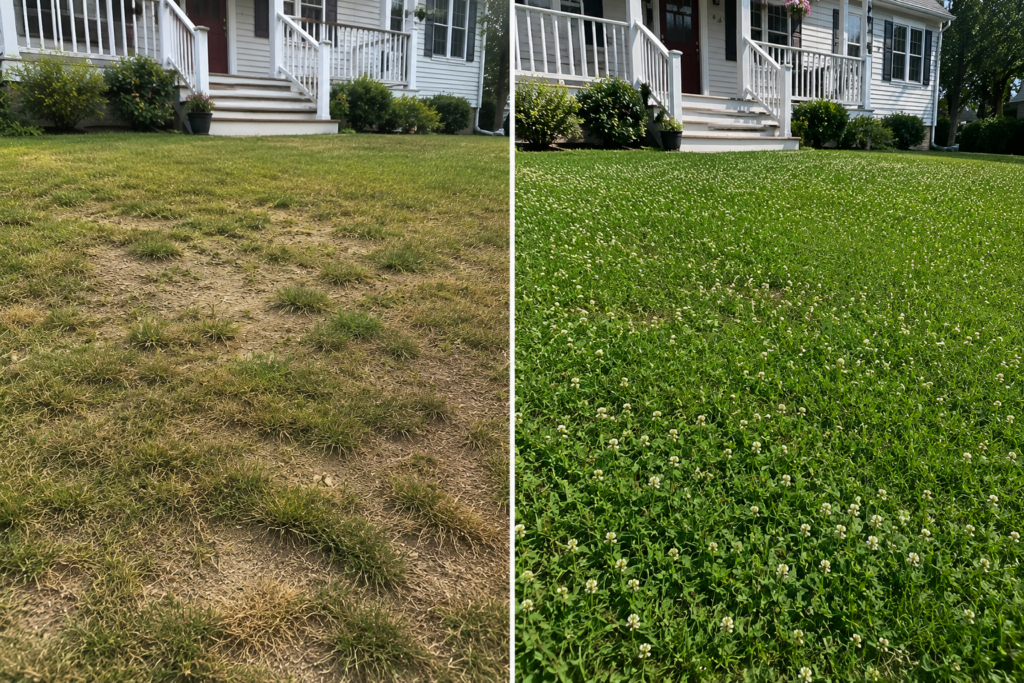
Does Adding Clover Really Help My Lawn?

Yes!

Will Clover Help Reduce Weeds?

A healthy stand of clover can help crowd out many common weeds. Clover grows densely and covers bare areas that weeds often use to establish themselves. While it won’t eliminate every weed, it can help create a thicker, healthier lawn that is naturally more resistant to unwanted growth.

Does Clover Attract Bees?

Yes, especially when it flowers. Many homeowners view this as a benefit because clover provides an important food source for pollinators. If you have children who frequently play barefoot in the yard, mowing before the flowers bloom can help reduce bee activity while still allowing you to enjoy the benefits of clover.

Tips to Successfully Adding Clover

Another Frequently Asked Question about Clover is When to seed. For the best results, overseed clover during the spring or early fall when temperatures are moderate and moisture is more consistent. Mow the lawn slightly shorter than normal before seeding to improve seed-to-soil contact. Keep the area lightly watered until the clover becomes established. Once it begins growing, you’ll likely notice a greener lawn, fewer bare spots, and improved drought resistance.

Is it Really Worth it? Are People Really Doing This?

For More Information on NH Landscaping Topics and Landscaping For Beginners; Please Visit Some of our Other Blog Posts!

28 May 2026

NH Landscaping for Beginners: Easy Fixes for your Pre-Summer Landscaping Troubles

New Hampshire homeowners deal with a lot of landscaping challenges during late spring and early summer. Between heavy rain, changing temperatures, weeds, and irrigation issues, even healthy yards can start showing signs of stress. Many common landscaping problems are actually simple to fix once you know what to look for. Here are some of the most common issues NH homeowners run into this time of year, and a few easy ways to improve them.


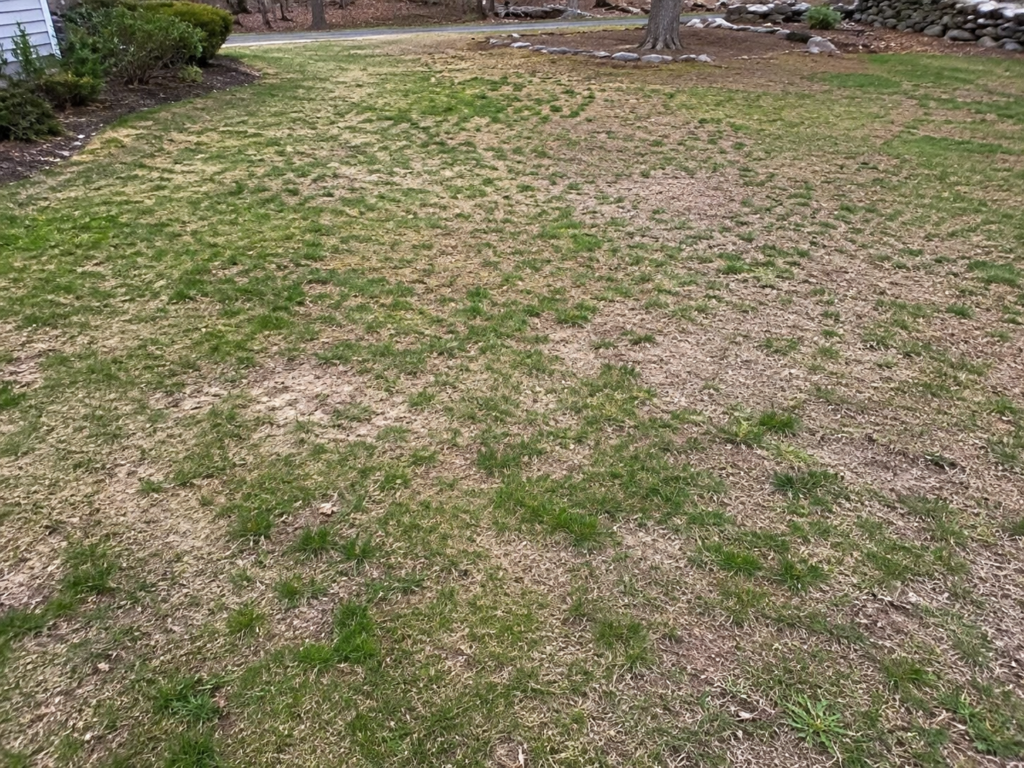
Problem: Thin or Patchy Grass
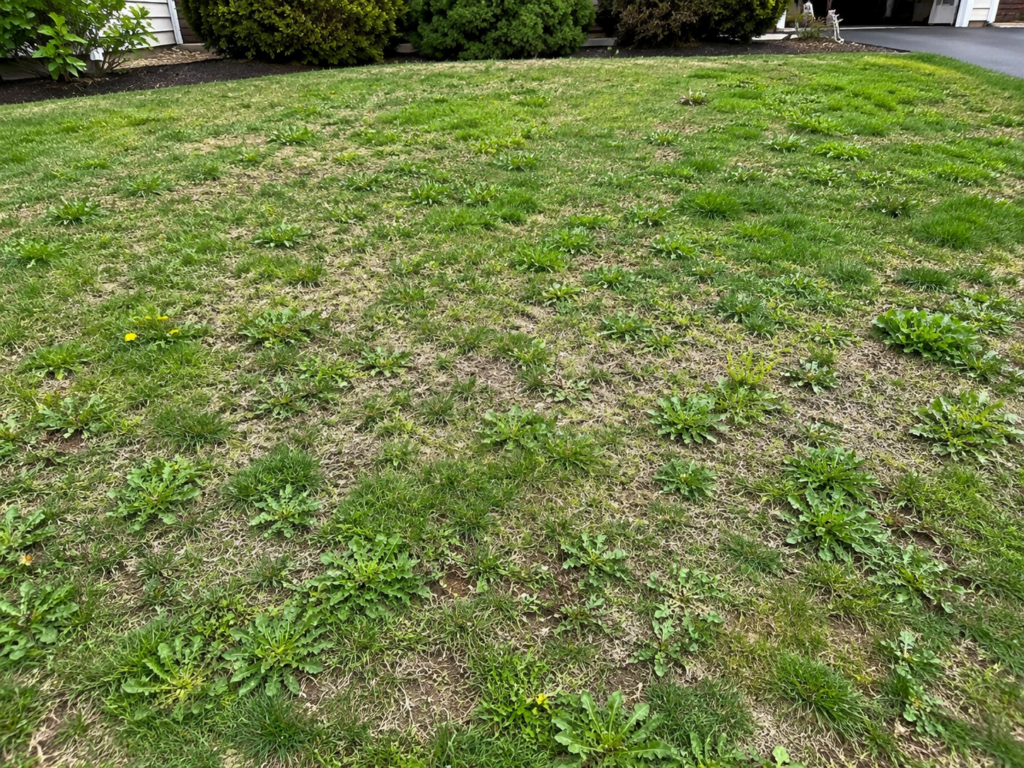
Solution: Late spring is a great time to overseed thin areas and improve lawn thickness. Keep newly seeded areas lightly watered and avoid cutting the grass too short. Aerating compacted soil can also help grass roots grow stronger.

For more seeding information, this “top picks” style article from Better Homes & Gardens reviews their favorite grass seed options.

Problem: Weeds Taking Over the Lawn
Solution: Weeds spread quickly this time of year, especially in weak or thinning lawns. Keeping your grass healthy and mowing regularly can naturally reduce weed growth. Mulching planting beds also helps prevent weeds from taking over garden areas.

Problem: Yellow or Brown Spots in the Lawn
Solution: Overwatering is one of the most common causes of lawn discoloration in New Hampshire summers. Lawns usually do better with deeper watering a few times per week instead of daily watering. It also helps to water early in the morning before the heat of the day.

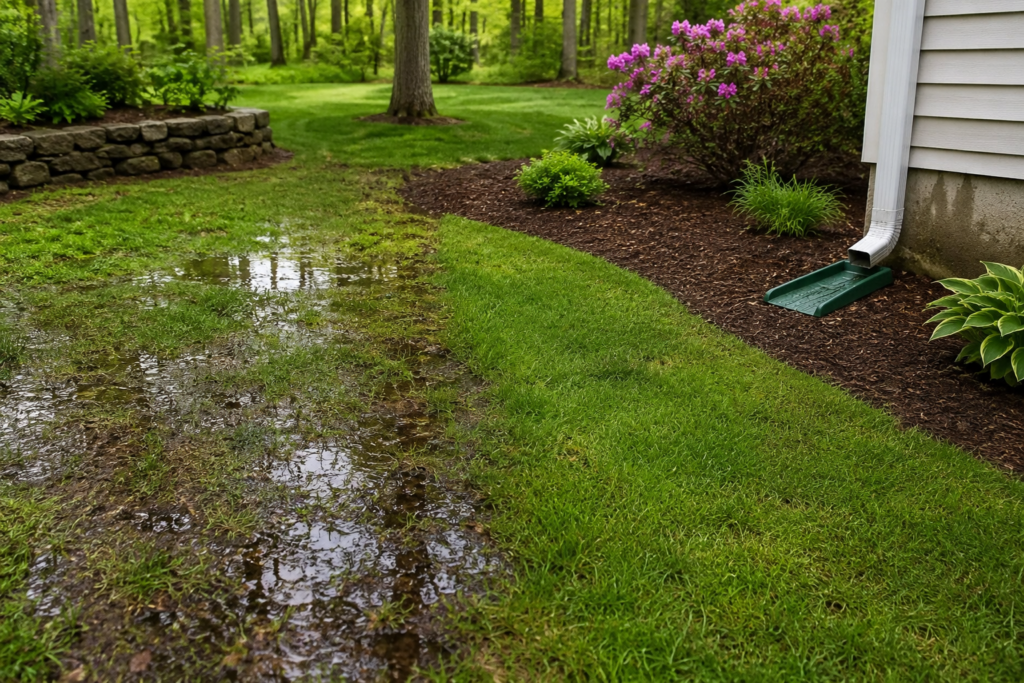
Problem: Soggy Areas and Drainage Problems
Solution: Heavy spring rain can leave certain parts of the yard holding water for days. Try simple fixes, like adjusting downspouts, improving grading, or adding mulch and compost to compacted areas. All of these can improve drainage and help prevent lawn damage.

Problem: Overgrown Shrubs and Messy Beds
Solution: Plants grow fast during late spring, and landscapes can quickly start looking crowded. Light pruning, fresh edging, and a thin layer of mulch can instantly clean up the appearance of a yard. This will also improve curb appeal without major work!

Here’s a helpful video about Easy Pruning Tips for Beginners!

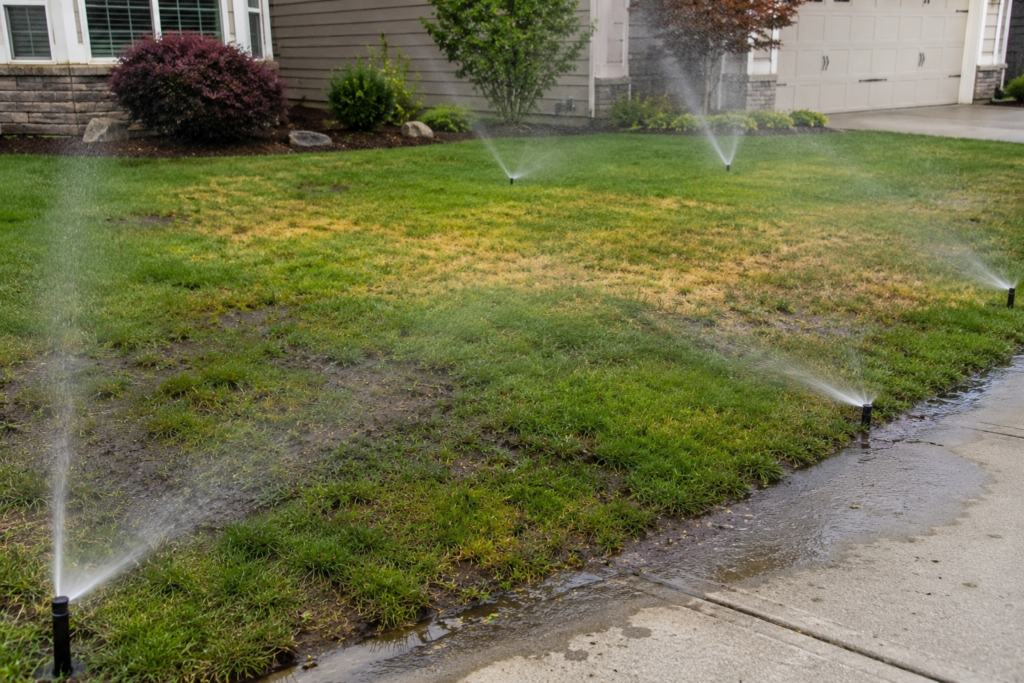
Problem: Sprinkler Heads Spraying Sidewalks Instead of Grass
Solution: Irrigation systems often shift or get damaged during winter. Running each irrigation zone and making small adjustments to sprinkler heads can improve water coverage and reduce waste. Cleaning clogged nozzles can also make a noticeable difference.

Also reference our other posts ALL about Irrigation!


A healthy landscape does not need to be perfect to look great. Most landscaping problems are small and manageable when caught early. We hope these simple fixes will help you keep your yard happy this summer!

22 May 2026

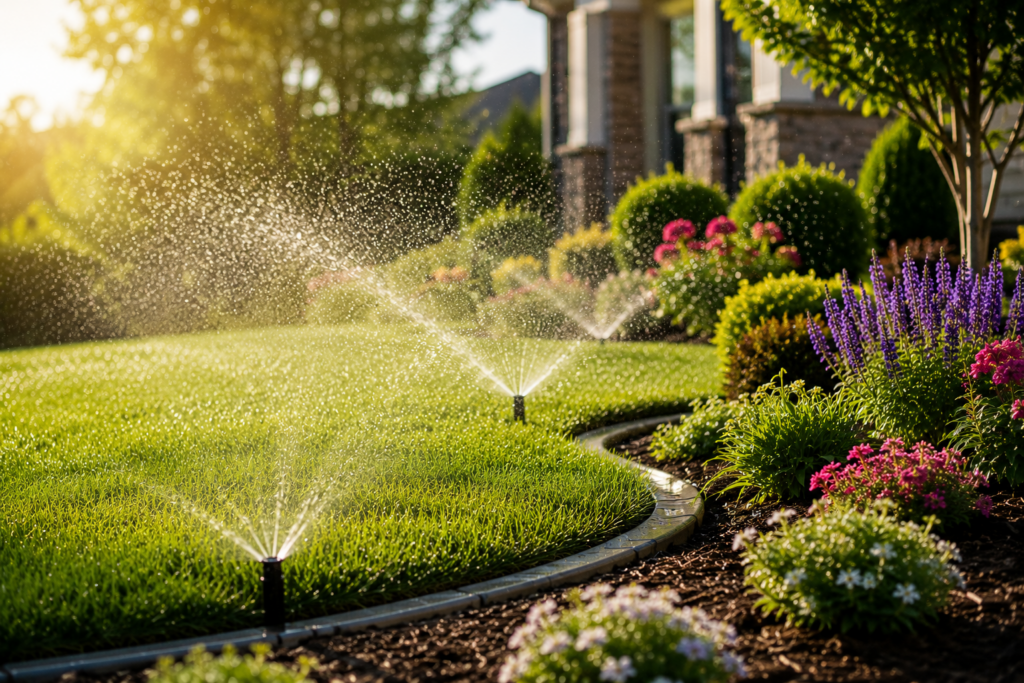
Here’s How to Prepare Your Irrigation System for the Summer!

Getting your irrigation system ready before summer starts is one of the best ways to keep your lawn healthy while avoiding wasted water and expensive repairs. After a long New Hampshire winter, sprinkler systems can develop small leaks, cracked heads, or pressure issues that are easy to miss at first. Taking the time to inspect your system early helps prevent dry spots, overwatering, and higher water bills once the hotter weather arrives. According to the EPA and water conservation studies, as much as 50% of outdoor irrigation water is wasted due to leaks, broken sprinkler heads, overwatering, and poor system maintenance. Let’s avoid these issues!


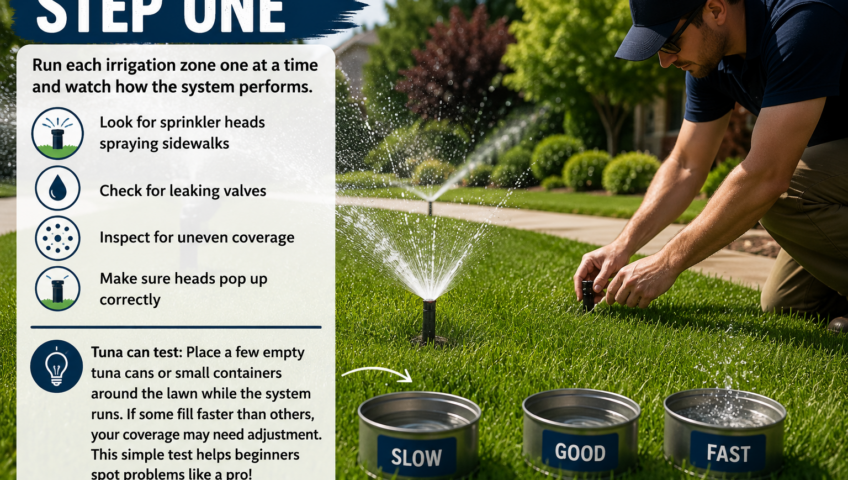
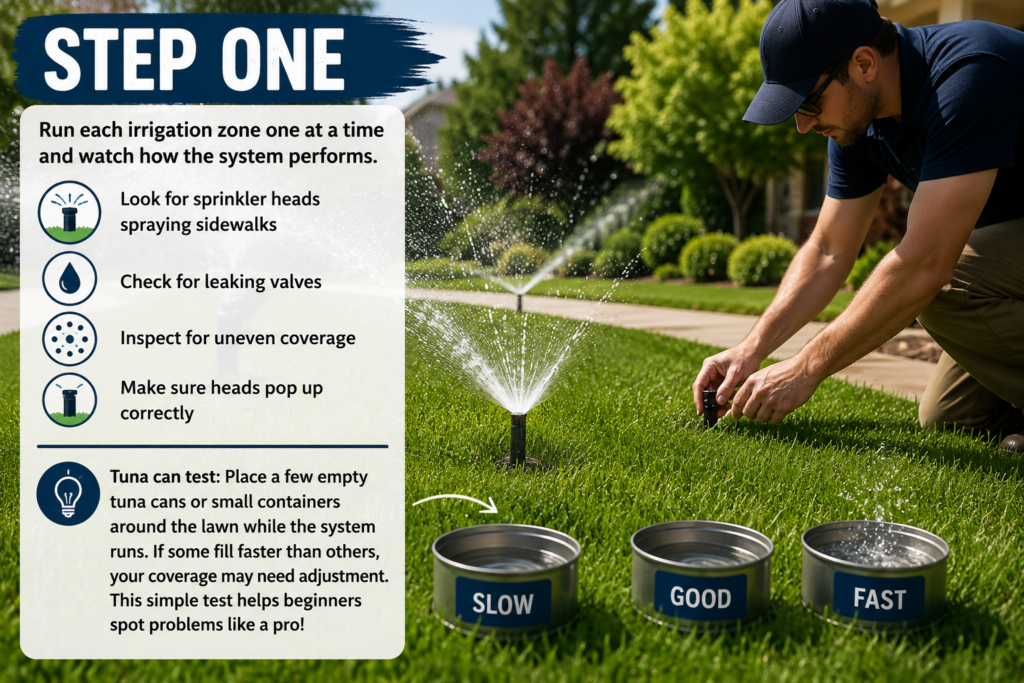
Start by running each irrigation zone one at a time and watching how the system performs. Look for sprinkler heads spraying sidewalks, leaking valves, uneven coverage, or heads that do not pop up correctly. One easy trick is to place a few empty tuna cans or small containers around the lawn while the system runs. If some containers fill much faster than others, your coverage may need adjustment. This simple test helps beginners quickly spot watering problems like a professional.


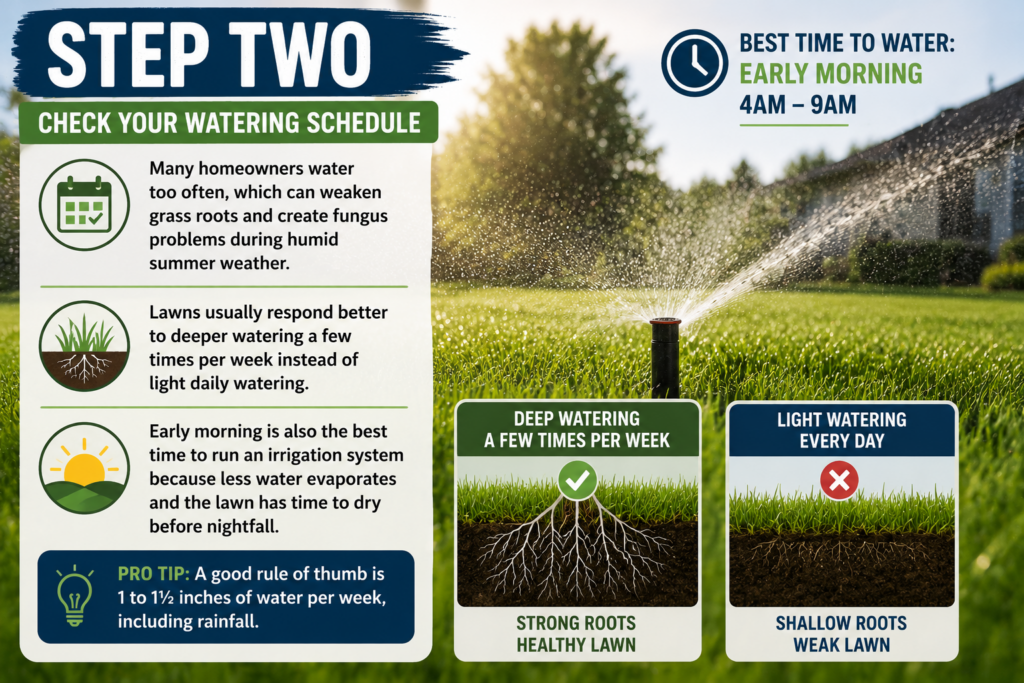
Another important step is checking your watering schedule. Many homeowners water too often, which can weaken grass roots and create fungus problems during humid summer weather. Lawns usually respond better to deeper watering a few times per week instead of light daily watering. In New Hampshire summers, watering at night can actually increase the chance of fungal lawn diseases because moisture sits on the grass blades for hours without drying in the morning sun. Early morning is also the best time to run an irrigation system because less water evaporates and the lawn has time to dry before nightfall.


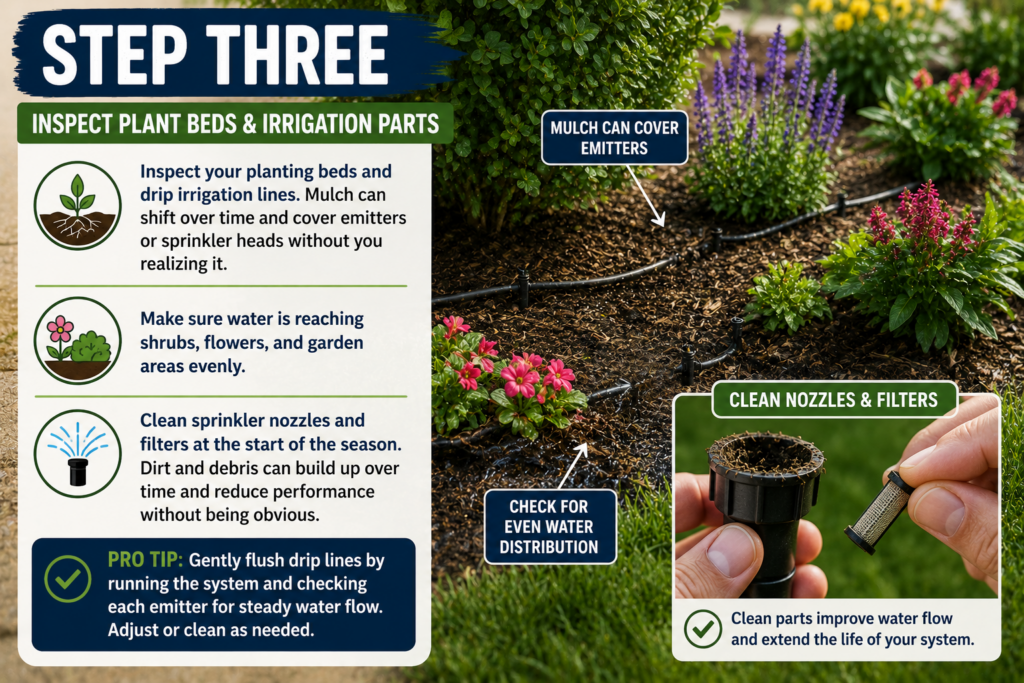
Do not forget to inspect your planting beds and drip irrigation lines as well. Mulch can shift over time and cover emitters or sprinkler heads without homeowners realizing it. Make sure water is reaching shrubs, flowers, and garden areas evenly. A helpful tip is to clean sprinkler nozzles and filters at the start of the season. Dirt and debris can build up over time and reduce performance without being obvious from a distance.


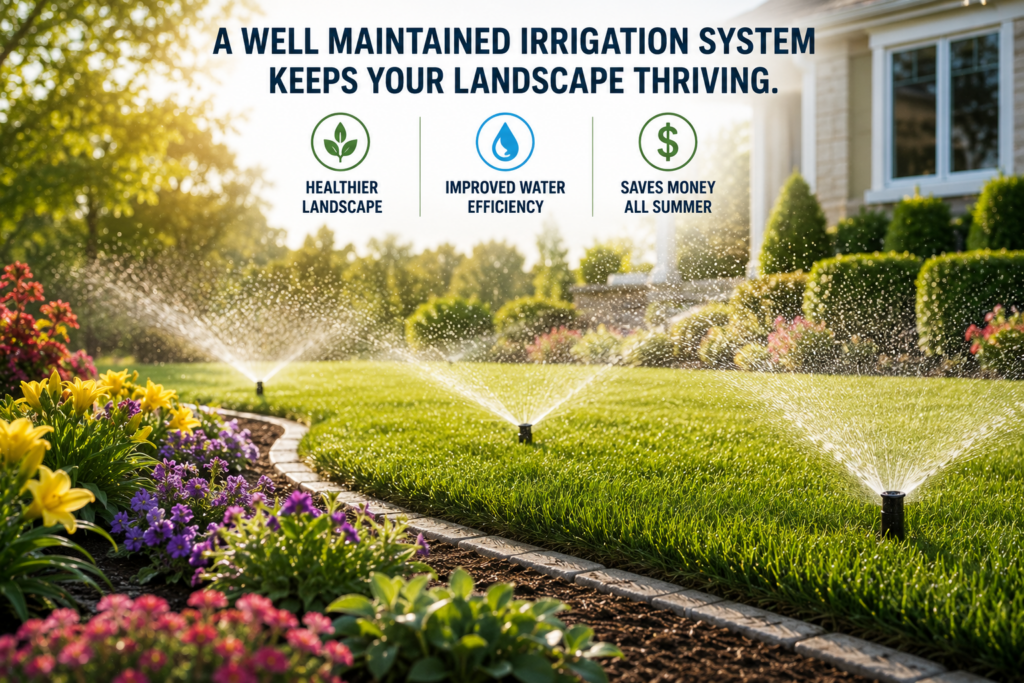
A well maintained irrigation system keeps your landscape healthier, improves water efficiency, and saves money throughout the summer. Most problems are small and easy to fix when caught early. With a simple inspection, a few adjustments, and smarter watering habits, even beginners can keep their irrigation system running like a pro all season long.


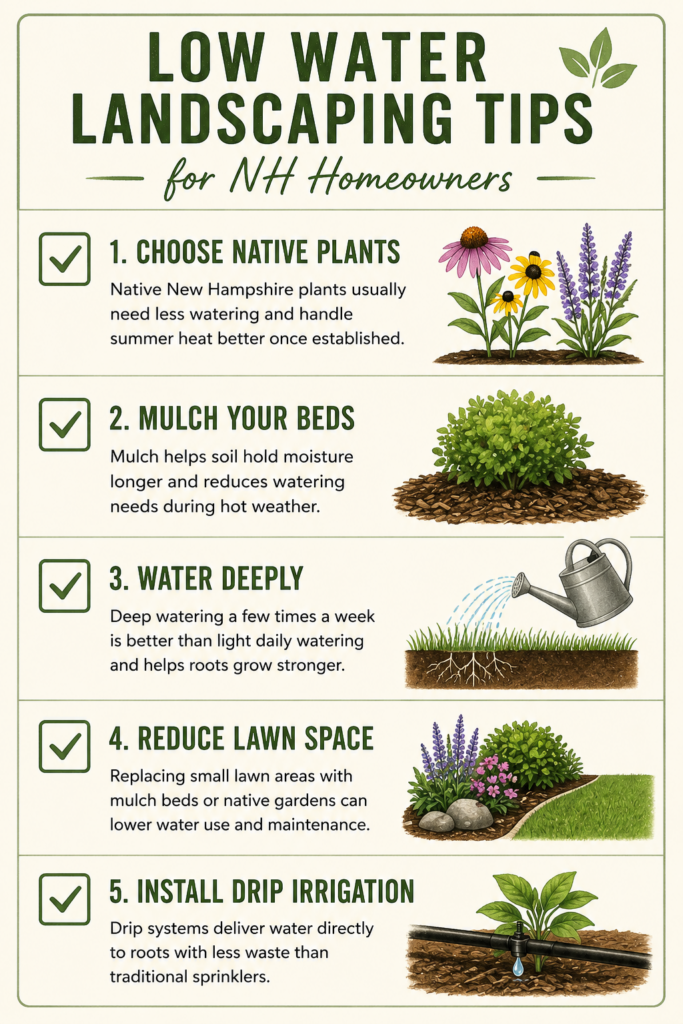
For more information about preparing your yard for the summer, refer to some of our other posts about springtime maintenance! Also, check out these Low Water Landscaping Tips to help optimize both your Irrigation System, and the DIY watering of your Lawn and Garden!